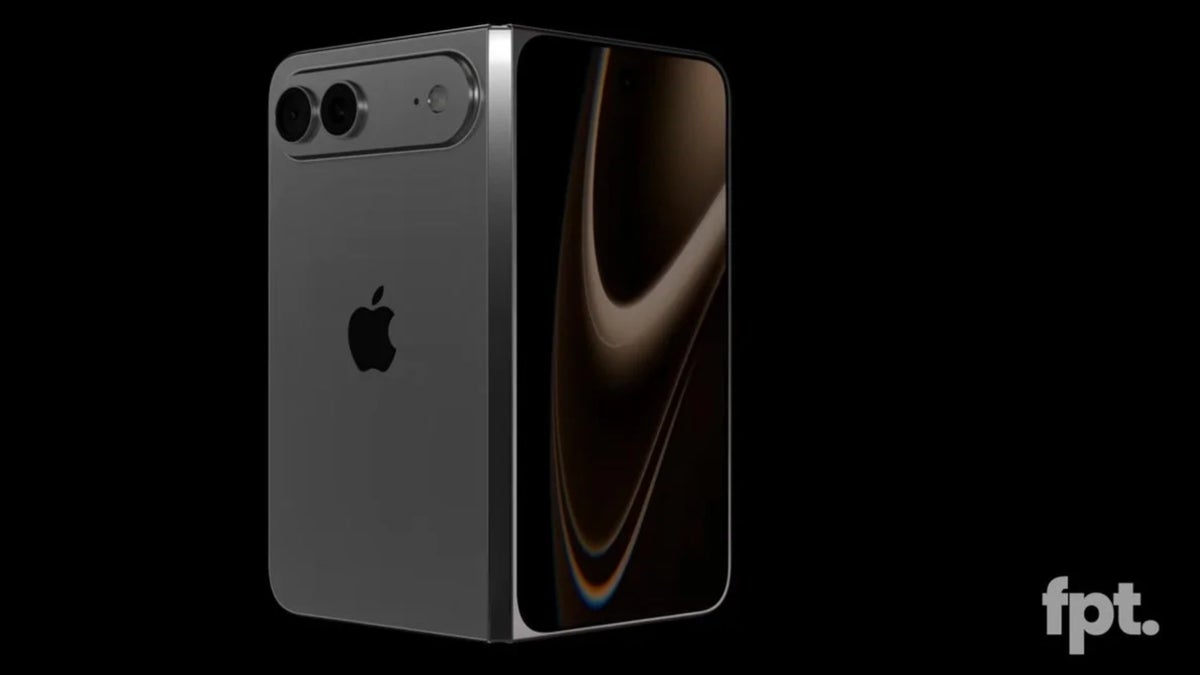
The article argues that the rumored iPhone Fold may include a camera control button, which the author views as unnecessary for a foldable device. The core concern is that Apple should prioritize foldability, display crease reduction, battery life, durability, and iOS optimization over camera-focused features. The piece is opinionated rather than news-driven, so market impact is likely limited.
The market implication is less about the rumored button itself and more about Apple telegraphing that the foldable will debut as a premium hardware-first device, not a camera-led halo product. That matters because the first buyer cohort for a $2k+ foldable is highly tolerant of tradeoffs but extremely intolerant of visible failure modes: hinge wear, crease visibility, battery regression, and app incompatibility. If Apple misses on any one of those, the launch can still sell out on scarcity, but the upgrade cycle into year two likely degrades faster than the Street will model.
This is a subtle negative for suppliers tied to camera differentiation and a modest positive for display, hinge, battery, and advanced assembly vendors. In other words, the value chain should rotate away from image-sensor enthusiasm and toward mechanical reliability and flexible OLED yield; that usually benefits the more operationally disciplined component names, not the spec-sheet winners. The second-order effect is that Apple’s foldable could compress the premium Android foldable market by raising the bar on fit-and-finish, which may force rivals into margin-eroding promotions within 6-12 months of launch.
The contrarian take is that a camera-control button may actually be a signal that Apple is aiming for familiar UX to reduce adoption friction, not because photography is the core use case. If that’s right, the market may be over-penalizing an accessory feature while underpricing the bigger issue: Apple’s ability to ship a durable hinge and crease solution at scale. The real catalyst is not rumor churn; it’s whether early teardown and review data show lower-than-expected failure rates in the first 90 days. That data will determine whether this becomes a prestige category expansion or another niche status product with limited repeat demand.
AI-powered research, real-time alerts, and portfolio analytics for institutional investors.
Request TrialOverall Sentiment
mildly negative
Sentiment Score
-0.12
Ticker Sentiment
