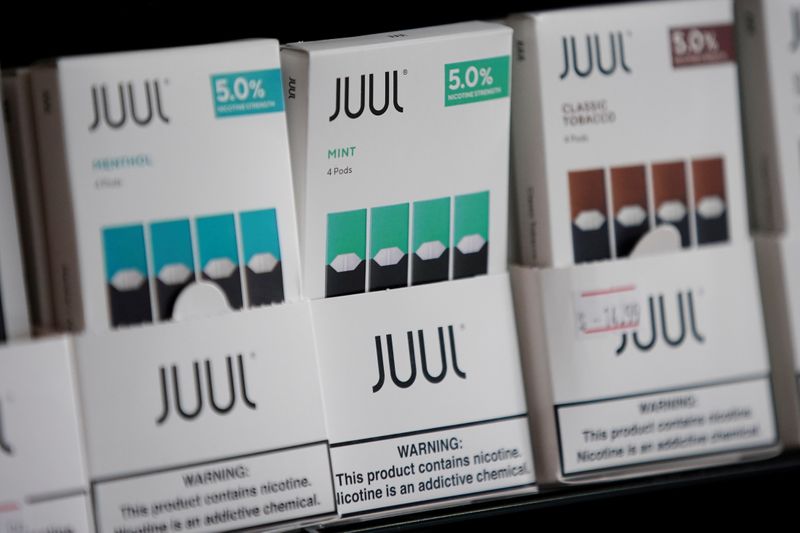
US tobacco volumes remain under pressure, with cigarette volumes down 4.3% to 5.5% year over year and year-to-date volumes off 5.1%, though still better than Barclays’ 7.3% decline estimate. Nicotine pouch sales are the relative bright spot, with 22% value and volume growth year over year, led by ZYN at about $260 million in four-week retail sales. In combustibles, Altria, BAT, and Imperial all posted cigarette volume declines, while e-cigarette sales fell 17% overall and disposable vapor sales dropped 34.7% year over year.
The clearest relative winner is the modern oral nicotine bucket, but the market is still mispricing the speed of share transfer inside that category. ZONE’s early traction is small, yet the key implication is that nicotine pouches are becoming a brand-driven rather than format-driven market: if shelf productivity keeps improving, retailers will rationalize facings toward the fastest-turning SKUs, which tends to compound for the leaders and starve the laggards. That dynamic is more dangerous for smaller pouch brands than for ZYN, but it also raises the bar for everyone else because price competition can re-accelerate once the channel is forced to allocate by velocity.
For MO and BTI, the more important signal is not the headline volume pressure, but the mix of where the decline is occurring. Combustibles are deteriorating while alternative nicotine is not yet fully offsetting the decline, which means earnings quality should remain under pressure even if top-line unit declines look manageable. The second-order effect is on trade spend and promotional intensity: as cigarette shelf space becomes less productive, wholesalers and retailers will demand more support, compressing margins before the volume hit fully shows up in consensus models.
The e-cigarette read-through is bearish for the broad category but potentially bullish for the best-positioned closed-system players over a 6-12 month horizon. Weak disposables can actually improve the industry structure by forcing consumers toward refill and pod ecosystems where switching costs are higher, but that only helps if product cadence and regulatory compliance remain intact. The market is likely underestimating how much of the apparent decline is a channel-cleansing event versus permanent demand loss; if enforcement tightens further, current reported volumes could trough before consumer demand does.
Contrarianly, MO may be less damaged than the tape suggests because a faster than expected share recovery can offset industry contraction in the near term, especially if premium pricing remains resilient. The risk is that this becomes a value trap if share gains are driven by temporary distribution rather than true consumer pull. For BTI, the setup looks weaker because its underperformance suggests it is losing both on volume and on brand momentum, making any recovery more dependent on external stabilization than internal execution.
AI-powered research, real-time alerts, and portfolio analytics for institutional investors.
Request DemoOverall Sentiment
mildly negative
Sentiment Score
-0.20
Ticker Sentiment
