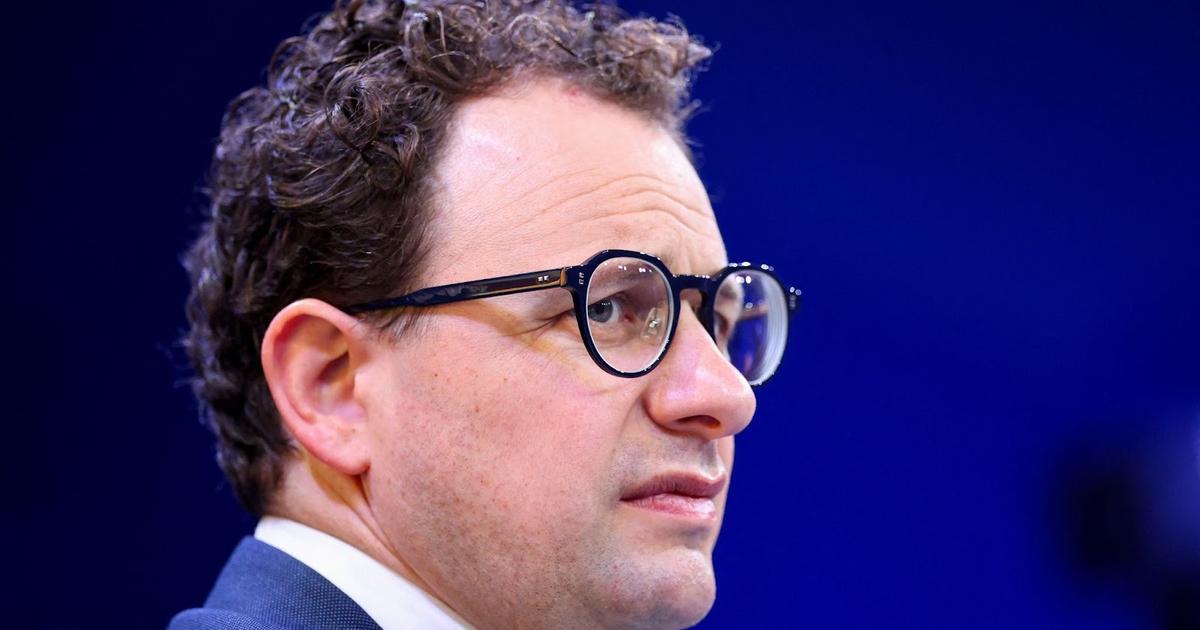
Anthropic safety researcher Mrinank Sharma resigned, warning that rapid AI advances threaten the world and alleging internal pressure to set aside safety priorities, including concerns about bioterrorism. Anthropic CEO Dario Amodei told Davos that AI progress is moving too fast and called for regulation to force industry leaders to slow down; the piece also notes other high-profile departures from AI safety teams, including two members of OpenAI’s Superalignment team in 2024 who cited profit motives over risk mitigation. The developments highlight rising regulatory, reputational and talent-retention risks across the AI sector that could affect development timelines and competitive positioning for investors to monitor.
Market structure: resignations and public safety warnings raise the premium on AI governance, compliance and security products; expect cybersecurity names (Palo Alto Networks PANW, CrowdStrike CRWD, Fortinet FTNT) and defense/biodefense primes (LMT, GD, RTX) to capture incremental budget dollars over the next 3–12 months. Pure-play consumer AI apps and late‑stage startups with high burn are vulnerable to funding repricing and customer churn; funding/demand shock could compress valuations by 20–40% for weakest cohorts. On cross‑assets, equity volatility in tech should rise near-term; safe‑haven bids could lower long‑dated yields modestly (10–30bp) in episodic risk-off, while semiconductor capital equipment demand remains supportive for NVDA but sensitive to regulatory slowdowns.
Risk assessment: tail risks include rapid, prescriptive regulation (EU/US) within 6–18 months that raises compliance costs 5–15% for cloud/AI vendors, or a high‑profile accident triggering investor flight to quality. Immediate (days) impact = headline-driven spikes in implied volatility and share price dispersion; short term (weeks–months) = funding pullback and hiring freezes; long term (1–3 years) = potential slower TAM growth for generative AI decelerating revenue growth by several hundred basis points vs current consensus. Hidden dependencies: talent migration from startups to regulated/government labs and concentration risk in chip supply (NVIDIA) could amplify shocks.
Trade implications: favor long cybersecurity/infra and selective defense exposure, hedge large AI hardware positions with protective options; selectively reduce exposure to high‑burn small caps and unprofitable AI-first software names over 1–6 months. Pair trades (long PANW/CRWD, short ARKK) can capture rotation from speculative innovation to security/regulation winners; implement options (3–9 month call spreads on security names, 3–6 month puts on concentrated AI hardware positions) to manage timing risk. Watch regulatory calendar (Congress hearings, EU AI Act enforcement windows) as 30–180 day catalysts.
Contrarian angles: consensus treats resignations as purely reputational—missed signal is operational: persistent internal safety tensions can slow product launches for market leaders, creating 6–12 month windows for smaller incumbents to gain share. Reaction is underdone for cybersecurity and overdone for hardware if you assume forever‑fast AI progress; history (post‑Dotcom regulatory cycles) shows bouts of restructure create durable winners among incumbents with recurring revenue. Unintended consequence: heavy regulation could concentrate spending on large cloud providers (AMZN, MSFT, GOOGL), benefiting their infrastructure arms even as their AI product roadmaps slow.
AI-powered research, real-time alerts, and portfolio analytics for institutional investors.
Request DemoOverall Sentiment
moderately negative
Sentiment Score
-0.40
