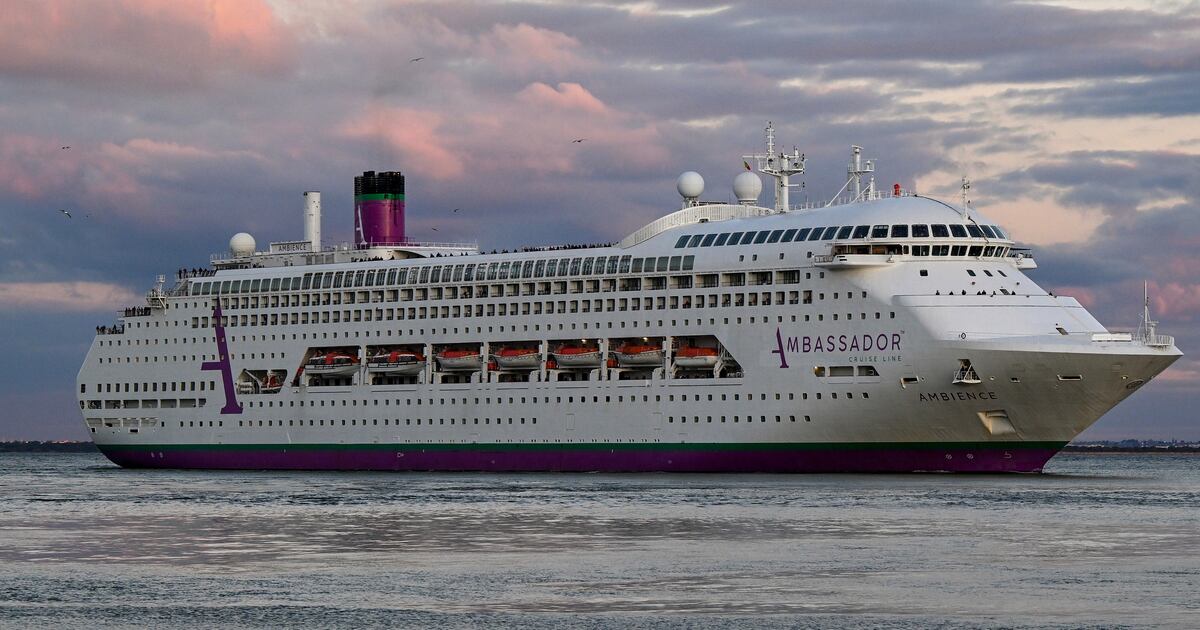
More than 1,700 passengers are being held aboard an Ambassador Cruise Line ship in Bordeaux after a suspected norovirus outbreak, with around 50 reported illness cases and one death involving a 90-year-old British passenger. French authorities have ordered all passengers and crew to remain onboard while laboratory tests determine the cause. The incident adds to recent concern over infectious disease events at sea, though the direct market impact is likely limited.
This is not an isolated hygiene headline; it is a reminder that maritime travel has a high fixed-cost contagion profile and very limited operational flexibility once an outbreak is suspected. The immediate loser is the cruise operator ecosystem, but the second-order damage is broader: ports, excursion partners, onboard concession revenue, and near-term booking conversion all face pressure because even a small outbreak can force itinerary disruption, quarantine costs, and reputational drag that outlasts the medical event itself.
The market usually underprices the duration of the reputational hit. For cruise and leisure travel, one viral incident can depress bookings for multiple sailings, especially in the family and older-demographic cohorts that are most sensitive to perceived onboard health risk. That matters because incremental demand is highly elastic in the next 30-90 days, while fixed operating leverage means even a modest occupancy shortfall can compress margins disproportionately.
The contrarian angle is that the selloff may be sharper than the fundamental earnings impact if this stays contained to a single vessel and does not broaden into a wider port- or fleet-level issue. The real catalyst is not the lab result itself but whether authorities impose stricter screening or sanitation requirements across the sector, which would raise turnaround times and operating costs for days to weeks. If this becomes part of a broader cluster of maritime infections, the narrative shifts from idiosyncratic nuisance to systemic biosecurity risk, which is materially more negative for the sector multiple.
AI-powered research, real-time alerts, and portfolio analytics for institutional investors.
Request DemoOverall Sentiment
moderately negative
Sentiment Score
-0.45
