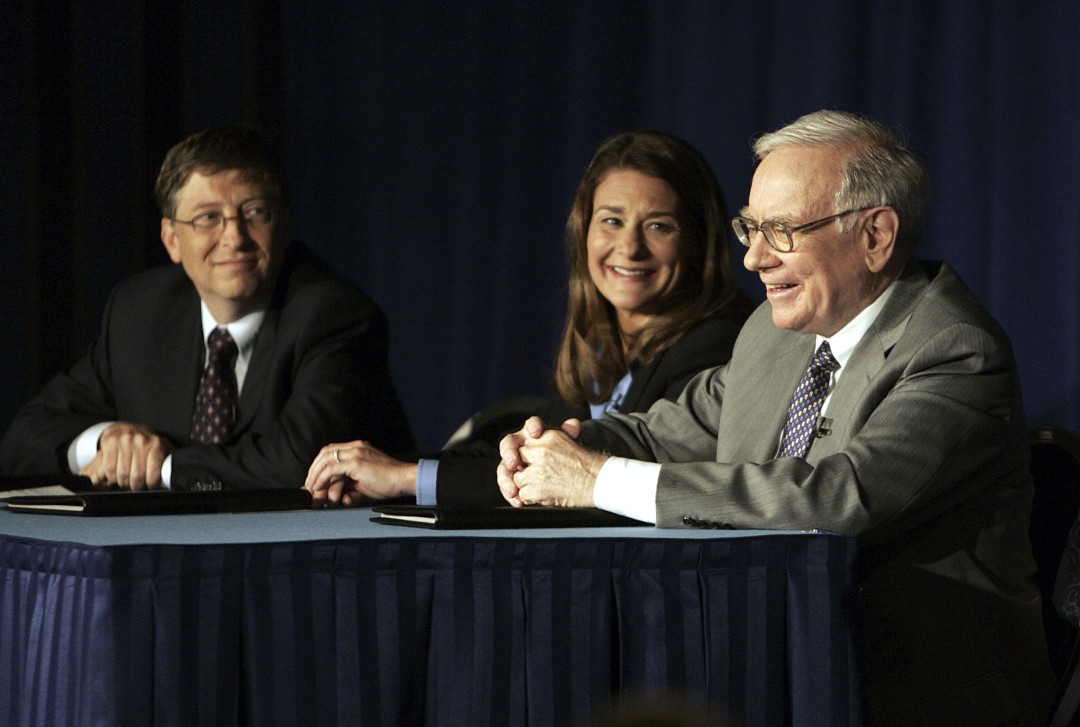
The Giving Pledge, launched in 2010 and now signed by 225+ people, has slowed after 15 years amid pushback from some ultra-wealthy donors. Notable developments: Coinbase CEO Brian Armstrong quietly withdrew in 2024 and Larry Ellison publicly amended his commitment to allow for-profit giving, while Peter Thiel is urging others to unsign. Founders still call the effort successful, but Melinda French Gates and reporting highlight that many signers aren't meeting commitments and the pledge lacks any enforcement mechanism.
Large private-capital managers and custodians are the non-obvious beneficiaries if ultra-high-net-worth allocation tilts from charitable grants toward for-profit vehicles: even a 1% reallocation of global billionaire wealth (order of magnitude mid‑hundreds of billions) into private funds or impact enterprises would meaningfully boost AUM and fee pools for buyout and credit managers over 2–5 years. That reallocating mechanism favors firms that capture ongoing management and carry (private equity, credit, alternatives) and the custodians/administrators who run donor-advised infrastructures; conversely, independent charities and fundraising platforms face structural funding erosion, increasing competition for a narrower pool of large gifts.
Key risks and catalysts are policy and reputational. A legislative push to tighten foundation payout rules or to change deductibility formulas could swing capital back to nonprofits within 12–24 months and compress private-market expectations; conversely, rapid wealth concentration or high-profile success stories from for-profit “philanthropic” exits could accelerate flows over quarters. Market conditions matter: a sustained public-market drawdown or higher-for-longer rates would reduce near-term exit values for private, for‑profit social investments and slow redeployment, creating a 6–18 month timing risk for fee growth realization.
This is an investor story about cash flow capture rather than moral debate — follow the plumbing. Watch incremental AUM disclosures, new impact fund launches marketed to ultra‑wealthy families, and DAF growth metrics from custodians as early indicators. The optimal exposure is selective: own managers with durable fee economics and administrative monopolies while hedging macro and reputational-policy tails that could reverse flows quickly.
AI-powered research, real-time alerts, and portfolio analytics for institutional investors.
Request DemoOverall Sentiment
mildly negative
Sentiment Score
-0.25
Ticker Sentiment
