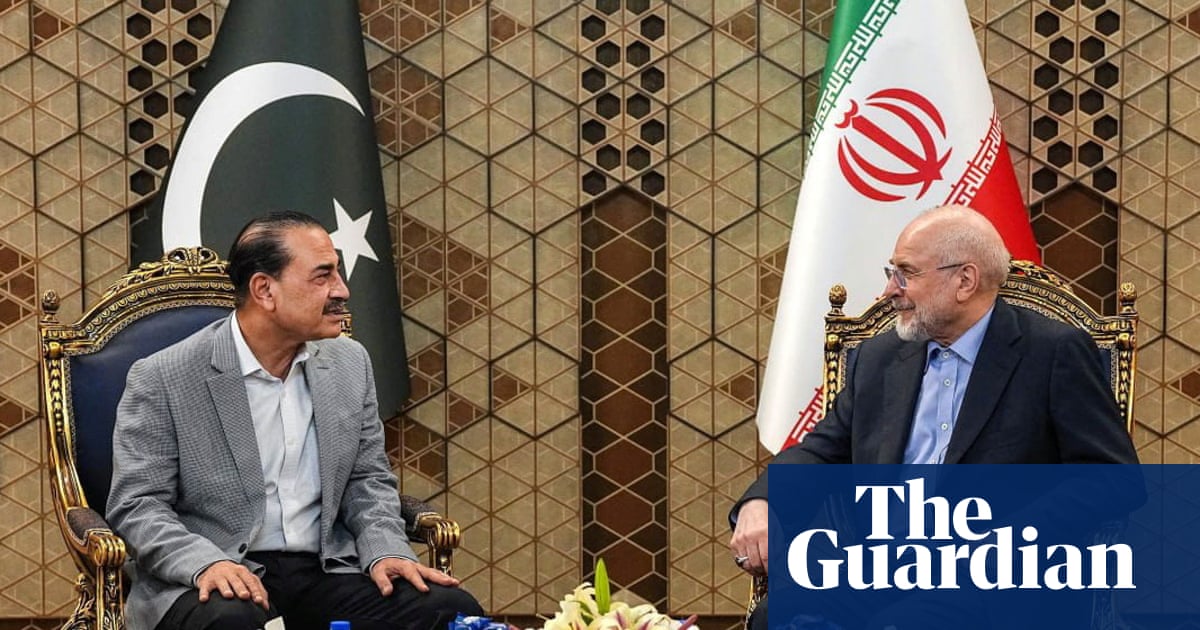
Trump is weighing renewed strikes on Iran, with a decision due by Sunday after meetings with US negotiators and regional mediators; talks are also centered on extending a ceasefire by 60 days. The standoff has heightened risk around the Strait of Hormuz, which carries about 20% of global oil and gas flows, keeping energy markets and regional assets on edge. Reports of possible fresh bombing plans, Iranian warnings of a crushing response, and stalled nuclear talks point to elevated geopolitical and market-wide risk.
The market is underpricing how asymmetric a failed ceasefire extension would be for global risk assets: this is not just a geopolitics headline, it is a supply-chain shock with immediate translation into inflation breakevens, freight, and EM external financing stress. The first-order beneficiary of renewed strikes is not necessarily US defense primes alone; it is any asset tied to hard physical bottlenecks — tanker rates, alternative crude exporters outside the region, and firms with pricing power over energy inputs. The loser set is broader than Middle East equities: Asian importers, low-income consumer baskets, and duration-sensitive equities are all exposed if crude re-risks by even $10-$15/bbl.
The key second-order issue is that the marginal weapon is running lower and the political cost of escalation is rising. That makes the distribution of outcomes fat-tailed: a small chance of a quick diplomatic extension, but a meaningful chance of a larger strike package that fails to achieve a durable deterrent and instead prolongs the closure of the strait. If that happens, the market will likely move from a “headline risk” regime to a “persistent inflation” regime within days, which is materially worse for cyclicals, transports, airlines, and growth multiples.
A contrarian read is that the most obvious trade — long energy beta — may be crowded already, while the cleaner expression is to short assets that embed a smooth disinflation path. The US political backdrop matters: with domestic support for another campaign weak and ammunition constraints real, the administration has incentive to seek a deal even after maximalist rhetoric, which caps the upside in crude unless negotiations fully break down. That argues for paying for convexity rather than outright leverage, because the binary nature of the catalyst makes gap risk dominate carry over the next 72 hours.
AI-powered research, real-time alerts, and portfolio analytics for institutional investors.
Request DemoOverall Sentiment
strongly negative
Sentiment Score
-0.70
