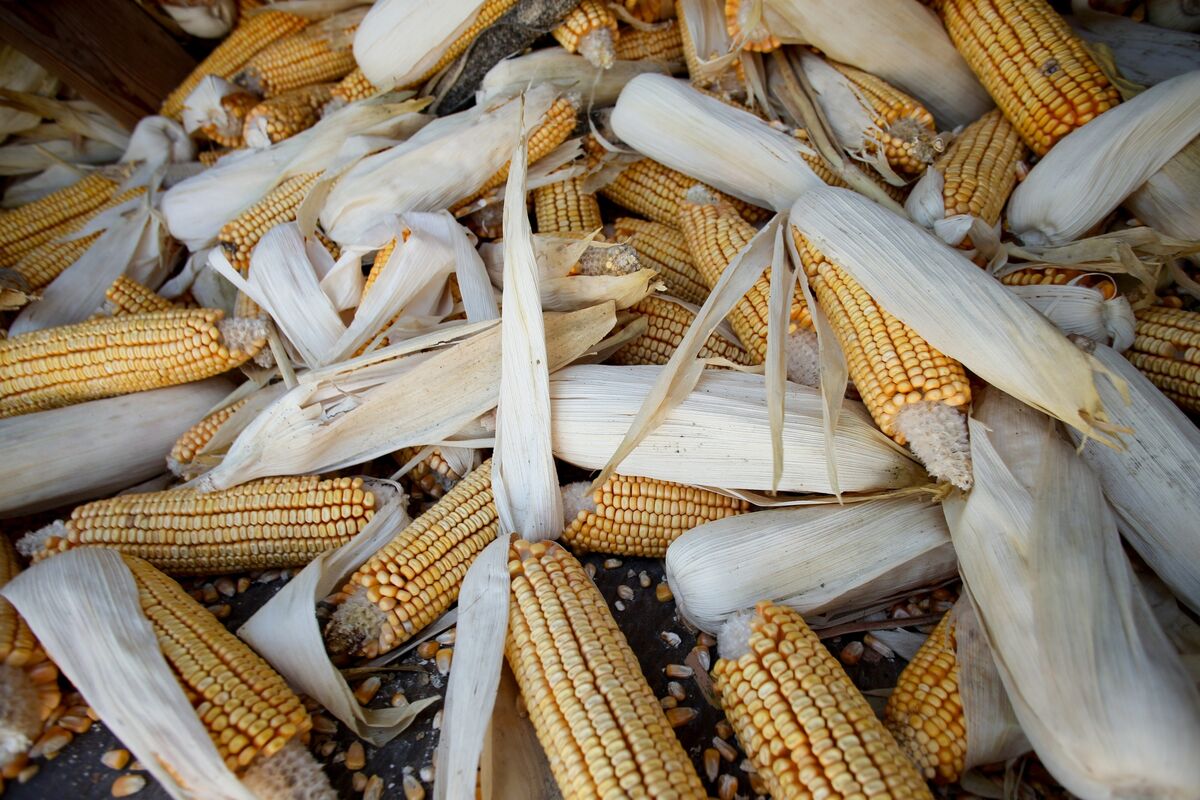
China's decreased demand for US corn is creating opportunities for other Asian nations like South Korea, Japan, and Vietnam to increase their imports of cheaper American corn, impacting the competitive landscape for animal feed and biofuels. This shift is a result of China's diversification strategy initiated due to food security concerns following trade tensions with the US.
China's strategic reduction in US corn imports, a direct consequence of its policy to diversify agricultural supply chains amid food security concerns heightened by past trade tensions with the US, is creating significant shifts in Asian grain markets. This pullback by Beijing has resulted in an increased availability of competitively priced American corn for other nations in the region. Notably, countries such as South Korea, Japan, and Vietnam are capitalizing on this development by increasing their purchases of US corn. Consequently, while the US agricultural sector sees its market share diminish in China, it is simultaneously expanding its footprint in these alternative Asian markets, thereby altering the competitive landscape for corn, a key commodity for animal feed and biofuels.
AI-powered research, real-time alerts, and portfolio analytics for institutional investors.
Request DemoOverall Sentiment
mildly positive
Sentiment Score
0.30
