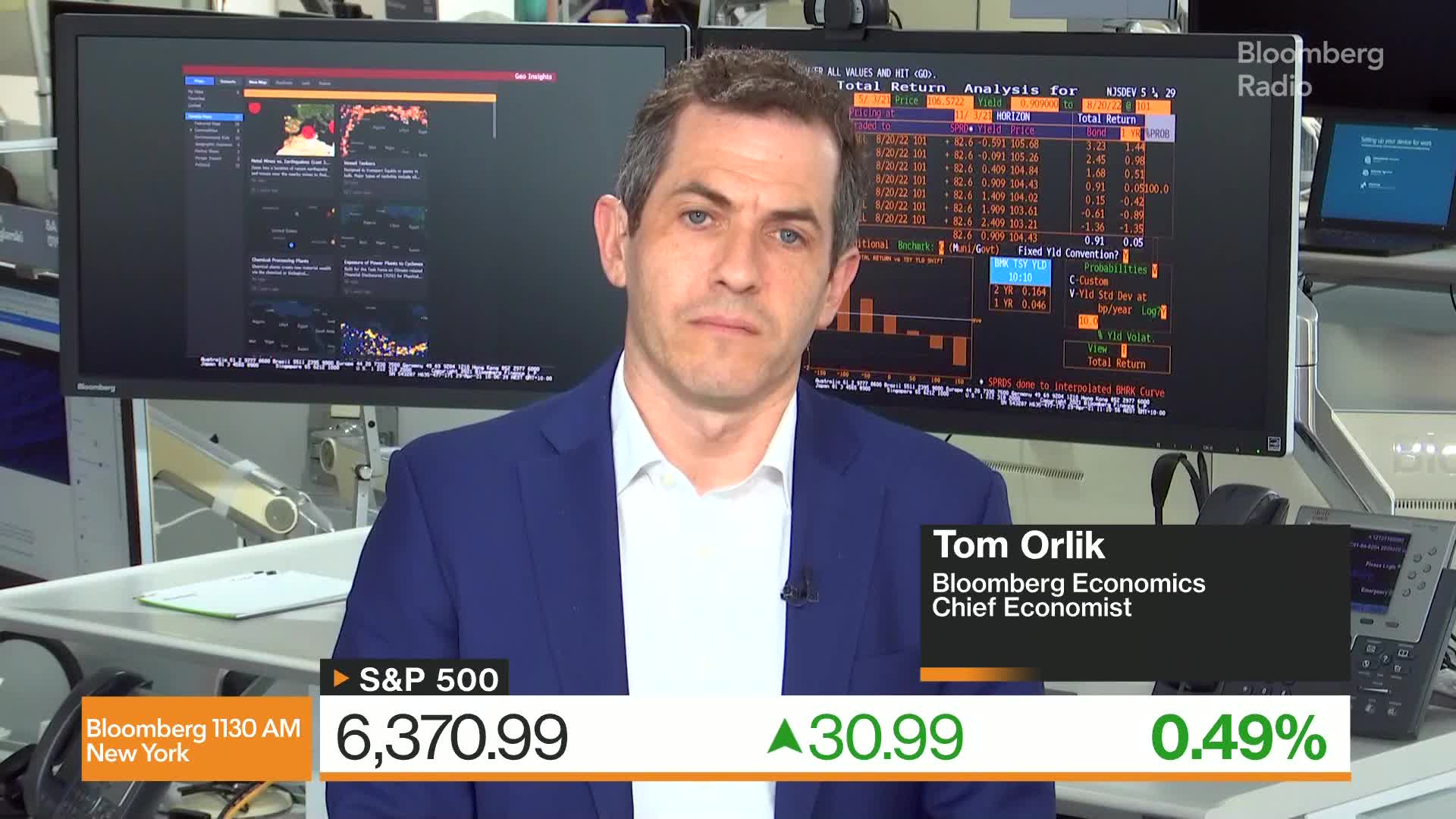
Bloomberg Economics' Tom Orlik projects the 'new normal' for the 10-year Treasury yield to settle around 4.5%, a central thesis detailed in his upcoming book, 'The Price of Money: A Guide to the Past, Present and Future of the Natural Rate of Interest,' co-authored with Jamie Rush and Stephanie Flanders, which analyzes the future trajectory of interest rates and their implications for monetary policy.
A forecast from Bloomberg Economics analyst Tom Orlik posits that the 'new normal' for the 10-year Treasury yield will stabilize around 4.5%. This projection, detailed in the upcoming book 'The Price of Money,' suggests a significant structural shift away from the low-rate environment that characterized the post-2008 financial crisis era. A sustained 4.5% yield implies persistently higher borrowing costs across the economy and indicates an underlying view that the Federal Reserve will maintain a restrictive monetary policy stance for a prolonged period to anchor the natural rate of interest at a higher level. While the provided signals register this as a neutral forecast with a moderate market impact score of 0.45, the insight is crucial for long-term strategic asset allocation, as it challenges the assumptions that have driven portfolio construction for over a decade.
AI-powered research, real-time alerts, and portfolio analytics for institutional investors.
Request DemoOverall Sentiment
neutral
Sentiment Score
0.00
