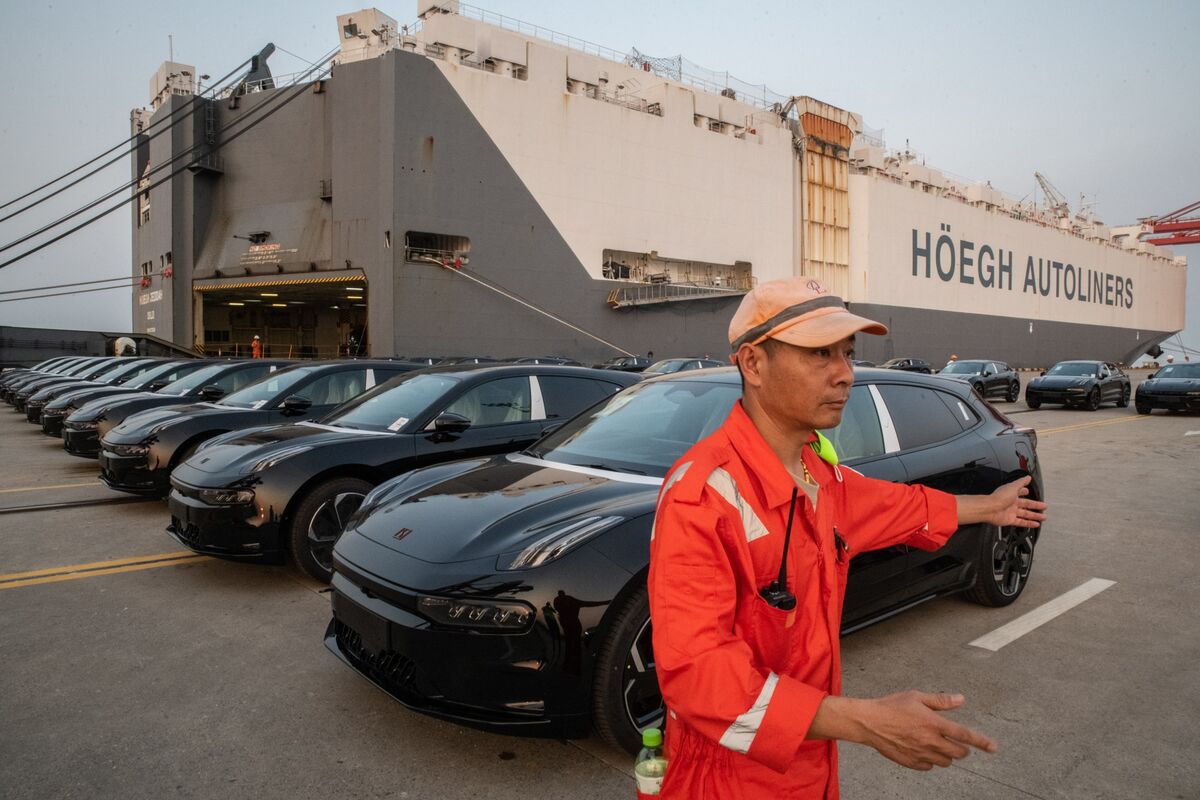
China's Ministry of Commerce will require export permits for electric vehicles starting January 1, 2026, a measure aimed at promoting the "healthy development" of the EV industry and aligning it with existing regulations for other automotive exports. This new requirement signals increased regulatory oversight within the world's largest car market, potentially impacting Chinese EV manufacturers' export strategies and global market competition.
China's introduction of a mandatory export permit system for electric vehicles, effective January 1, 2026, signals a significant tightening of regulatory oversight in the world's largest automotive market. The Ministry of Commerce frames this as a measure to promote "healthy development," aligning the EV sector with existing rules for other vehicles and suggesting a move towards more managed and standardized export practices. While the policy provides a long lead time for automakers to adapt, it introduces a new administrative hurdle and a potential non-tariff barrier. This move could be interpreted as an effort to manage the pace of export growth, ensure quality standards, and potentially mitigate international trade frictions arising from the rapid expansion of Chinese EV brands abroad. The mildly negative market sentiment reflects the uncertainty and potential for administrative friction this new requirement creates for Chinese EV manufacturers who are increasingly reliant on overseas markets for growth.
AI-powered research, real-time alerts, and portfolio analytics for institutional investors.
Request DemoOverall Sentiment
mildly negative
Sentiment Score
-0.20
