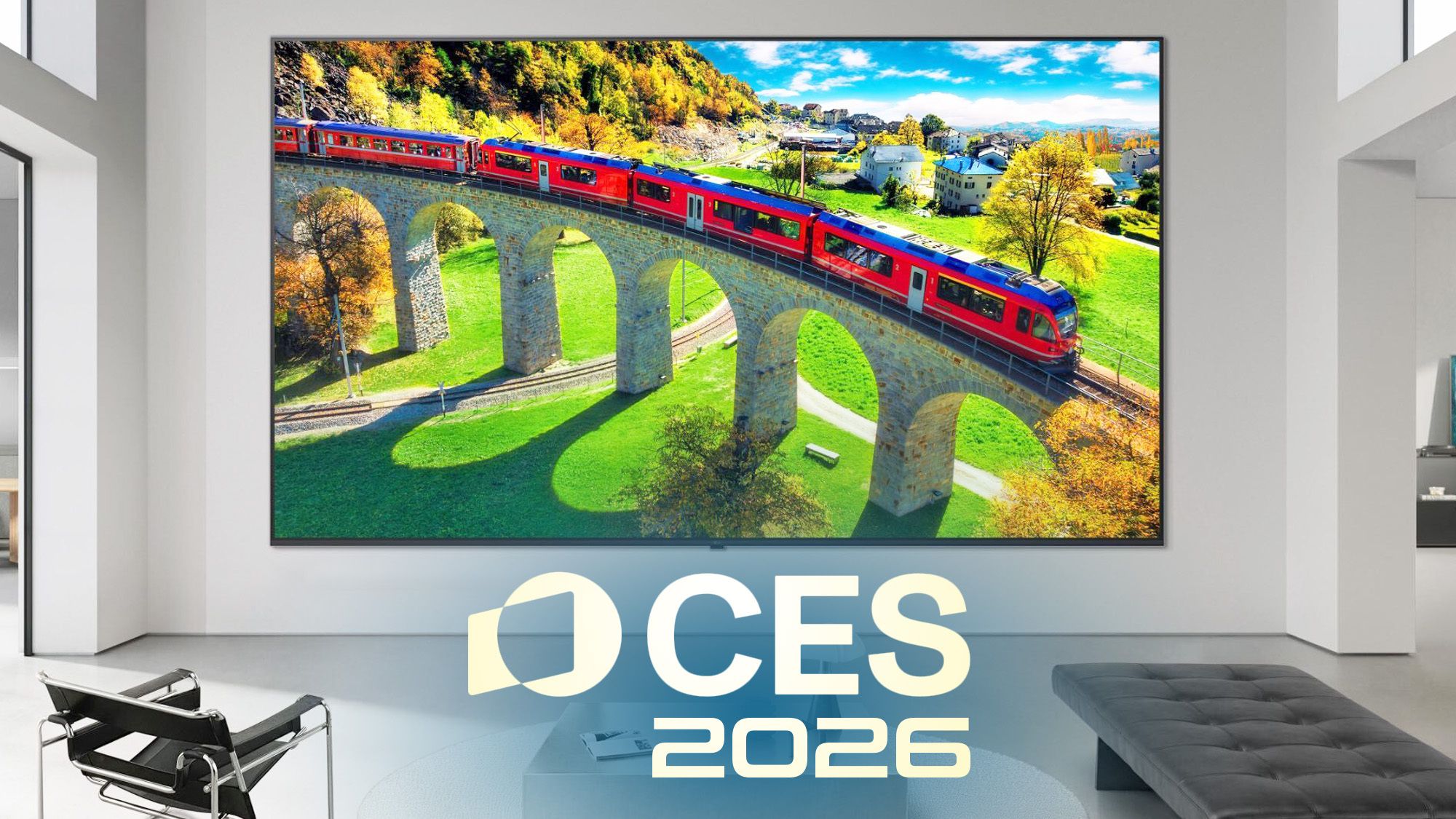
Major TV manufacturers (LG, Samsung, Hisense, Sony and likely TCL) are rolling out 'Micro RGB' / RGB Mini‑LED display technologies ahead of CES 2026, with LG and Samsung touting sub‑100μm RGB LEDs and Hisense pushing a value‑priced RGB Mini‑LED variant after introducing a 116UX TriChroma model at CES 2025. The technology is positioned as a step up from Mini‑LED—offering higher color volume and brightness than OLED at potentially lower costs than Micro LED—and could intensify competition on pricing and product differentiation across the TV supply chain, with implications for market share and margin dynamics in the consumer display segment.
Market structure: First-movers and panel+LED supply-chain incumbents (Sony: SONY, Samsung Electronics 005930.KS/SSNLF, LG Electronics 066570.KS) gain pricing power for premium “true color” SKUs; lower-tier LCD/OLED suppliers and pure white Mini‑LED assemblers face margin compression. Near-term (0–12 months) ASPs should be 10–30% above current premium LED TVs because sub‑100µm LED capacity is constrained, supporting supplier gross-margin expansion. Retail pricing and 2026 shipment guidance will be the clearest demand signal.
Risk assessment: Tail risks include failed yields, IP litigation, or a materials shortage (GaN/sapphire) that could delay volume by 6–18 months; regulatory export controls on advanced LED fabs are a low‑probability/high‑impact macro risk. Immediate volatility will cluster around CES (Jan 6–10, 2026) and Q1 retail order updates; longer-term adoption (12–36 months) depends on price parity vs OLED and content ecosystem support. Watch supplier concentration (few fabs) as a single-point-of-failure.
Trade implications: Favor concentrated, time‑boxed longs in leaders and key component suppliers ahead of CES with defined risk limits: buy SONY and Samsung exposure and selective LED chipmakers (e.g., Seoul Semiconductor 046890.KS or scalable GaN suppliers). Hedge with small short/write protection on OLED-material leader Universal Display (OLED) or use put spreads to cap cost. Use calendar/vertical call spreads around CES to exploit event-driven IV spikes and avoid outright delta exposure.
Contrarian angles: Market underestimates that Hisense/Chinese low‑cost entrants can force a price collapse within 12–18 months — meaning early winners could see 20–40% margin erosion if supply scales too fast. Conversely, if yields are tough, component suppliers’ revenues could re-rate +30% as scarcity premium persists. Historical parallel: Mini‑LED 2019–22 saw rapid re-pricing followed by mean reversion; position sizing must assume a similar 30–40% drawdown tail before durable adoption.
AI-powered research, real-time alerts, and portfolio analytics for institutional investors.
Request DemoOverall Sentiment
moderately positive
Sentiment Score
0.45
Ticker Sentiment
