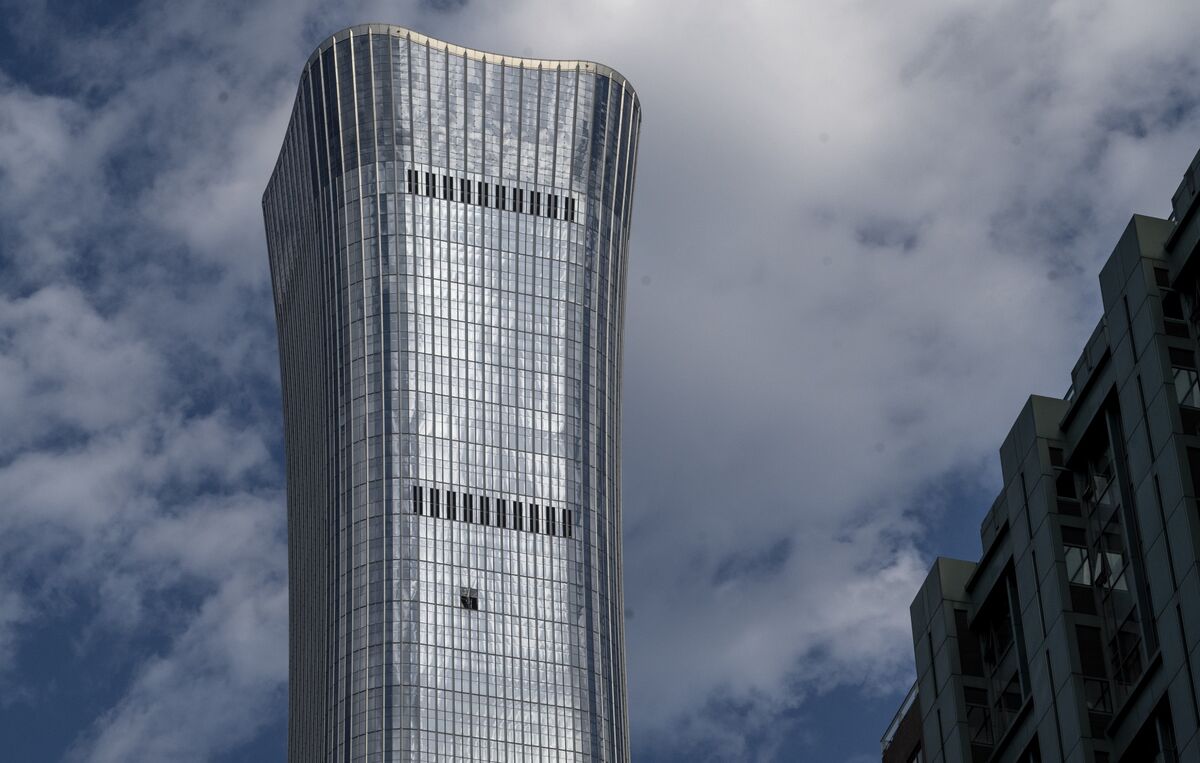
A plane crash in Beijing has grounded China’s flying-taxi/low-altitude eVTOL ambitions, reported as occurring at or near the city’s tallest building. The incident is framed as a near-term headwind for the “low-altitude economy,” likely raising safety and regulatory concerns for the sector. While no financial figures are provided, the development adds cautious pressure on sentiment and investment positioning for flying-car operators.
This is mainly a multiple-risk event, not an immediate earnings event. EH and any China low-altitude economy names are priced on regulatory inevitability, so even an isolated safety headline can widen the discount rate investors apply to future certifications, municipal pilot programs, and insurance availability. The market will likely punish the ecosystem first and the actual P&L later.
Second-order effects matter more than the OEM itself. Vertiport builders, battery/avionics suppliers, and local government-backed demo projects can see procurement delays if officials decide to slow-roll approvals pending safety reviews, which would push commercialization out by 2-4 quarters. That also favors conventional helicopters and established aerospace platforms over pure-play eVTOLs, because buyers under scrutiny usually migrate to the least controversial operating model.
The contrarian read is that the selloff may be overdone if Beijing treats this as a one-off and keeps the strategic low-altitude policy intact. The key question over the next 2-6 weeks is whether regulators issue a broad review or merely a localized incident report; that decision will tell you whether this is a one-day sentiment shock or a 6-18 month reset to adoption timelines. The thesis is falsified if certification, pilot rollout, and municipal tender activity continue unchanged through the next policy cycle.
AI-powered research, real-time alerts, and portfolio analytics for institutional investors.
Request DemoOverall Sentiment
mildly negative
Sentiment Score
-0.35
Ticker Sentiment
