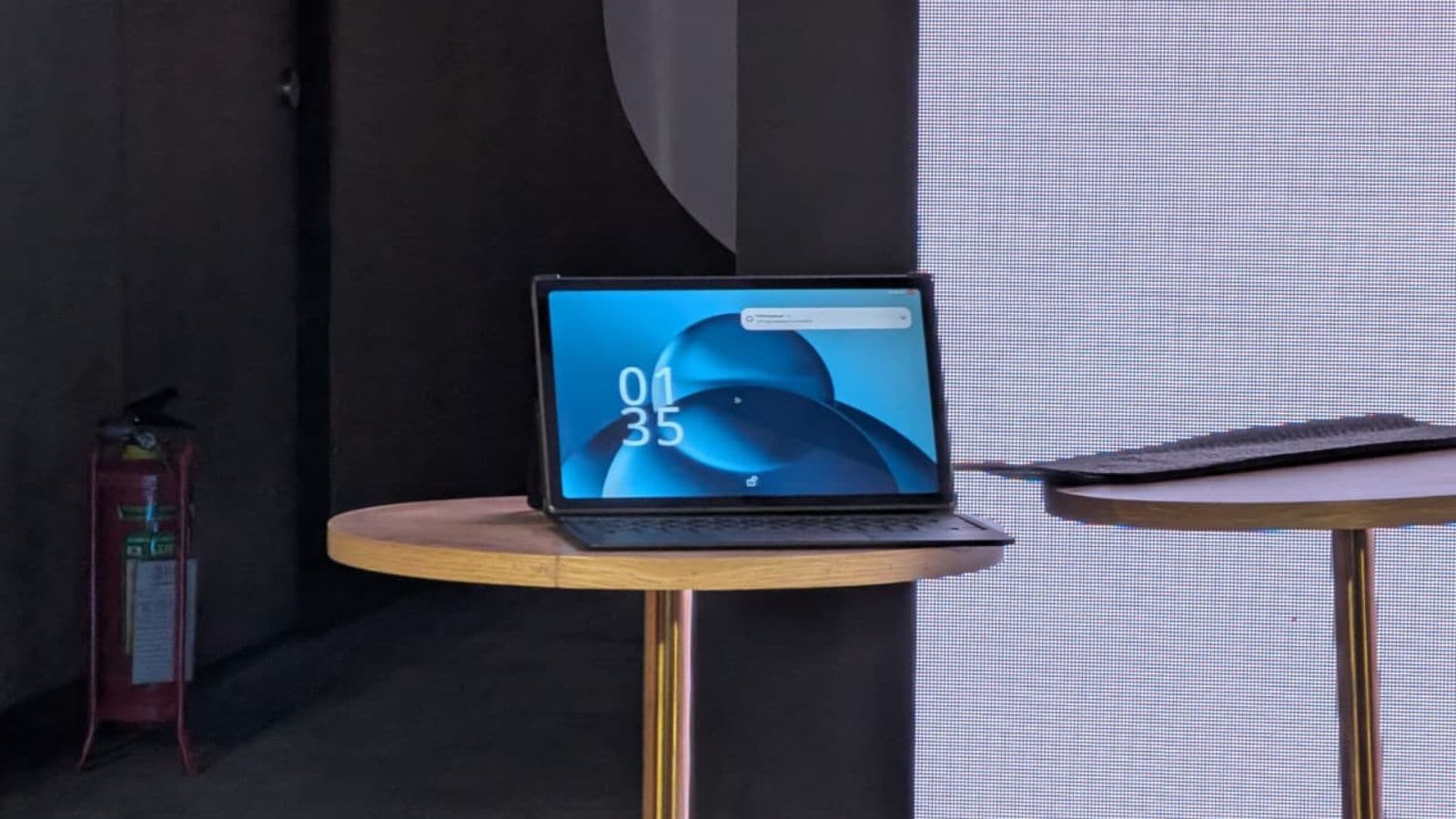
HP is re-entering the tablet market with the OmniPad 12, priced at Rs 48,999 and launching in India first from June. The device targets students, first-time buyers, and mobile professionals, featuring a 12-inch display, detachable keyboard, Snapdragon chip, Android, and up to 18 hours of battery life. The move is strategically positive for HP but likely to have limited near-term market impact, given intense competition from Apple, Samsung, Lenovo, and Xiaomi.
HP’s tablet reboot is less about taking share from Apple outright and more about re-entering a fragmented value tier where brand trust, channel access, and bundled productivity matter more than pure hardware prestige. The first-order beneficiary is HPQ if this becomes a cross-sell engine into PCs, printers, and services; the second-order risk is that the device is priced into a narrow band where gross margins are thin and any component inflation quickly destroys the P&L contribution. India-first launch also matters strategically: it is a low-cost signal on product-market fit in a market where adoption curves can be fast enough to validate a global rollout within 2-3 quarters.
The key competitive pressure is not Apple so much as the Android OEM stack. If HP gets even modest traction, it will siphon premium share from Samsung and Lenovo in a market where distribution and retail placement are decisive; if it fails, it confirms that tablets remain a software/ecosystem game and that PC brands struggle to convert credibility into consumer preference. For GOOGL, the incremental upside is real but limited: every new Android tablet SKU strengthens the installed base, but the monetization comes only if HP actually ships meaningful units and keeps the device in use beyond the initial education/presentation cycle.
The underappreciated risk is memory inflation. If AI-driven DRAM/NAND tightness persists, late entrants like HP are disproportionately exposed because they lack Apple’s scale, purchasing power, and pricing leverage; that can turn a strategic launch into a margin trap within 1-2 quarters. Contrarian view: the market may be underestimating how much a familiar brand plus detachable keyboard can resonate in emerging markets where buyers want a laptop-lite device, not a pure tablet. But if HP cannot secure channel density and sub-competitive BOM economics, this remains a headline-positive, earnings-neutral story.
AI-powered research, real-time alerts, and portfolio analytics for institutional investors.
Request DemoOverall Sentiment
mildly positive
Sentiment Score
0.20
Ticker Sentiment
