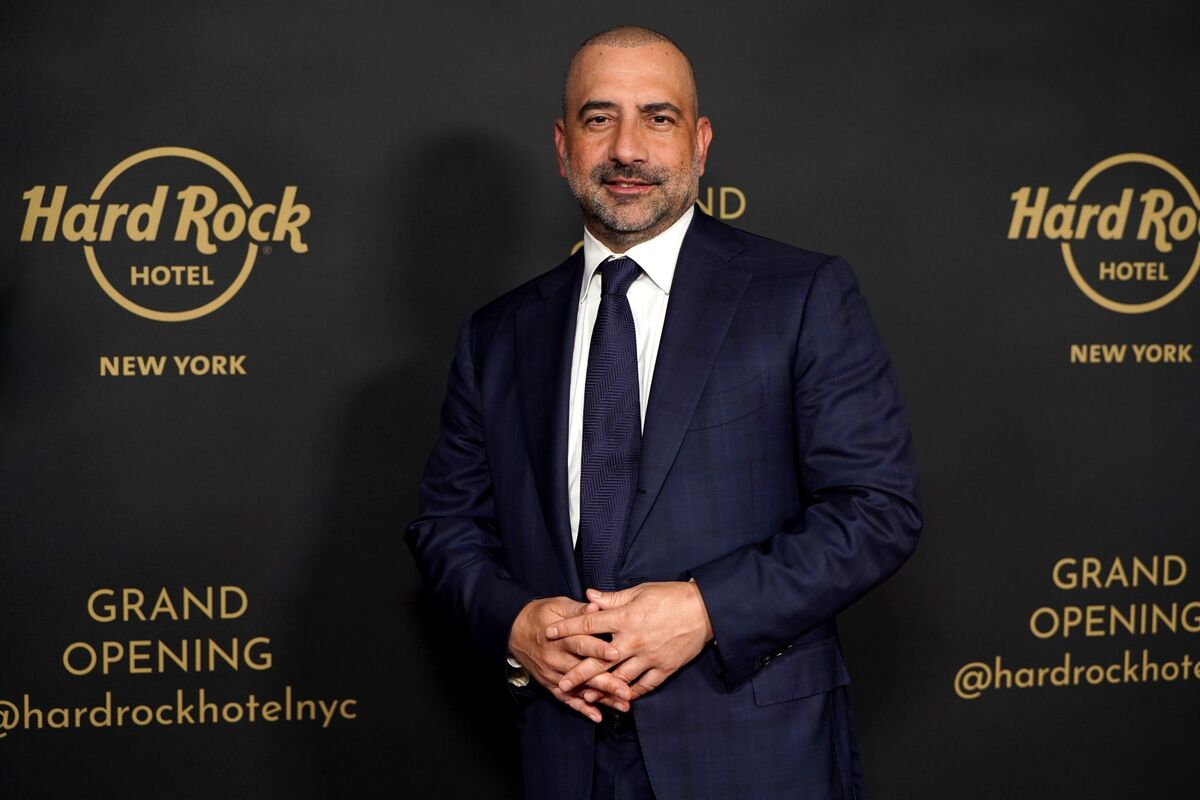
Federal prosecutors in Brooklyn have charged Frank Carone, former chief of staff to Mayor Eric Adams, his brother and two others in an alleged bribery scheme. The probe centers on Carone’s business dealings, his time inside City Hall, and subpoenas to consulting clients including real estate industry participants. The development is politically and reputationally negative, but likely limited in direct market impact.
This is less a single-person headline than a signal that the enforcement aperture is widening from elected officials into the ecosystem around them. The second-order risk is to firms that monetize access, especially in New York real estate and adjacent lobbying/consulting channels, where counterparties will now discount any revenue stream that depends on political proximity. That should pressure deal flow for smaller advisory shops first, then ripple into broader sentiment for NYC-facing developers and service providers if subpoenas expand.
The near-term market effect is mostly a governance discount rather than direct earnings damage: the probability of contract delays, compliance reviews, and partner repricing rises immediately, but the P&L impact typically shows up over quarters as slower closings and higher friction costs. The bigger risk is not the arrest itself, but discovery churn—if prosecutors map a wider network of clients, any entity with City Hall exposure could face reputational contagion even absent charges. That creates a skewed setup where the downside is more persistent than the news flow.
Consensus may be overestimating the event as purely idiosyncratic. In practice, politically exposed real estate activity tends to see a temporary freeze in new mandates and a selective re-underwriting of existing relationships, which can benefit larger, better-capitalized institutions with stronger compliance infrastructure. If the probe broadens or overlaps with other municipal investigations, expect a measurable slowing in New York transaction velocity over the next 1-3 months; if not, the impact should fade after the initial headlines, but the governance premium may remain elevated into year-end.
AI-powered research, real-time alerts, and portfolio analytics for institutional investors.
Request DemoOverall Sentiment
strongly negative
Sentiment Score
-0.55
