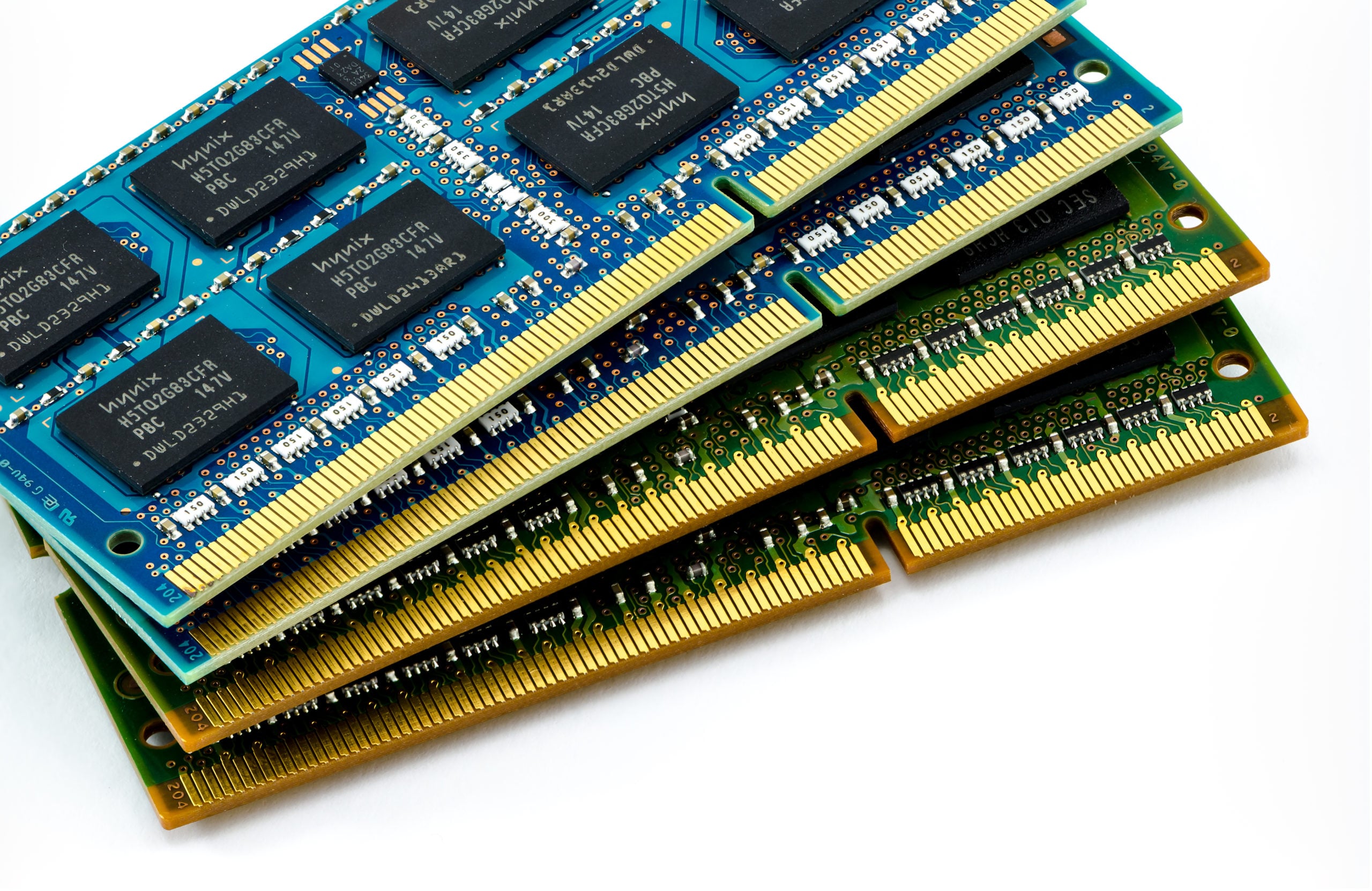
The article highlights AI-driven memory shortages that have pushed DRAM prices higher since last year, with vendor quotes fluctuating and some broadband expansion delays tied to chip availability. It also describes a YouTuber successfully fabricating functional DIY DRAM cells in a backyard cleanroom, but at only a 5x4 array scale with 4 ms retention versus more than 64 ms in commercial RAM. The piece is mostly illustrative rather than financially material, though it reinforces ongoing supply-chain pressure in memory markets.
The key market signal is not the backyard experiment itself; it’s the evidence that memory scarcity has moved from a cyclical pricing issue to a behavioral one. When end users start improvising around supply, it usually means procurement elasticity is broken and spot pricing power can persist longer than consensus expects. That favors the incumbents with the tightest capacity discipline and the lowest marginal cost curves, while punishing any downstream hardware OEM with limited pricing power and long bill-of-materials exposure.
For MSFT, the near-term read-through is mildly negative because every incremental AI workload still drags on memory-intense infrastructure economics before software efficiency gains arrive. The second-order offset is that hyperscalers with scale can absorb volatility better than PC or consumer-device vendors, so this is less about demand destruction and more about margin compression and capex reprioritization. If memory prices stay elevated for another 2-3 quarters, expect a broader slowdown in peripheral server builds, DDR-adjacent component orders, and consumer upgrade cycles.
The contrarian point: the market may be overestimating how quickly AI-driven demand translates into permanent shortage. There is a real chance that model and system optimizations reduce bytes-per-token and memory-per-workload faster than new capacity comes online, which would cap the upside in memory names after a sharp run. But until there is evidence of inventory normalization, the path of least resistance is still higher for suppliers and lower for exposed OEMs and device integrators.
Catalyst-wise, watch for any indication of OEM price pass-through or mix downgrades over the next earnings season; that would confirm the shortage is reaching the consumer layer. The risk to the bullish supply thesis is a faster-than-expected easing in AI server ordering or a meaningful shift of wafer starts back toward DRAM, but that looks measured in months, not days. In the interim, the better trade is to own pricing power and fade downstream margin risk.
AI-powered research, real-time alerts, and portfolio analytics for institutional investors.
Request DemoOverall Sentiment
neutral
Sentiment Score
0.05
Ticker Sentiment
