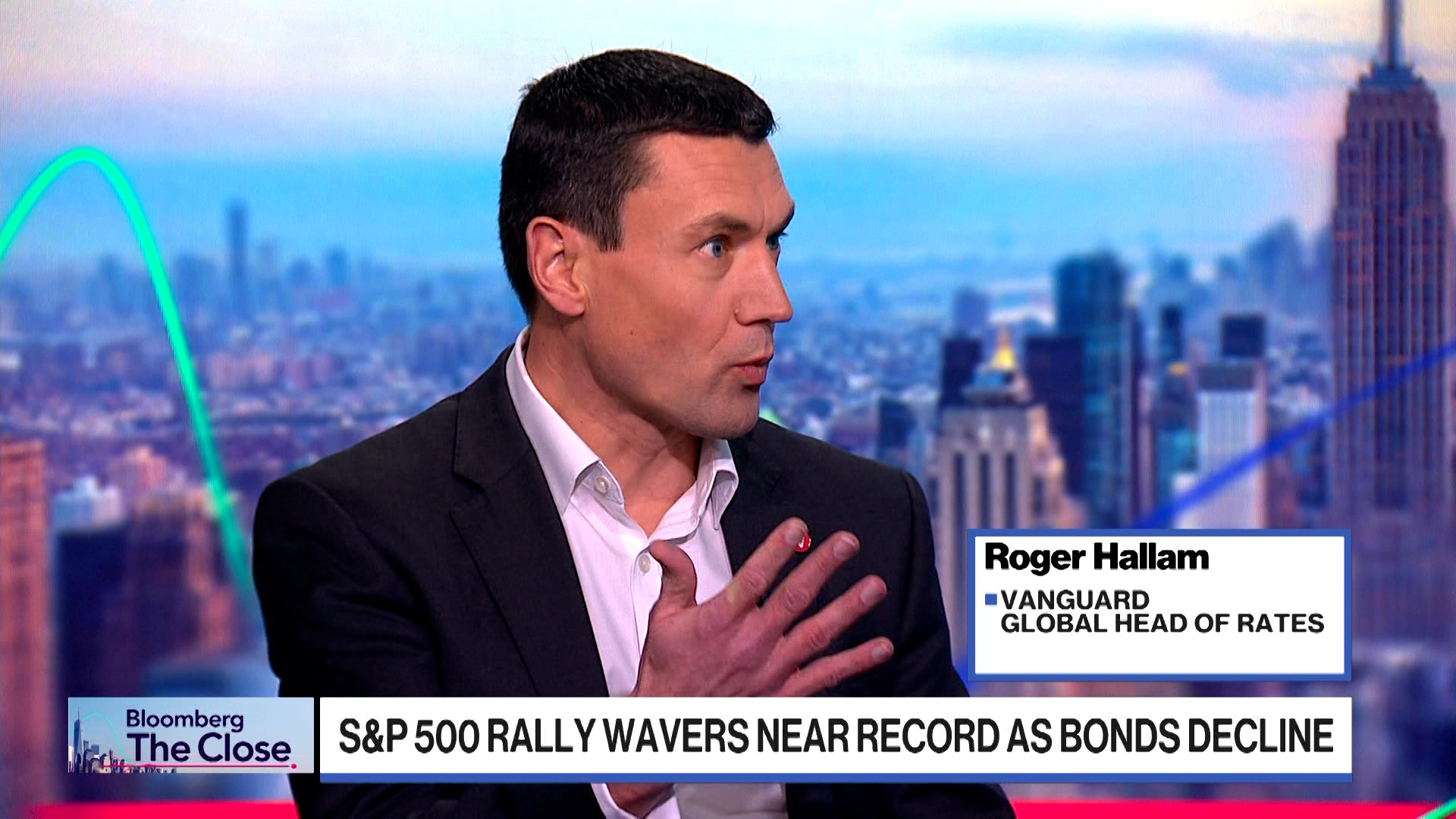
The speaker upgrades their US growth forecast to roughly 2.25% next year (from 1.5%), driven largely by stronger CapEx which they estimate will add about 1 percentage point to growth, and expects inflation to continue subsiding toward target over the medium term. They view the Fed as likely to ease policy only modestly (and more slowly than some market pricing), meaning less aggressive rate cuts than currently implied — a dynamic that could put modest upward pressure on bond yields alongside elevated long-dated corporate issuance and a rising term premium. Risk of recession is judged low with upside risks to the forecast, and the FOMC may see more frequent dissents under a new chair without a fundamental institutional shift.
Market structure: The view implies modest Fed easing but not the deep cuts priced by markets — a base case 10-year band ~3.75–4.25% with upside pressure from heavy long-dated corporate issuance and a small rise in global term premium (order of +10–40bps). Winners: capex beneficiaries (semicap equipment, industrials, hyperscalers) as CapEx adds ~1.0% to 2026 GDP; losers: long-duration assets (long-duration Treasuries, REITs, utilities) which are exposed to a 25–50bp upward shock in yields.
Risk assessment: Tail risks include sticky core inflation (keeps Fed restrictive → 10y >4.5%), a steeper-than-expected issuance shock, or a sharp tech-capex pullback (disrupts growth). Immediate (days): rates react to CPI/Fed chatter; short-term (weeks–months): front-loaded corporate issuance and Fed-chair news; long-term (quarters): persistent capex lifts growth and corporate profits. Hidden dependencies: timing of hyperscaler spend, FOMC dissent dynamics, and Treasury/corporate calendar.
Trade implications: Tactical short-duration/interest-rate exposure and selective equity cyclical longs are preferred. Expect volatility around CPI, payrolls, FOMC meetings and the corporate issuance calendar (Jan–Mar) — these are execution catalysts. Use relative-value (cyclical capex vs rate-sensitive) and credit-duration compression (shift to shorter IG maturities) to capture asymmetric risk/reward.
Contrarian angle: Consensus still embeds aggressive cuts; that is likely underpricing term premium from issuance — yields can gap higher even as inflation drifts down. Conversely, if capex surprises materially (hyperscaler acceleration), cyclical cyclicals could outperform aggressively; therefore bias toward flexible, paired bets that profit from higher yields and cyclical outperformance simultaneously.
AI-powered research, real-time alerts, and portfolio analytics for institutional investors.
Request DemoOverall Sentiment
mildly positive
Sentiment Score
0.25
