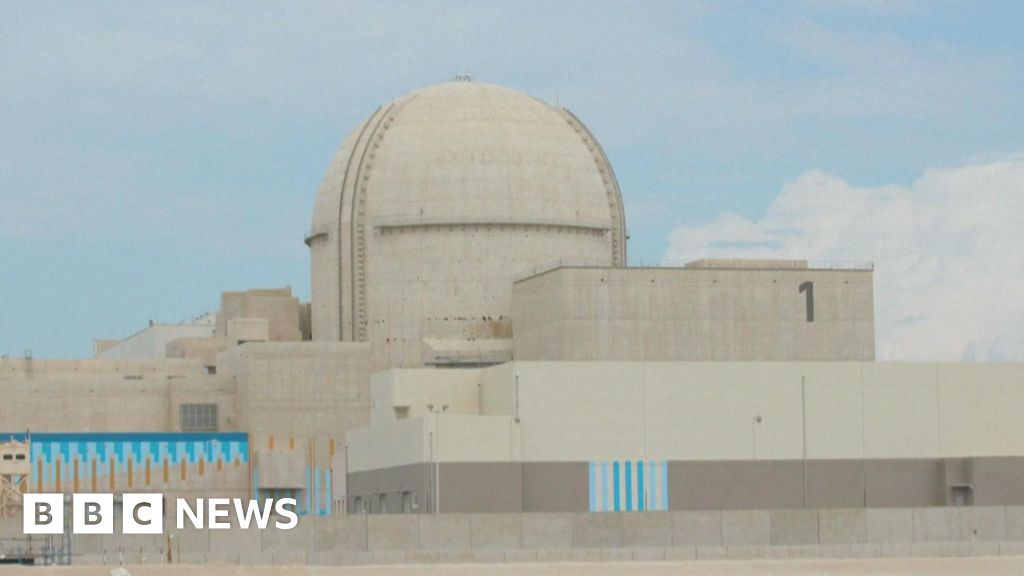
A drone strike hit an electrical generator outside the inner perimeter of the Barakah Nuclear Power Plant near Abu Dhabi, triggering a fire but causing no injuries or radiological impact. UAE authorities said all units are operating normally while investigations continue into the source of the attack. The incident raises geopolitical and nuclear-safety risks in the Gulf and could keep regional energy and defense sentiment under pressure.
This is less about immediate damage to the plant and more about a regime shift in perceived infrastructure risk across the Gulf. Even a failed or contained strike at a nuclear-adjacent site forces insurers, shippers, utilities, and sovereigns to price a wider security premium, which can show up first in higher marine/energy insurance rates, wider CDS on regional credits, and a steeper risk premium for projects that depend on uninterrupted power availability.
The second-order effect is that the attack raises the optionality value of hardening assets and decentralized power. That is constructive for defense electronics, counter-drone systems, and distributed generation / storage providers, while it is negative for capital-intensive grid expansions and greenfield megaprojects in the region that assume low geopolitical volatility. Over the next few weeks, the key market transmission is not oil supply disruption alone; it is whether repeated incidents start to affect UAE/U.S. alliance posture, which could tighten security spend and widen the spread between regional and global risk assets.
The contrarian point is that the market may overstate immediate energy supply interruption and understate the persistence of a “near-miss” narrative. If no follow-on incident occurs, Brent can mean-revert quickly, but security budgets rarely do; incident-driven procurement cycles often last 6-18 months. The more durable trade is on defense capex and grid resilience, not on a one-day oil spike.
Catalysts to watch: attribution clarity, any retaliatory signaling, follow-on drone/interception events, and whether Gulf insurers or port operators revise terms. If the incident remains isolated, the risk premium should fade within days; if it becomes a pattern, expect a multi-month rerating in regional infrastructure and transport risk.
AI-powered research, real-time alerts, and portfolio analytics for institutional investors.
Request DemoOverall Sentiment
moderately negative
Sentiment Score
-0.35
