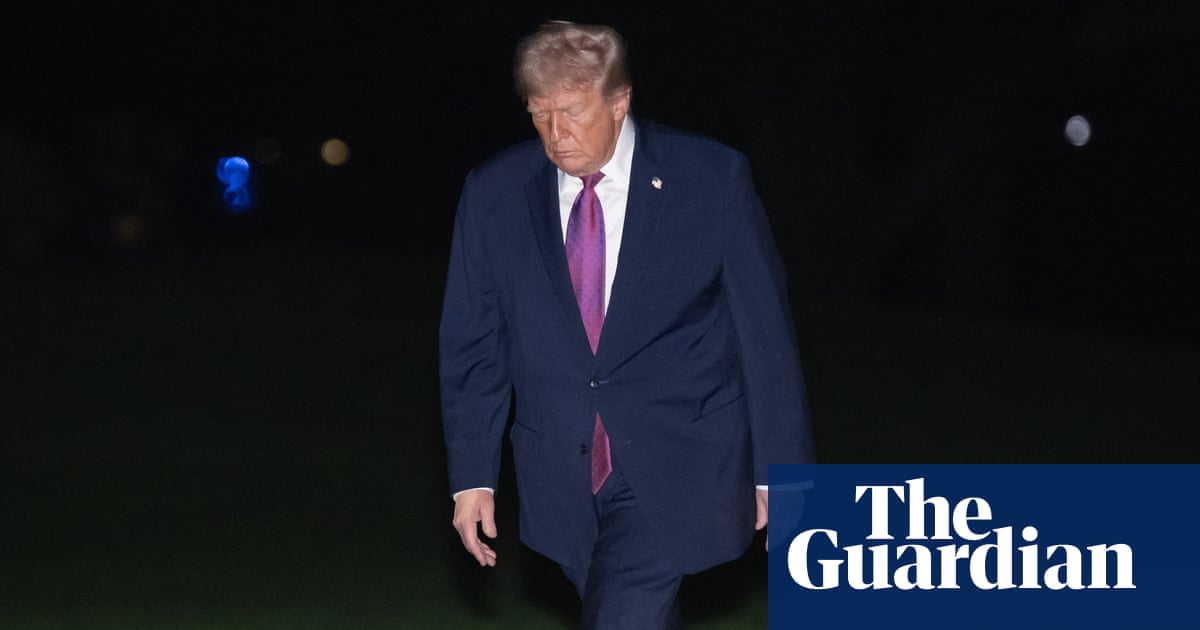
A trio of polls shows Trump’s approval slipping into the mid-30s, with economy approval at 30% and only 23% approving of his handling of the cost of living. Public concern is high: 72% say the country is headed in the wrong direction, 67% disapprove of Trump’s Iran policy, and 52% say they are less likely to back candidates who support his deportation approach. The article points to growing political headwinds for Trump-aligned Republicans ahead of the midterms, but the market impact is limited.
The market implication is less about presidential approval itself and more about the probability distribution for the 2026 governing environment. Mid-30s approval with deteriorating ratings on pocketbook issues increases the odds of a divided or even weakened Republican Congress, which typically raises the discount rate on policy-dependent earnings: tariff-intensive industrials, immigration-reliant labor markets, and sectors exposed to abrupt fiscal or regulatory swings. The first-order read is political noise; the second-order effect is a lower probability of durable Trump-policy follow-through, which matters most for trades that have been leaning on persistent deportation, border, or sanction escalation assumptions.
The more actionable channel is immigration. If the administration keeps slowing enforcement to reduce backlash, labor supply could stabilize in the exact pockets that were pricing in tighter workforce conditions: agriculture, food processing, construction, hospitality, and logistics. That is mildly negative for firms hoping for protectionist wage pressure to support pricing, but constructive for margin-sensitive operators with elevated labor intensity. The signaling effect also reduces upside for domestic staffing and security names that were implicitly monetizing a harder enforcement regime.
Geopolitically, weak support for further Iran escalation constrains tail-risk premium in defense and energy, especially if the White House becomes more reluctant to broaden the conflict heading into the midterms. The setup is asymmetric: a fresh incident could still spike crude and defense on a 1-3 day horizon, but the base case is reduced appetite for sustained escalation over the next 3-6 months. On the flip side, the strong support for photo ID/citizenship rules suggests election-law messaging remains potent, so voting-adjacent services and data infrastructure tied to ballot-access verification may outperform on legislative headlines even as broader Trump branding softens.
AI-powered research, real-time alerts, and portfolio analytics for institutional investors.
Request TrialOverall Sentiment
moderately negative
Sentiment Score
-0.35
