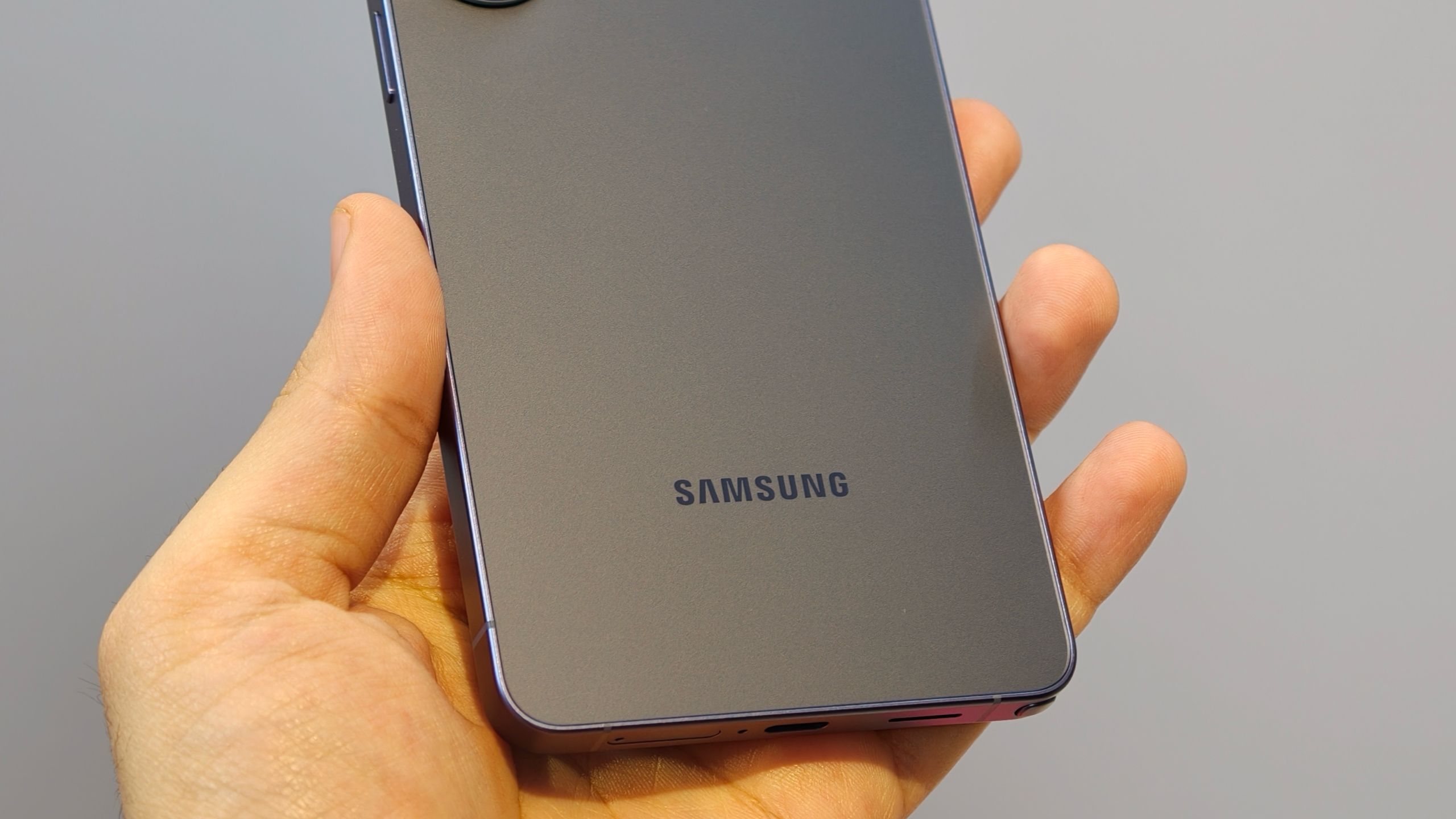
Samsung’s DX division has entered an emergency management regime and faces a potential first-ever operating loss for its mobile unit amid rising costs. Memory prices have surged >850% and logistics costs have risen due to Middle East conflict; operating margins reportedly fell from ~11% in Q1 2025 to ~3% in Q1 2026. The DX division ordered ~30% cost cuts and Samsung raised base Galaxy S26/S26+ prices by $100, reflecting aggressive steps to protect profitability.
The current shock is reallocating gross margin up the stack: datacenter AI demand is willing to bid aggressively for scarce memory, leaving consumer OEMs to absorb higher BOM costs or raise ASPs and risk demand elasticity. For a vertically integrated conglomerate, this is a mixed bag — memory profitability can offset handset weakness at the corporate level while the phone-facing division still suffers capital and operating stress, creating divergent cashflow drivers within one equity.
Expect the momentum to play out over multiple horizons. Memory tightness is likely to persist through the next 2–4 quarters as AI cluster builds continue and fabs have 9–18 month lead times before meaningful incremental supply appears; conversely, logistics and freight-driven cost shocks are much more volatile and can swing within weeks if trade routes or geopolitical tensions change. Supplier contract renegotiations and OEM price increases will be the key intermediate catalysts — watch for margin guidance and component purchase commitments in the next 1–3 earnings cycles.
Second-order winners and losers are non-obvious: freight/logistics providers and pure-play memory vendors capture pricing tailwinds, semiconductor equipment names benefit from accelerated server-side capex, and software/services monetization becomes more valuable for OEMs needing to offset hardware margin compression. Conversely, phone-centric suppliers, smaller OEMs without scale, and contract manufacturers with thin bargaining power are most exposed to margin passthrough and order volatility, creating fertile ground for pair trades and cross-asset hedges over the next 3–12 months.
AI-powered research, real-time alerts, and portfolio analytics for institutional investors.
Overall Sentiment
strongly negative
Sentiment Score
-0.60
