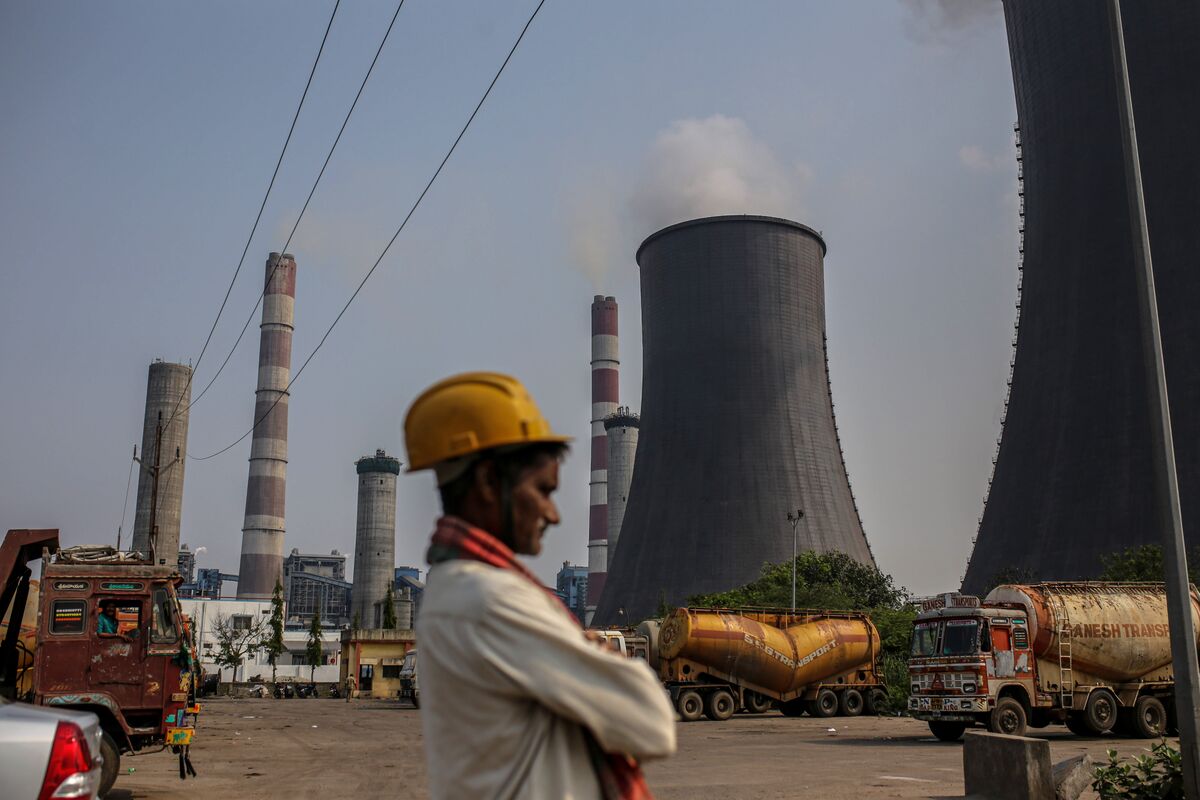
India is planning to require coal-fired power plants to budget for upgrades enabling them to operate more flexibly at lower regular capacity and to allow for additional maintenance windows, with the aim of accommodating a larger share of solar on the grid. The proposal—still being finalized—would likely force incremental capex and operational changes for coal generators while easing integration of renewables, creating potential downside pressure on coal plant utilization and modest upside for renewable developers and grid-balancing services.
Market structure: Forcing coal plants to run more flexibly and at lower baseload utilization shifts pricing power toward renewables+storage and grid operators (transmission/ancillary services). Expect coal-fired capacity factors to fall ~10–30% over 2–3 years in stressed scenarios, reducing thermal coal demand and pressuring coal-centric IPPs and miners while improving economics for large-scale solar developers, inverter/BESS suppliers and POWERGRID-style transmission owners. Risk assessment: Tail risks include abrupt mandated retirements, large forced-cycling outages raising short-term blackout risk, or state-led compensation packages that blunt market losses. Time buckets: immediate (days) – limited market reaction; short (30–180 days) – policy finalization, capex budgeting; long (1–3 years) – structural demand shift for thermal coal 10–30% and higher volatility in power prices; hidden dependencies include DISCOM payment health and transmission bottlenecks that can delay renewable absorption. Trade implications: Favor renewables, storage, and grid plays and underweight coal miners/IPPs with heavy coal burn. Use directional equity exposure (Adani Green ADANIGREEN.NS, Tata Power TATAPOWER.NS, POWERGRID.NS) and hedged short exposure to Coal India COALINDIA.NS/coal-heavy IPPs; target 6–12 month option structures to express asymmetric views while sizing bets 1–3% AUM each. Contrarian angles: Consensus may underweight the probability that state-owned generators (NTPC.NS) receive fiscal support to avoid stranded capacity—shorting large state players is riskier. Also, faster battery demand could create supply-side commodity shocks (Li, Cu) that benefit miners and battery material names even as thermal coal weakens.
AI-powered research, real-time alerts, and portfolio analytics for institutional investors.
Overall Sentiment
neutral
Sentiment Score
0.10
