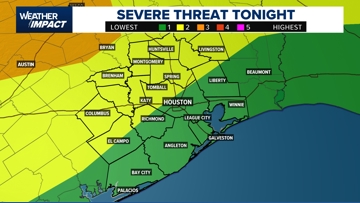
Texas activated emergency response resources ahead of severe storms expected across much of the state starting Sunday afternoon and lasting into early Monday. The Houston area is under a Weather Impact Alert from 10 p.m. Sunday to 5 a.m. Monday, while parts of Central, North, and West Texas face a level 3/5 enhanced severe weather risk. The article is precautionary rather than event-driven, with limited direct market impact unless storm damage escalates.
The immediate market effect is less about headline storm risk and more about operational friction: even modest severe-weather episodes in Texas can create short-lived but highly liquid dislocations in power demand, trucking, retail traffic, and construction activity. The first-order beneficiaries are emergency-response and utility-restoration vendors, but the second-order winners are insurers and reinsurers only if the event stays localized and loss severity remains below deductible layers; otherwise the market typically overreacts to tail risk before the claims picture is known.
The bigger underappreciated channel is logistics. Texas is a critical node for freight, refining, petrochemicals, and cross-state trucking, so a few hours of flooding or wind-related outages can ripple into same-day delays rather than months-long damage. That makes this more tradable as a very short-dated volatility event than as a directional macro call; the market usually prices the possibility of disruption, then mean-reverts quickly if there is no verified infrastructure damage by the next trading session.
For utilities and infrastructure names, the key question is whether restoration spend or storm hardening guidance changes near-term capex cadence. A severe-but-contained event can support small upside in grid-resilience and emergency-services contractors, while a broader disaster would be negative for insurers and consumer discretionary exposure through lost foot traffic and delivery interruptions. The contrarian view is that the market may overestimate economic damage from a meteorological headline and underprice the speed of normalization, especially if the heaviest impacts remain north of the main metro and don’t hit high-value assets.
AI-powered research, real-time alerts, and portfolio analytics for institutional investors.
Request DemoOverall Sentiment
mildly negative
Sentiment Score
-0.15
