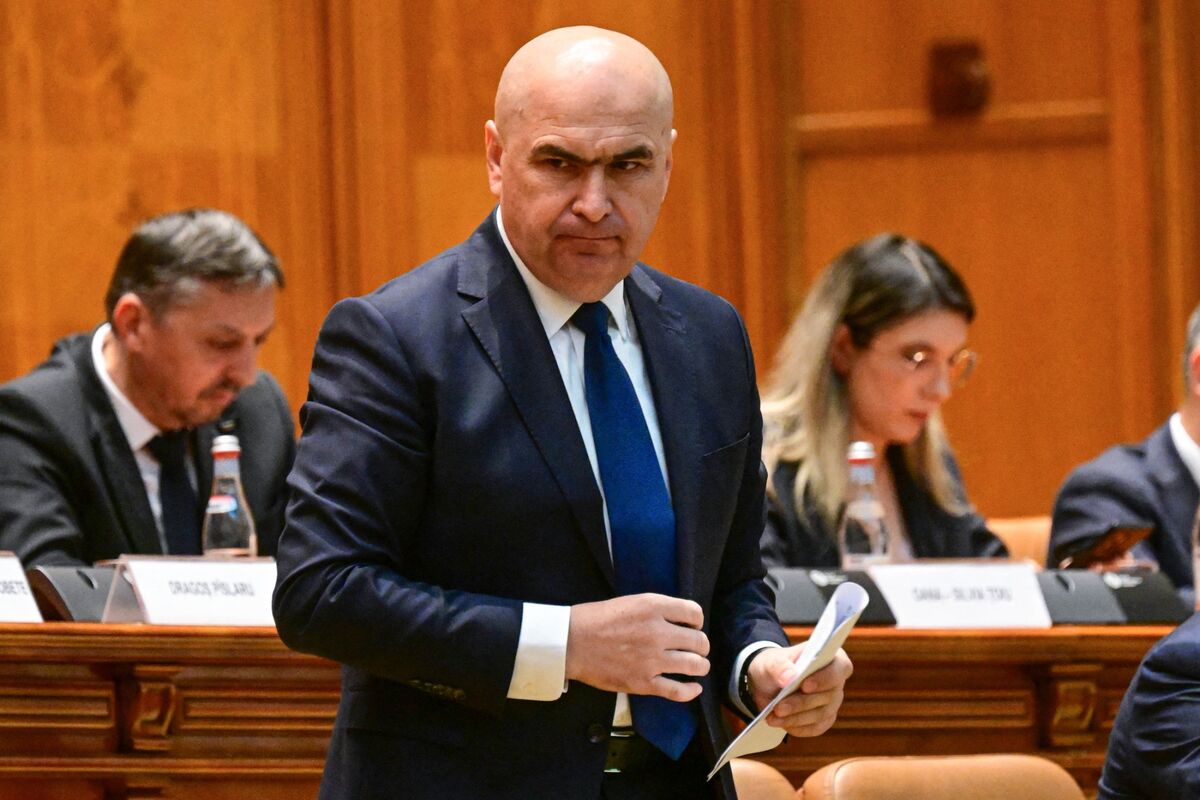
Romania's government is fast-tracking a sweeping fiscal austerity package, utilizing a constitutional provision, to reduce the nation's budget deficit—currently the widest in the European Union—to below 6% of economic output next year. This aggressive fiscal consolidation effort, led by Prime Minister Ilie Bolojan, is encountering significant political resistance, potentially triggering a no-confidence motion from surging far-right parties, indicating heightened political risk amidst critical economic reforms.
Romania's government is aggressively pursuing fiscal consolidation by fast-tracking a significant austerity package, aiming to reduce its budget deficit—currently the widest in the European Union—to below 6% of economic output. This decisive action to improve public finances is a potential long-term positive for the country's sovereign credit profile. However, the use of a constitutional fast-track provision to bypass standard parliamentary debate highlights the contentious nature of the reforms and introduces substantial political risk. The primary threat is a potential no-confidence motion from ascendant far-right parties, which could destabilize the government and derail the fiscal agenda. This situation creates a dichotomy for investors: the promise of improved fiscal discipline is counter-weighed by immediate and significant political instability, justifying the market's moderately negative sentiment and uncertain outlook.
AI-powered research, real-time alerts, and portfolio analytics for institutional investors.
Request DemoOverall Sentiment
moderately negative
Sentiment Score
-0.45
