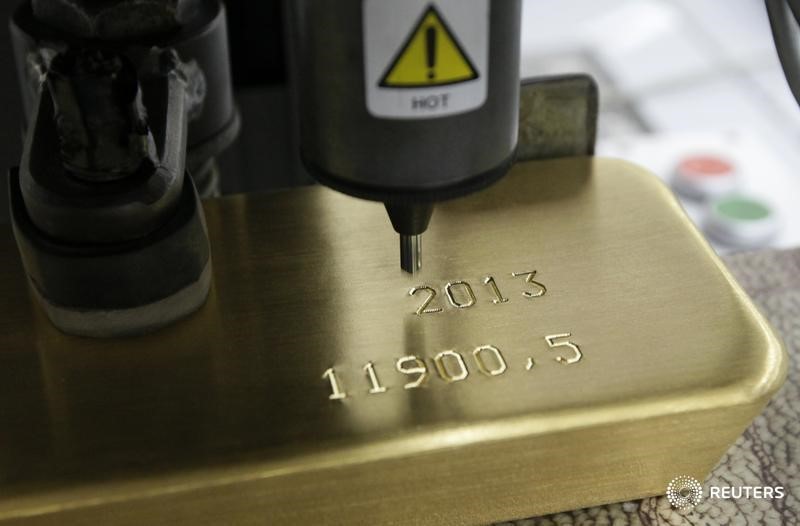
Spot gold rose 2.1% to $4,639.40/oz and June gold futures gained 2.0% to $4,651.49/oz as a softer dollar and lower bond yields offset inflation fears. Elevated Brent crude and conflict-related supply concerns are keeping inflation and rate expectations in focus, with the Fed holding rates unchanged and more U.S. inflation data due later today. The article points to a market-wide risk backdrop driven by energy prices, geopolitics, and central-bank policy.
The important read-through is not the headline miss/beat dynamic; it’s that the market is starting to price a slower conversion of AI demand into earnings because capex is becoming the binding constraint. That shifts the debate from revenue durability to return-on-capital durability, which is structurally more damaging for mega-cap platforms than for names with asset-light monetization or clearer near-term monetization per dollar of compute. In that regime, investors tend to punish any incremental capex surprise multiple times: once on FCF, again on margin expectations, and a third time on the implied terminal multiple.
The second-order winner is the semiconductor and infrastructure stack, but only selectively. If hyperscalers keep spending, the near-term beneficiaries are the picks-and-shovels enablers with pricing power and supply scarcity, not necessarily the end-platform equity holders; however, if the market decides capex is overbuilt, the adjustment usually shows up first in forward-order expectations for high-beta AI hardware names before it hits the hyperscalers themselves. That makes the trade asymmetry better in the enablers than in the platform, but the timing matters: these names can stay bid until the market sees a capex pause or digestion quarter.
JPM’s downgrade matters because it reframes the equity story as a balance-sheet and regulatory-risk proxy at a time when macro uncertainty is rising. Higher rates and persistent inflation are usually good for banks at the margin, but not when valuation is already rich and credit normalization is delayed by still-tight financial conditions. The market is likely underestimating how quickly slower loan growth plus higher funding costs can compress forward EPS if the rate path stays volatile for another 1-2 quarters.
The contrarian view is that the selloff in META may be overdone if management can show any evidence that capex is front-loaded and monetization lags by only 2-3 quarters. In that case, the market is effectively discounting permanent margin erosion from what may be a temporary investment cycle. The cleaner tell will be whether ad pricing and engagement metrics improve enough to offset incremental depreciation; if not, this becomes a multi-quarter de-rating rather than a one-day shakeout.
AI-powered research, real-time alerts, and portfolio analytics for institutional investors.
Request DemoOverall Sentiment
neutral
Sentiment Score
-0.05
Ticker Sentiment
