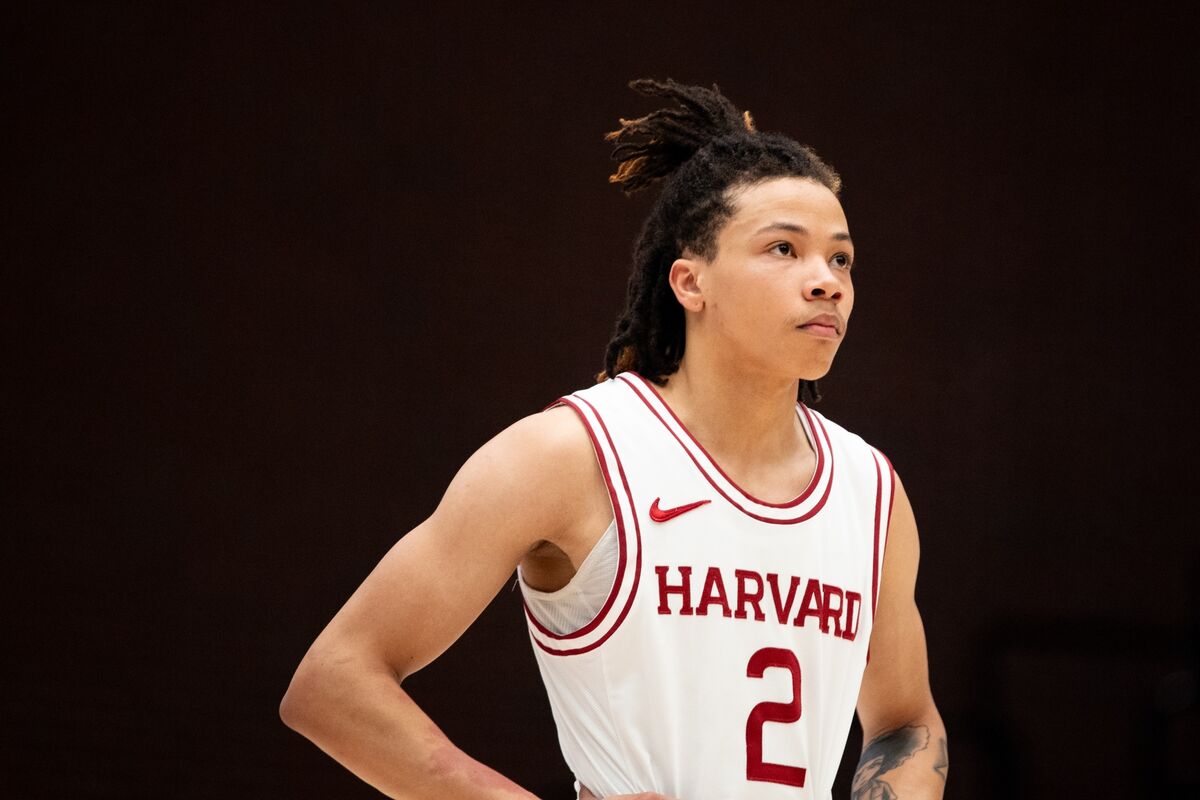
The transfer portal is reshaping Ivy League basketball into a proving ground for players seeking NCAA tournament success and NBA exposure. Harvard freshman point guard Malik Mack, the 2023-24 Ivy League Rookie of the Year and school freshman scoring record-holder, entered the portal and received heavy recruitment from bigger programs. The trend highlights changing roster-construction dynamics and intensified recruiting competition for mid-major and academic institutions, with limited direct market implications.
The transfer portal is creating a durable arbitrage: players become liquid short-term assets whose value is discovered in high-visibility windows (conference tournaments and March). That increases short-term viewership volatility and betting handle around games that feature recently transferred impact players, concentrating economic upside into operators who monetize live engagement (odds/ads/ticketing) on a weeks-to-months cadence rather than across seasons.
Second-order winners are the intermediaries — recruiting analytics, NIL marketplaces, and coaching boutiques — because roster churn raises demand for real-time scouting, contract structuring, and short-cycle NIL deals. Expect private-equity interest and M&A in these service providers over the next 12–36 months as recurring revenue models (subscription scouting, transaction fees) scale faster than college-media rights cycles.
Media-rights economics are ambiguous: short-term ratings spikes around transfer-driven storylines can lift quarterly ad revenue, but persistent roster instability degrades the multiyear storytelling that underpins premium rights valuations. If transfers continue, broadcasters face a choice in 12–24 months — pay up for episodic, hype-driven inventory or reprice/shelf rights for longer-term narratives, which risks compressing forward multiples for legacy pay-TV sports assets.
Regulatory tail risks are real and short timeframe: rule changes (transfer limits, NIL restrictions, or a G League/NBA pathway tweak) can re-route talent flows within 6–18 months and collapse the current arbitrage. The clearest asymmetric opportunity sits with firms that monetize episodic engagement (betting, ticketing, short-cycle merchandising) rather than long-duration franchise storytelling.
AI-powered research, real-time alerts, and portfolio analytics for institutional investors.
Request DemoOverall Sentiment
neutral
Sentiment Score
0.00
