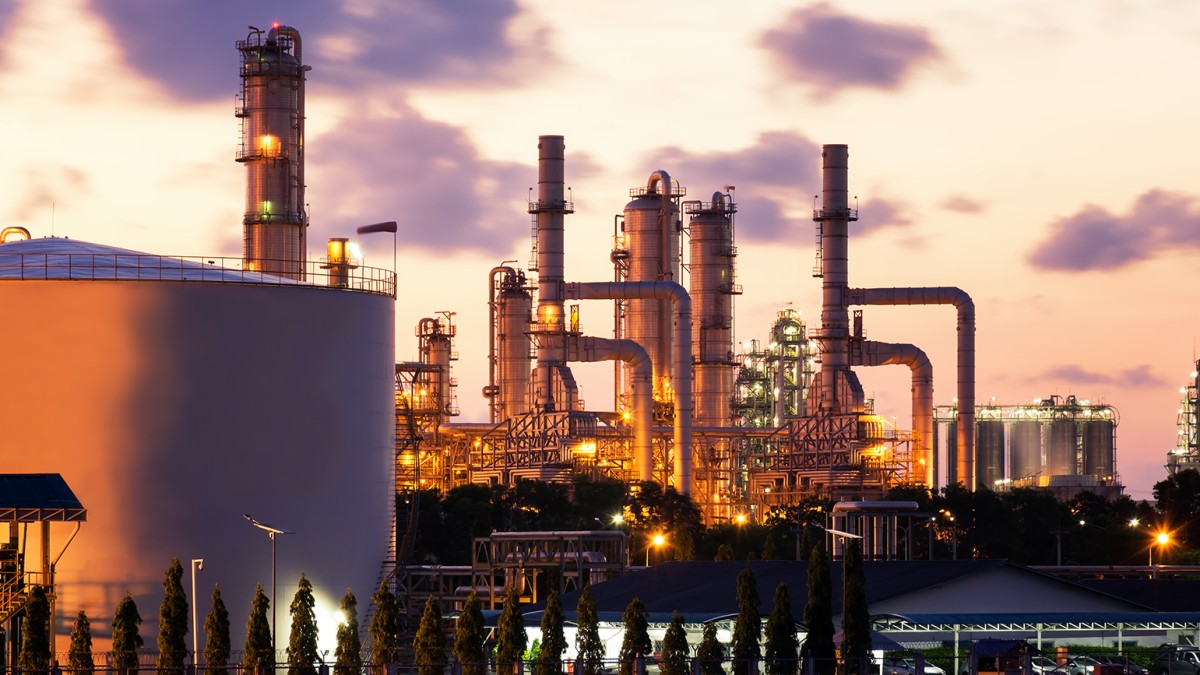
The IEA says it could take up to two years to restore a meaningful share of oil and gas output lost in the Iran war, while the Strait of Hormuz has been largely shut and more than 80 facilities across the region have been damaged. Up to 13 million barrels per day of oil production has been knocked out, with some crude trading near $150 and refiners in Europe and Asia cutting runs amid shortages. The shock is already driving demand destruction via fuel rationing, reduced industrial activity, and rising inflation pressures, especially in emerging markets.
The market is still pricing this as a classic headline shock, but the real shift is from a price spike to a supply-duration event. Once physical damage is widespread, the marginal barrel becomes a restoration problem, not a shipping problem; that means backwardation can stay extreme and prompt spreads can remain dislocated for quarters, not days. The second-order effect is tighter global refined-product balances than crude balances, which is why refiners with secured feedstock and owned logistics should outperform plain-vanilla producers.
The biggest winners are the few entities with low geopolitical exposure and flexible export optionality: North American upstream, integrated majors with non-Middle East assets, and shipping/insurance intermediaries that can reprice risk. The biggest losers are import-dependent Asian refiners, airlines, chemicals, and industrials with no pass-through power; in EM, this becomes a balance-of-payments and inflation problem before it becomes a demand problem. Expect the weakest sovereign credits and current-account-sensitive currencies to react with a lag as subsidy bills rise and reserves get drained.
The key catalyst sequence is not military escalation, but infrastructure repair cadence. If damaged LNG and pipeline assets take 12-24 months to normalize, the market will eventually have to re-rate forward supply curves and inflation expectations, which is bearish duration and bullish real assets. The contrarian risk is policy intervention: strategic stock releases, forced demand rationing, or diplomatic de-escalation could quickly cool front-end prices even while medium-term supply remains impaired, creating a steepening opportunity rather than a full reversal.
Consensus is probably underestimating how long downstream scarcity can persist after the Strait reopens. Physical barrels can be rerouted, but molecules lost to damaged processing and export systems are much harder to replace, so product cracks may stay elevated even if headline crude eases. That makes this more attractive as a relative-value trade than a simple outright oil bet.
AI-powered research, real-time alerts, and portfolio analytics for institutional investors.
Request TrialOverall Sentiment
strongly negative
Sentiment Score
-0.82
