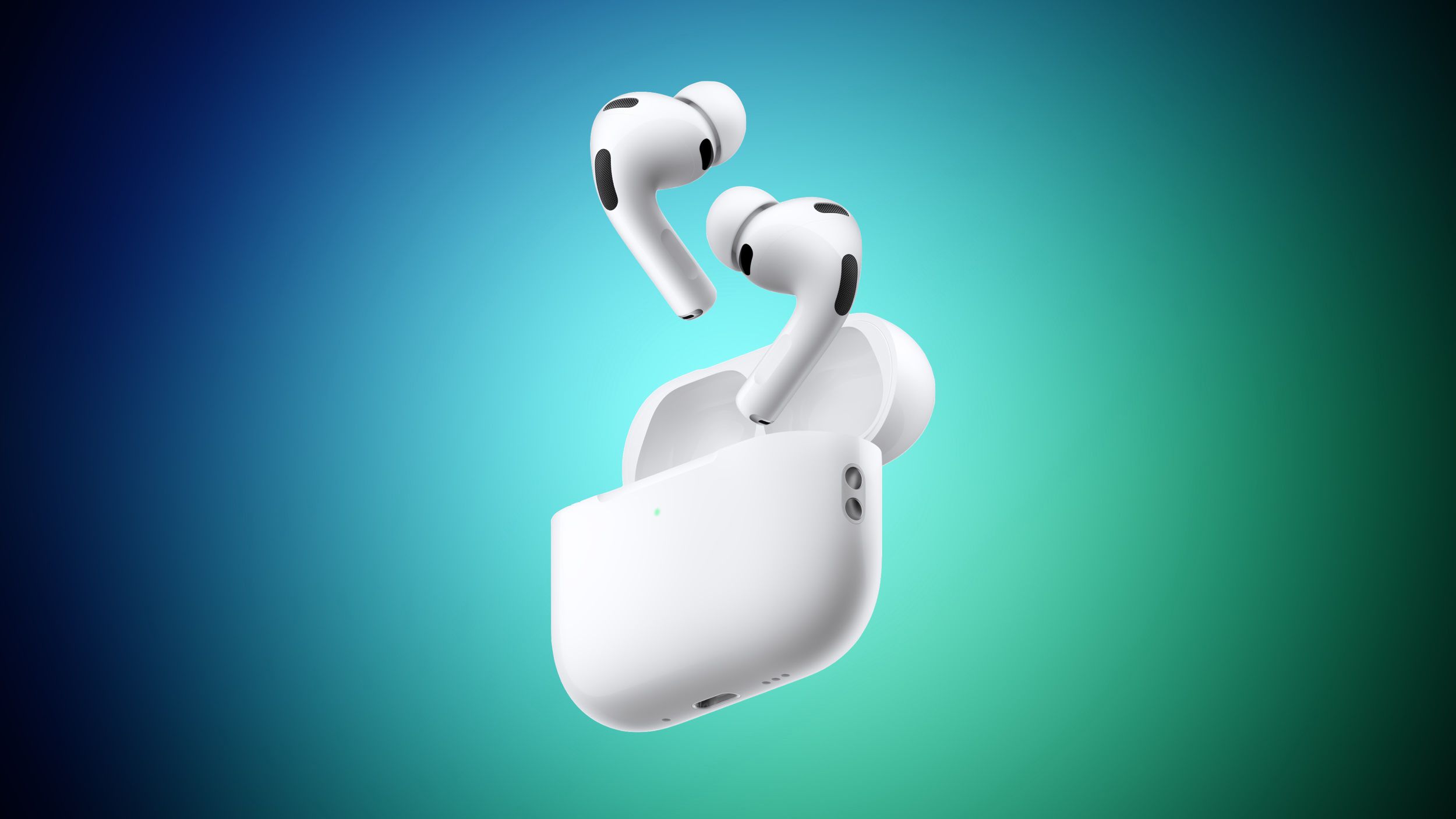
Apple is offering 10% off AirPods, Beats, or accessories when customers recycle an eligible iPhone, iPad, Apple Watch, or Mac at participating Apple Stores through May 16. The promotion supports device recycling and aligns with Apple’s Environmental Progress Report, which said 30% of material across products shipped in 2025 came from recycled content. The announcement is incremental and brand-positive, but unlikely to have a meaningful near-term impact on the stock.
This reads less like a direct monetization lever and more like a low-cost demand stimulus disguised as ESG. The key second-order effect is on accessory attach rates: a 10% discount on a relatively high-margin basket can pull forward purchases from the next iPhone cycle and improve mix toward branded add-ons, which should matter more than the headline unit uplift. Because the offer is tied to in-store recycling, Apple also reinforces retail traffic and creates a high-intent conversion funnel that competitors without a comparable trade-in ecosystem cannot easily replicate.
The more important medium-term signal is operational rather than promotional: Apple is using recycling as a brand differentiator while tightening control over post-consumer supply. If recycled-content claims continue to trend up, it supports a narrative of input-cost resilience and regulatory goodwill, particularly in Europe where sustainability and device lifecycle policy are increasingly part of procurement and consumer choice. This should modestly support multiple durability even if hardware growth remains modest.
The contrarian takeaway is that the initiative is probably too small to move the stock on its own, so any near-term enthusiasm should be faded if it gets interpreted as a demand inflection. The true upside is in engagement and ecosystem lock-in, not immediate revenue, and the risk is that promo activity gets normalized and trains consumers to wait for discounts. If macro softens, this may help defend replacement cycles at the margin, but it will not offset a broader handset slowdown.
Catalyst-wise, watch the next earnings print for accessories/services mix commentary and any evidence that trade-in conversions are lifting store traffic or average selling price. The main reversal risk is that recycling-driven sales simply cannibalize future purchases, leaving gross profit neutral after discounting and incremental handling costs. Over a 3-6 month horizon, the stock impact is likely more sentiment-driven than fundamental unless Apple pairs this with a broader refresh cycle or a material services upsell.
AI-powered research, real-time alerts, and portfolio analytics for institutional investors.
Request DemoOverall Sentiment
mildly positive
Sentiment Score
0.20
Ticker Sentiment
