
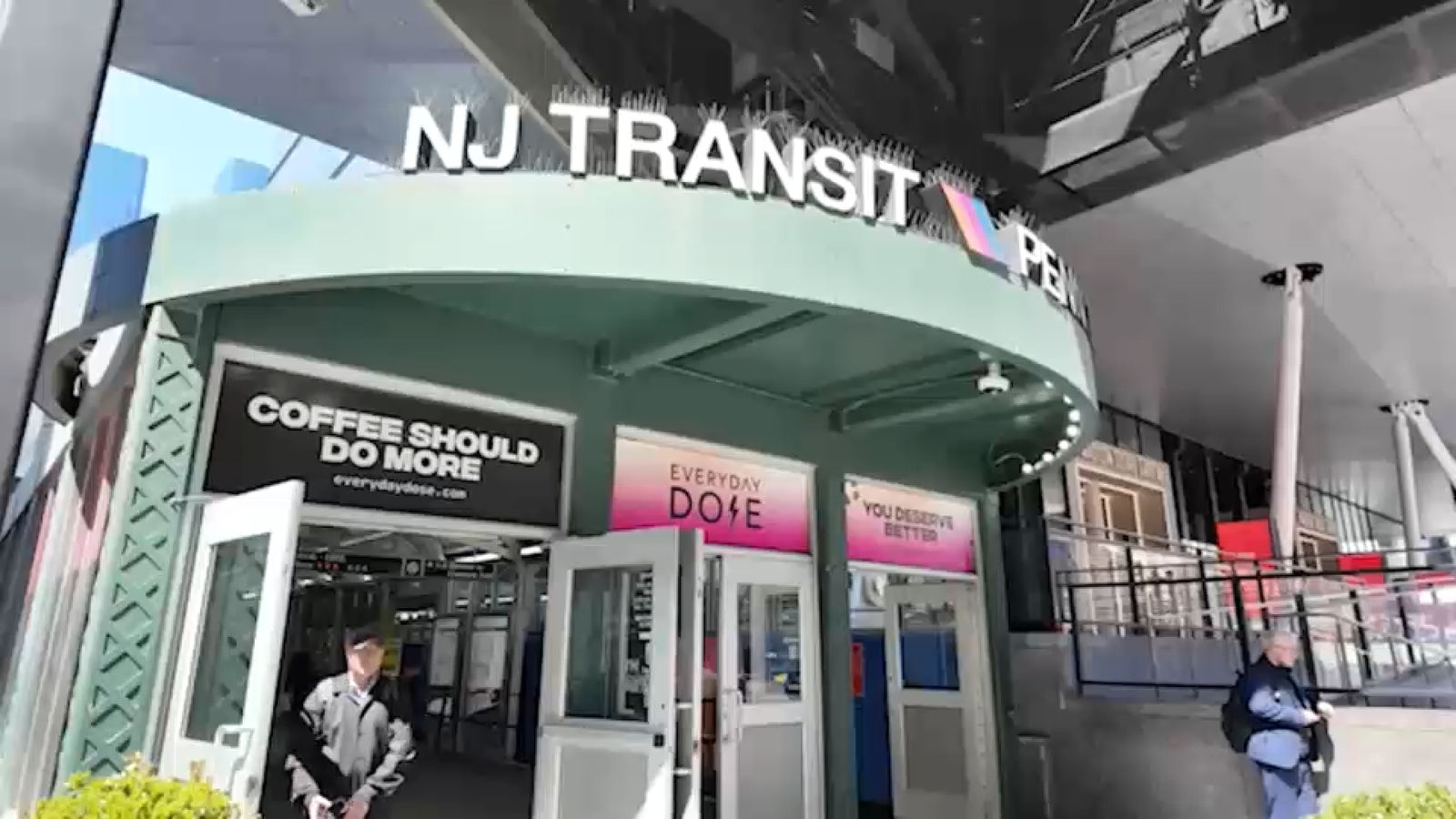
NJ Transit will charge $150 for rail rides between Penn Station and MetLife Stadium during the World Cup, versus the normal $12.90 fare, to recover an estimated $48 million cost for dedicated service. Timed tickets go on sale May 13 and require a valid World Cup match ticket, with Penn Station access restricted to World Cup-bound trains four hours before kickoff. The agency is also selling $80 round-trip bus shuttle tickets and will prohibit general spectator parking on stadium property on match days.
This is less a transit pricing story than a demand-shaping exercise that effectively converts a public utility into a premium-event gatekeeper. The price point will likely suppress marginal rail usage and shift part of the fan base to buses, private transit, or even fewer in-person attendees from price-sensitive cohorts, which matters because World Cup demand is usually assumed to be inelastic until the last mile becomes punitive. The hidden consequence is that the operator is optimizing for capacity and cost recovery, not volume, which can produce a worse-than-expected utilization mix even if headline service availability looks robust.
For PATH, the setup is nuanced: it may see incremental spillover from riders avoiding the dedicated rail corridor, but only on match days and only if price-sensitive travelers accept more fragmented routing. That creates a short-duration, event-driven bump rather than durable volume, and the bigger read-through is actually competitive pressure on bus operators and ride-hail, which now have a clearer value proposition versus a $150 rail ticket. If the market overestimates repeatability, any optimism around transit-linked names should fade quickly after the event calendar clears.
The contrarian angle is that this pricing may be politically useful but commercially self-limiting: once the public realizes the rail option is a luxury product, some traffic shifts to alternatives before matchday, reducing the very volume needed to amortize fixed costs. That raises execution risk around the dedicated service plan and makes any margin recovery highly sensitive to attendance mix, not just total match count. The risk window is near-term and binary — a few operational failures or low sell-through rates would likely force a post-event reassessment of the pricing model, which could compress expectations for any adjacent infrastructure monetization play.
AI-powered research, real-time alerts, and portfolio analytics for institutional investors.
Request TrialOverall Sentiment
neutral
Sentiment Score
-0.08
Ticker Sentiment
