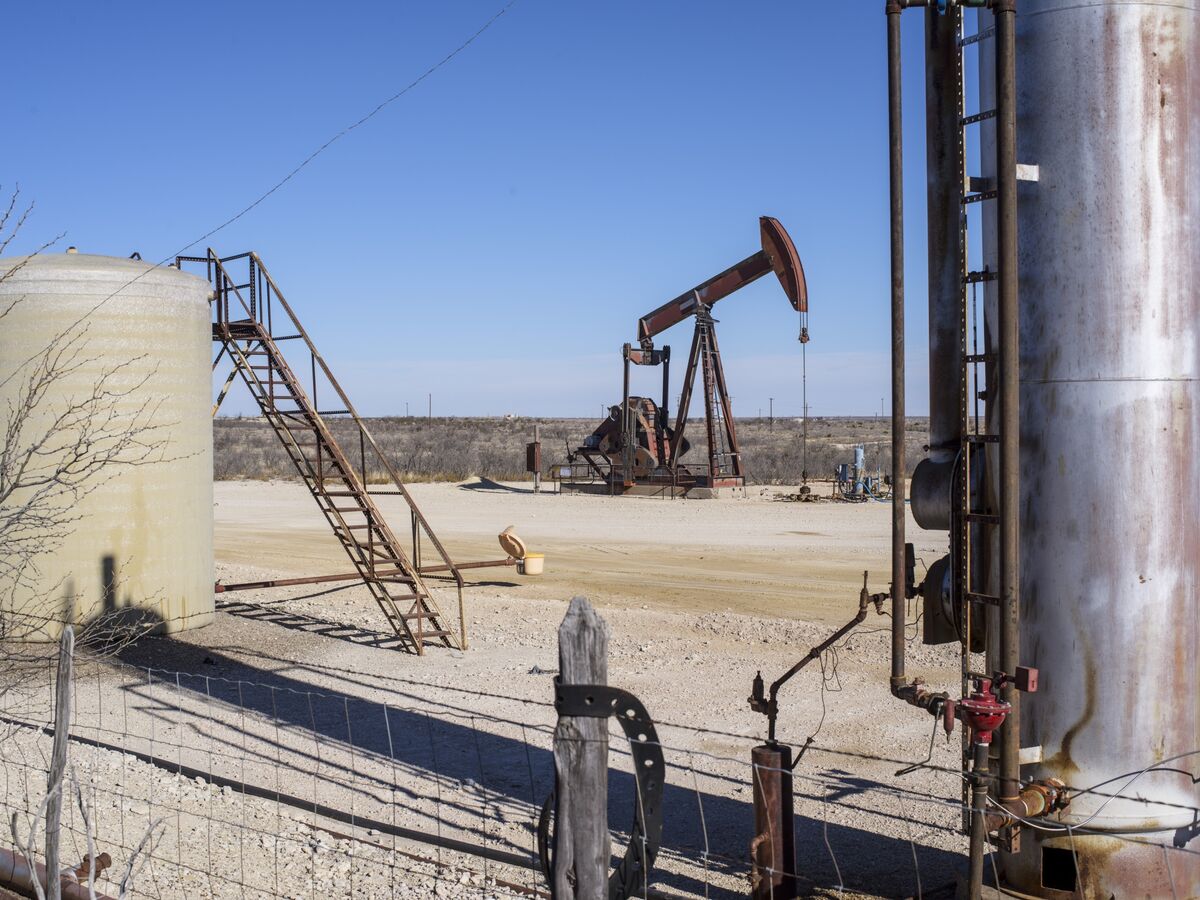
Brent crude slipped below $63/bbl and US West Texas Intermediate hovered near $58 after a 1% rise the prior session as traders focused on US-led diplomacy over Ukraine and an OPEC+ meeting this weekend. Market participants are monitoring a planned visit by US presidential envoy Steve Witkoff to Russia next week and weighing whether a deal could alter Russian crude flows, while OPEC+ decisions could further influence near-term supply and price direction.
Market structure: A credible diplomatic path that eases sanctions on Russian crude would shift pricing power toward producers and refiners with access to seaborne barrels; winners are global refiners and oil-sensitive EM currencies, losers are US-focused E&P names with higher breakevens. A coordinated OPEC+ reaction (cuts) would blunt that supply increase — expect 3–8% intra-month Brent swings around headlines. Cross-asset: a sustained $5/bbl move in Brent over 4–8 weeks typically compresses US high-yield energy credit spreads by ~20–50bp and moves the USD/FX complex (RUB +/−4–8%, NOK ±3–6%).
Risk assessment: Tail-upsides include a failure of talks combined with OPEC+ surprise cuts producing >$10/bbl NBP in 30 days; tail-downsides include a rapid Russian re-entry adding >500kbpd within 60 days driving Brent below $55. Immediate (days) volatility will be headline-driven; short-term (weeks) depends on OPEC+ statements and shipping/logistics; medium (3–12 months) depends on capex re‑acceleration or cuts. Hidden dependencies: SPR releases, insurance/shipping chokepoints and secondary-sanctions legal clarity are single points that can flip sentiment quickly.
Trade implications: If Brent 7‑day avg < $60, favor refiners and short front-month WTI via put spreads; if Brent > $70 for three trading days, rotate into E&P and oil services. Use options to cap downside: 3-month put spreads on USO to express downside and 6‑month call spreads on XOM/CVX as asymmetric protection. Time trades to OPEC+ meeting outcomes and Russia delegation announcements (next 7–14 days).
Contrarian angles: Consensus assumes talks lead to more barrels — market may underprice OPEC+ countermeasures and logistical lag in Russian exports; conversely, optimism could be overdone given infrastructure limits, keeping prices elevated. Historical parallels: 2016 showed that supply relief often takes 2–4 months to hit seaborne flows — so short-term price drops can reverse. Unintended consequence: a quick price fall compresses oil service valuations and credit spreads, creating attractive entry points if disciplined stops are used.
AI-powered research, real-time alerts, and portfolio analytics for institutional investors.
Request DemoOverall Sentiment
neutral
Sentiment Score
-0.05
