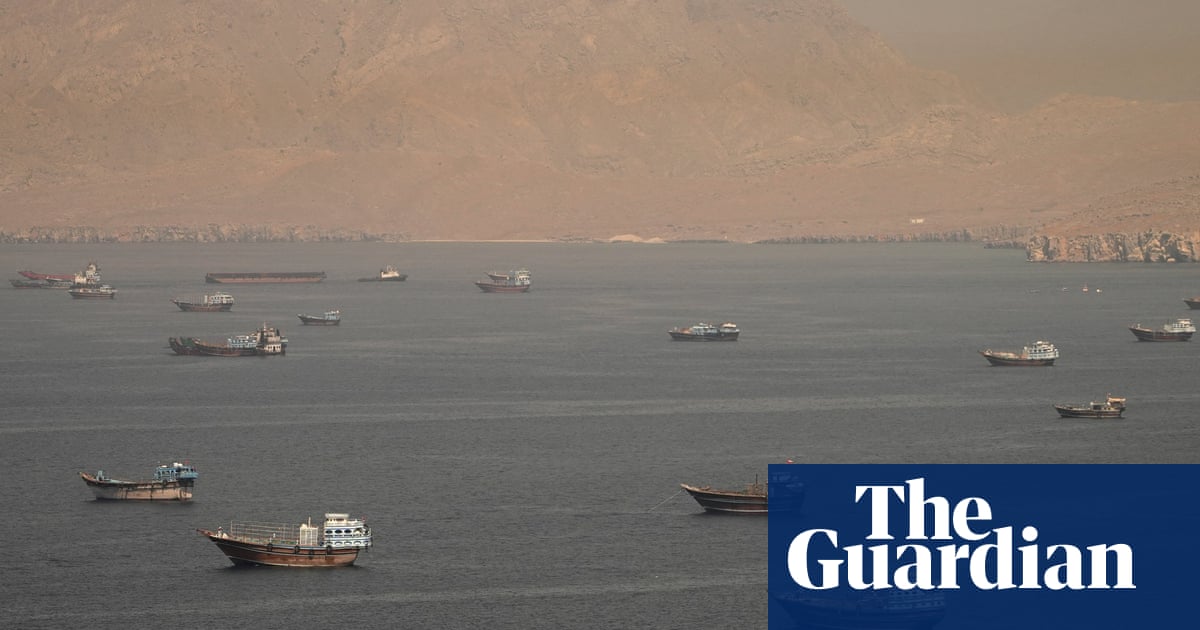
Iran said it will introduce maritime fees in the Strait of Hormuz in two months and will begin technical talks on implementing a 14-clause US-Iran memorandum, including sanctions relief for Iran’s oil exports and restored traffic through the strait. The article also says US sanctions on Iran’s oil exports were lifted and tanker traffic resumed, while Israel-Hamas-Hezbollah tensions and Israeli strikes continue to threaten the deal. The Strait of Hormuz and broader Gulf security implications make this a high-impact geopolitical and energy-market development.
The immediate market impulse is not a binary “peace dividend” but a transition from physical disruption risk to a toll-and-traffic regime. That is typically bearish for the headline geopolitical premium in crude, but not necessarily bearish for delivered energy costs: a managed strait still raises the option value of rerouting, inventory hoarding, and insurance, which can keep regional crude differentials and tanker rates firmer than flat-price screens imply. The first-order winner is not necessarily producers; it is logistics owners with pricing power and balance-sheet flexibility if traffic normalizes unevenly.
The bigger second-order effect is on capital allocation in the Gulf. If Iranian sanctions relief is partial and politically reversible, upstream capex and refinery maintenance will likely lag the headline reopening, meaning supply response can disappoint for 1-2 quarters even if exports resume quickly. That creates a window where refiners, airlines, and petrochemical users get relief only gradually, while export-sensitive EMs with fuel subsidies face a delayed fiscal benefit rather than an immediate consumption boom.
The most important tail risk is that the arrangement is fragile because each side is trying to define victory domestically while implementing concessions operationally. Any attack on shipping, a dispute over fee collection, or stalled withdrawal dynamics in Lebanon could reprice the entire regime within days, not months, and push Brent back into a fast volatility bid even if spot fundamentals stay loose. Conversely, if Gulf states successfully frame the route as “normalized” and not Iranian-controlled, the geopolitical premium could compress much faster than consensus expects, especially if tanker flows remain uninterrupted through the next few cargo cycles.
The consensus seems to be overestimating how much sanctioned barrels can return quickly and underestimating how much of the adjustment shows up in non-price channels: freight, insurance, working capital, and delayed procurement decisions. That means the cleanest expression is not a naked short oil, but a relative-value trade against the parts of energy that are most sensitive to volatility persistence rather than direction. The right lens is that this deal reduces tail risk, but it does not eliminate friction; friction is enough to support winners in shipping and balance-sheet-light energy infrastructure while leaving upstream beta more vulnerable if the premium bleeds out.
AI-powered research, real-time alerts, and portfolio analytics for institutional investors.
Request DemoOverall Sentiment
neutral
Sentiment Score
0.05
