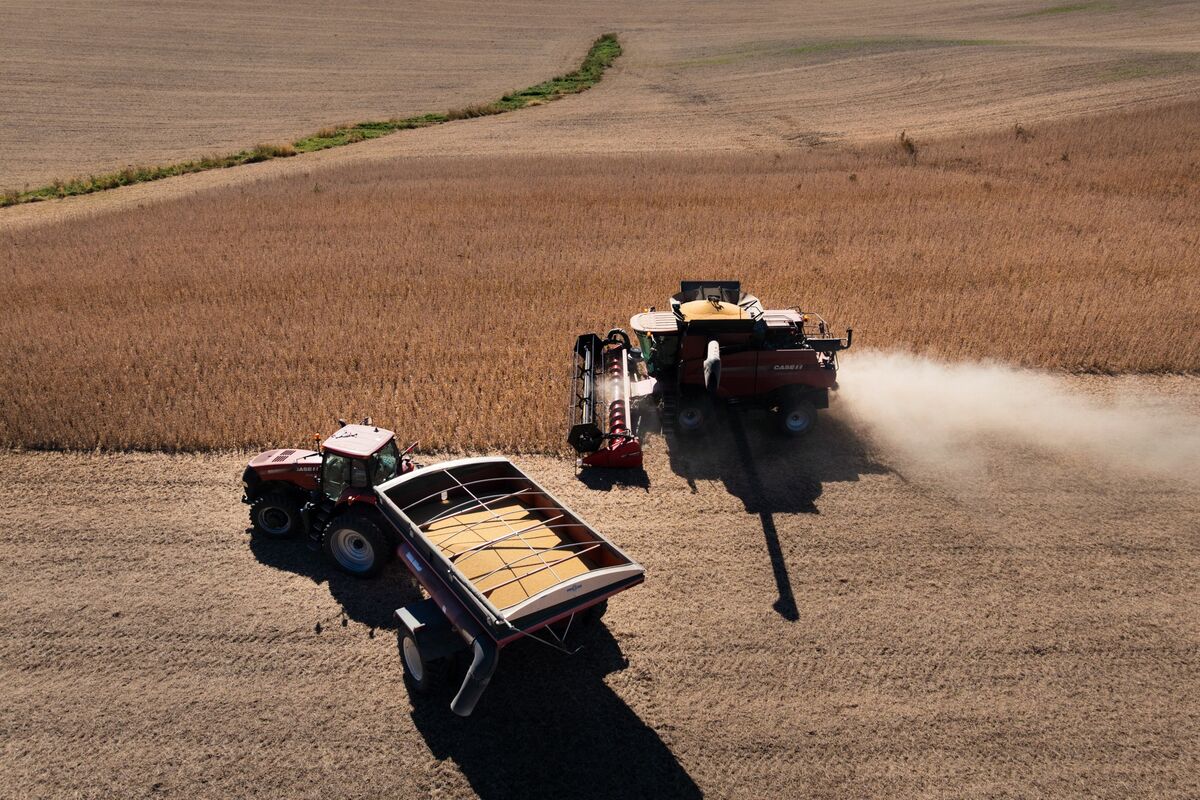
Soybean futures for January delivery rose by as much as 0.9% to $10.5975 per bushel on the Chicago Board of Trade following President Trump's optimistic remarks regarding a trade deal with China. This development fueled expectations among investors that China, the world's largest soybean importer, may soon resume significant purchases of U.S. supplies.
President Trump's recent optimistic statements regarding a potential trade deal with China have immediately impacted soybean futures. January delivery contracts on the Chicago Board of Trade saw gains of up to 0.9%, reaching $10.5975 per bushel, reflecting a moderately positive market sentiment.
This upward movement is primarily fueled by investor expectations that China, the world's largest soybean importer, may soon resume significant purchases of U.S. supplies. Such a resumption would represent a crucial shift in agricultural trade dynamics, potentially alleviating pressure on U.S. producers and rebalancing global commodity flows.
The market's sensitivity to these geopolitical developments underscores the ongoing influence of trade policy on commodity pricing. While the immediate gains are modest, they signal a clear reaction to any perceived progress in U.S.-China negotiations, indicating that future official announcements will likely drive further market direction.
AI-powered research, real-time alerts, and portfolio analytics for institutional investors.
Request DemoOverall Sentiment
moderately positive
Sentiment Score
0.50
Ticker Sentiment
