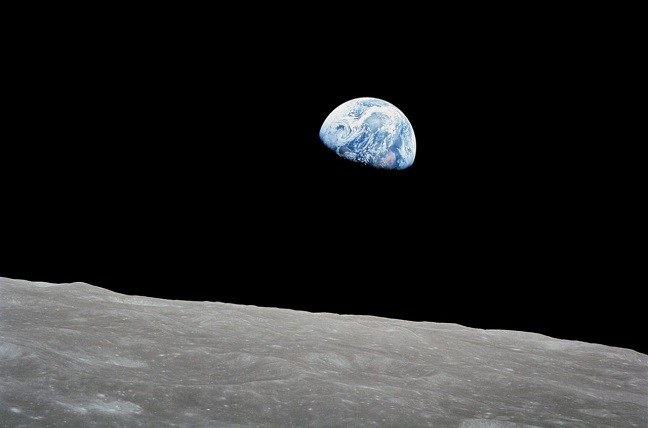
NASA has relaxed internal rules to allow modern smartphones to accompany Crew-12 and Artemis II, with Jared Isaacman noting crews will use them to capture and share imagery; specifics on device modifications or models (widely reported as iPhones) were not disclosed. The decision reflects a push to streamline long-standing qualification processes amid concerns over electromagnetic interference and outgassing (MIL-STD-461 and GSM radio issues), builds on prior consumer-device use on the ISS (e.g., ESA mobiPV, AstroPi), and could modestly reduce demand for some specialized space camera hardware—but is unlikely to move markets materially.
Market structure: Loosening NASA rules favors consumer-phone makers (most likely AAPL) and camera/sensor suppliers (Sony SNE) because cheap, high-quality imaging replaces niche space-only kit; legacy space-imaging suppliers (e.g., specialized camera OEMs) face pricing pressure. Competitive dynamics shift toward commoditization of non-critical avionics and testing services (EMI/qualification), raising demand for rapid certification and integration rather than bespoke hardware; expect modest margin pressure for incumbents over 12–36 months. Cross-asset impact is tiny on rates/FX; expect small idiosyncratic volatility in related equities and elevated implied vols around launch windows (Mar–Sep 2026).
Risk assessment: Tail risk includes an interference/security incident that causes mission delay or loss, triggering regulatory rollback and steep re-certification costs for consumer-device suppliers—binary event with >30% draw on implicated small-cap vendors. Time horizons: immediate (days) watch PR and agency statements; short (weeks–months) the Artemis II/Crew‑12 launch windows (Mar–Sep 2026) are catalyst periods; long (1–3 years) see policy normalization or broader COTS adoption. Hidden dependencies: onboard cybersecurity, insurer/indemnity changes, and MIL‑STD acceptance thresholds; a single anomaly could force stricter RF/EMI standards.
Trade implications: Direct: establish a tactical 2–3% long position in AAPL (tech sleeve) through a defined-risk 3–6 month call spread (e.g., Jun 2026 ATM vs +5% strike) sized 0.5–1% portfolio to capture PR/marketing upside around launches. Add a 1–2% long position in SNE for sustained sensor demand over 6–18 months. Reduce/trim 1–2% exposure to thematic space ETFs (ARKX) and small-cap space‑qualification names; consider short ARKX vs long AAPL pair to express relative value.
Contrarian angles: Market likely underestimates cybersecurity and insurance cost upside that will flow to specialist test/qual firms (opportunity), and overestimates persistent revenue upside for smartphone OEMs from a few mission appearances. Historical parallel: adoption of COTS avionics delivered short PR spikes but long secular shift to certification services (2–5 year winners were test/parts suppliers, not OEMs). Actionable watchlist: monitor FAA/NASA incident logs and NASA policy memos within 30–60 days—any adverse language is a quick trigger to tighten stops or flip to shorts.
AI-powered research, real-time alerts, and portfolio analytics for institutional investors.
Request DemoOverall Sentiment
neutral
Sentiment Score
0.00
