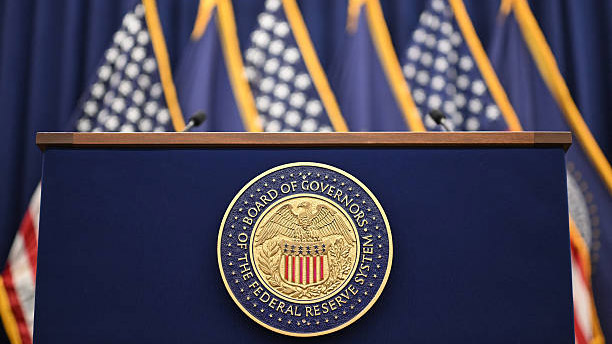
Liz Ann Sonders indicates that a 50-basis point Federal Reserve rate cut is now off the table. This signals a less aggressive easing stance than some market participants may have anticipated, influencing expectations for future monetary policy.
The assertion from Liz Ann Sonders that a 50-basis point Federal Reserve rate cut is 'off the table' signals a significant recalibration of monetary policy expectations. This comment, characterized by a hawkish tone and moderately negative sentiment, suggests that the path for monetary easing will be more gradual than some market participants had anticipated. By ruling out a more aggressive initial cut, the outlook solidifies around a potential series of conventional 25-basis point reductions. This implies that the Federal Reserve will maintain a restrictive stance for longer, likely demanding more conclusive data on inflation's descent before committing to a significant easing cycle. Consequently, financial conditions may not loosen as quickly as previously expected, impacting asset valuation models that had priced in a more dovish pivot.
AI-powered research, real-time alerts, and portfolio analytics for institutional investors.
Request DemoOverall Sentiment
moderately negative
Sentiment Score
-0.50
