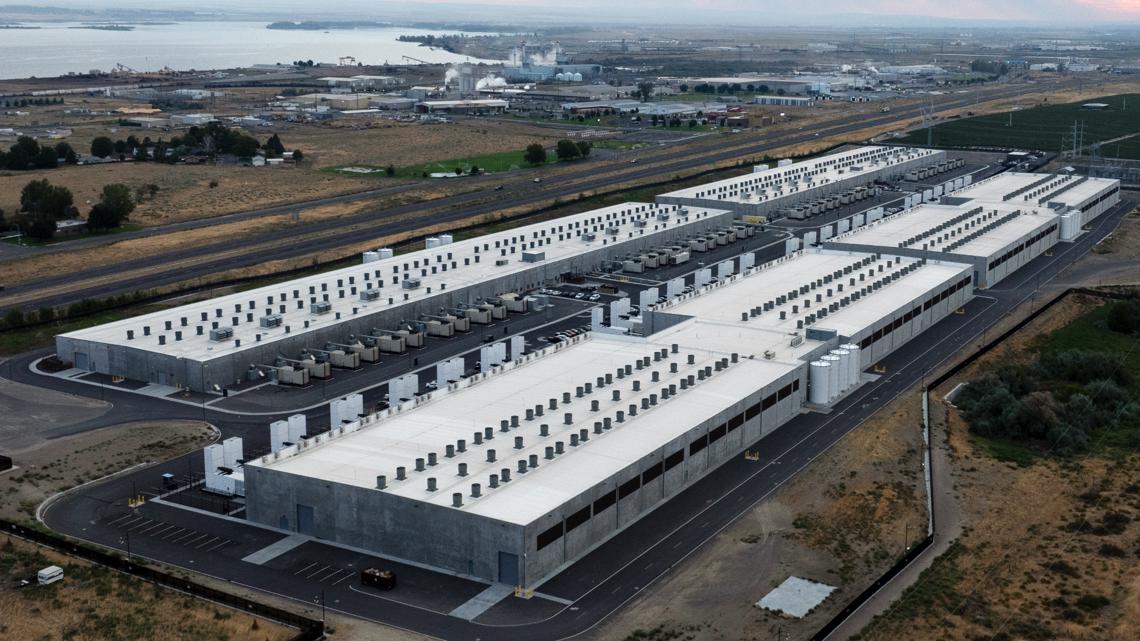
Anthropic committed to spend more than $100 billion over the next decade on AWS infrastructure, while Amazon is adding up to $20 billion more in equity investment, including an immediate $5 billion tranche. The expanded deal also covers up to 5 gigawatts of computing capacity and continued use of Amazon’s Trainium and Graviton chips, reinforcing AWS’s position in AI infrastructure. The agreement is a major long-term growth signal for Amazon and a clear scale-up for Anthropic as demand for Claude accelerates.
This is less a headline about one company’s capex and more a signal that AI infrastructure is moving from a scarcity trade to a contracted utility model. A decade-long, six-figure commitment to cloud spend materially de-risks AWS’s AI monetization curve and improves visibility on utilization of custom silicon, which should support both margin mix and valuation durability. The second-order effect is that AWS now looks better positioned than other hyperscalers to convert model demand into sticky, recurring infrastructure revenue rather than losing share to a pure-play GPU bottleneck narrative.
The clearest competitive pressure falls on alternative cloud and infrastructure providers that depend on spot AI demand rather than embedded model/platform relationships. If customers can access a frontier model directly inside their existing cloud workflow, switching costs rise and procurement friction falls, which tends to compress the addressable opportunity for middleware vendors, smaller hosting providers, and anyone hoping to monetize AI through one-off project spend. In hardware, the endorsement of custom chips matters because it implies the market is still underestimating the economics of ASIC-driven inference and training workloads versus a purely GPU-led stack.
The main risk is that the market extrapolates this as a straight-line winner for years when the real monetization inflection may be backend-loaded and lumpy. Over the next 3-6 months, the key catalyst is whether AWS can show measurable AI revenue acceleration and better capacity utilization without margin dilution; if not, the narrative can revert to “heavy spend, delayed return.” Over 12-24 months, the bearish reversal case is execution risk on power, chip supply, and model economics — any evidence that utilization is constrained by energy or capex intensity would cap the multiple expansion.
Consensus likely still underprices how much this strengthens AMZN’s strategic moat versus just adding to reported spend. The overlooked angle is that multi-year committed demand supports planning for power, networking, and silicon supply in a way competitors cannot easily replicate, which can widen the gap in unit economics even if headline AI growth rates converge. That makes this more attractive as a relative-value trade than an outright momentum chase.
AI-powered research, real-time alerts, and portfolio analytics for institutional investors.
Request TrialOverall Sentiment
strongly positive
Sentiment Score
0.78
Ticker Sentiment
