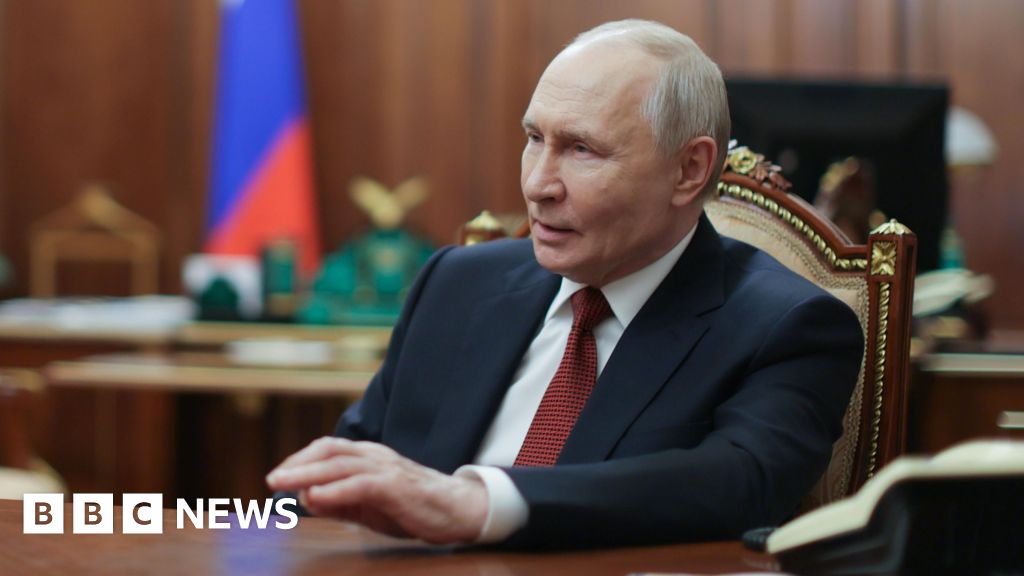
Putin publicly acknowledged fuel shortages and queues at petrol stations across Russia, with 56 regions reportedly enforcing fuel restrictions and Crimea left with only a few days' supply. The shortages stem from Ukrainian missile and drone strikes on refineries and energy infrastructure, prompting plans to boost air defenses and accelerate refinery repairs. The situation adds to wartime supply-chain pressure and raises geopolitical risk for energy and defense markets.
The key market implication is not the headline shortage itself, but the forced reallocation of scarce logistics capacity inside Russia. When civilian fuel is rationed, the state typically protects military and agricultural demand first, which creates an implicit tax on trucking, local transport, construction, and regional commerce; the pain propagates with a lag of weeks, not days, as inventory pipelines empty. That raises the probability of intermittent domestic inflation spikes in Russia even if headline energy exports remain intact.
For global markets, the more interesting second-order effect is on refined-product flows rather than crude. If Ukrainian strikes keep knocking out refining nodes faster than Russia can patch them, Russia may be pushed to export more unprocessed crude while importing higher-cost fuels or rerouting product from longer distances, tightening regional diesel/gasoline balances in Europe, the Black Sea, and parts of the Middle East. That matters most in distillates: trucking, shipping, and agriculture are the first-order transmission channels, so margins for transport-heavy sectors outside Russia can feel the pinch before Brent does.
The backdrop is also strategically important because it suggests the strike campaign is now biting on political optics, not just military logistics. If the Kremlin is publicly acknowledging shortages, the next catalyst is a step-up in air-defense deployment and refinery hardening, which could reduce strike effectiveness over 1-3 months; but that itself diverts capital, labor, and equipment away from the front. The overhang is asymmetric: Ukraine does not need to permanently destroy capacity, only keep utilization unstable enough to raise repair costs and force precautionary inventories.
Consensus may be underestimating how much this favors non-Russian refiners and fuel distributors with spare capacity, while overestimating the speed with which Russia can fully normalize output. The market is likely pricing a transient nuisance, but the real tradeable risk is a rolling product squeeze into winter if strikes persist and logistics remain constrained.
AI-powered research, real-time alerts, and portfolio analytics for institutional investors.
Request DemoOverall Sentiment
strongly negative
Sentiment Score
-0.55
