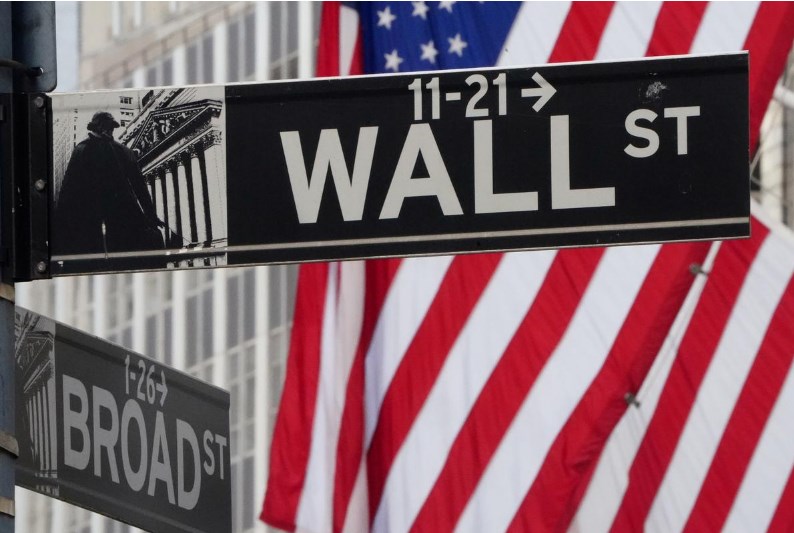
U.S.-Iran peace deal hopes drove a broad risk-on move, with S&P 500 futures up 1.2%, Nasdaq 100 futures up 2%, and Dow futures up 0.8% ahead of the open. Brent crude fell, gold rose, the U.S. dollar weakened, and Treasury yields declined as investors priced in lower inflation risk from reopened shipping lanes and reduced energy disruption. Markets are now focused on Wednesday’s Fed meeting, where rates are widely expected to stay unchanged.
The immediate market read-through is not just lower oil and a weaker dollar; it is a sharp repricing of the inflation distribution tail. If shipping lanes normalize quickly, the biggest beneficiaries are duration assets and crowded macro shorts in equities, while the most vulnerable trade is the “higher-for-longer” consensus embedded in rates and dollar positioning. The move also reduces the odds that energy becomes the marginal driver of near-term CPI prints, which matters more for Fed reaction functions than the absolute level of headline inflation.
Second-order, the biggest winner may be large-cap growth with long-duration cash flows, but the cleaner expression is in rate-sensitive proxies rather than mega-cap tech outright. Lower yields should support unprofitable growth, space, and high-beta software, yet the risk is that this becomes a one-day squeeze if the deal is delayed, watered down, or faces implementation hiccups. In that case, crude can reprice violently higher because the market has likely leaned too quickly into a clean de-escalation narrative.
For equities, the consensus may be underestimating how much of the rally is already a positioning event rather than a fundamentals event. The market is likely to front-run easier financial conditions before the Fed has actually validated that view, so the real trade is whether breakevens and 2s/10s continue to flatten as inflation fear evaporates. If the conflict stays muted for several weeks, the bigger beneficiary becomes cyclicals with energy input exposure; if not, this is a classic “buy the rumor, sell the headline” setup.
PL looks irrelevant on the data given, so this is not a name-specific event. The broader contrarian risk is that peace lowers crude too much too fast, which would tighten credit conditions for energy issuers and later create a reflexive rebound in commodity volatility. That makes options preferable to outright directional risk until the deal is signed and shipping disruption data confirm the new regime.
AI-powered research, real-time alerts, and portfolio analytics for institutional investors.
Request DemoOverall Sentiment
moderately positive
Sentiment Score
0.62
Ticker Sentiment
