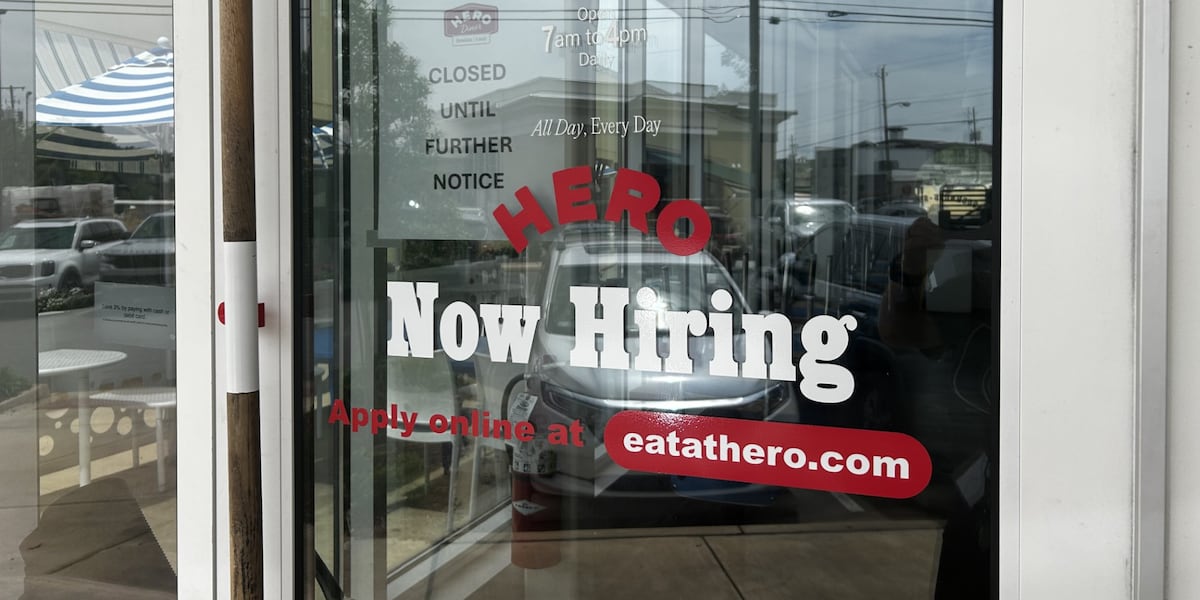
Robertson Banking is suing EMB Hospitality and Nick R. Pihakis over a $1,124,408 loan tied to Tasty Town, alleging a default and seeking $625,394.98 plus interest, attorneys' fees and court costs. The filing comes amid broader distress across Pihakis Restaurant Group, including the abrupt closure of Tasty Town and temporary closures of other Homewood restaurants such as Hero Homewood, Rodney Scott’s Homewood and Little Donkey Homewood. A separate supplier suit alleges nearly $394,239 owed for food, while public records show more than $12 million in unpaid rent liens.
This reads less like an isolated restaurant-credit story and more like an early-stage liquidity cascade. Once a lender moves from servicing to litigation, trade creditors usually get faster to paper, landlords get more aggressive on liens, and vendor terms tighten simultaneously—creating a self-reinforcing working-capital squeeze that can spread to otherwise healthy units in the same operating group. The key second-order effect is that closures don’t just reduce revenue; they also destroy collateral value and make any remaining real estate, receivables, and brand equity less financeable, which raises the odds of a broader restructuring over the next 30-90 days.
The immediate beneficiaries are likely competing local chains and private operators with available capacity, but the bigger winner is the capital structure outside the business: secured lenders, landlords with perfected claims, and vendors with tighter credit controls. For restaurants, the operational risk is not demand in the abstract but access to inventory, payroll liquidity, and lease continuity; when one brand in a group stops paying, suppliers tend to rationalize exposure across the portfolio, which can force more closures even at locations with decent unit economics. That makes this a classic “small default, large footprint” situation where a single loan dispute can impair many leases and produce a disproportionate reduction in neighborhood traffic for adjacent tenants.
From a market perspective, the cleanest setup is in distressed-credit and litigation risk rather than consumer discretionary beta. If the group cannot stabilize within weeks, expect a mix of renegotiated rents, asset sales, and likely an out-of-court workout before a formal filing; if that fails, recoveries for unsecured trade creditors could fall into the low-teens to mid-30s range depending on leasehold and brand transferability. The contrarian view is that the market may overestimate permanent demand destruction: if the locations are simply being rationalized, stronger operators can backfill sales quickly, and local competitors may see a near-term traffic tailwind without a long-lived industry demand hit.
AI-powered research, real-time alerts, and portfolio analytics for institutional investors.
Request DemoOverall Sentiment
strongly negative
Sentiment Score
-0.72
