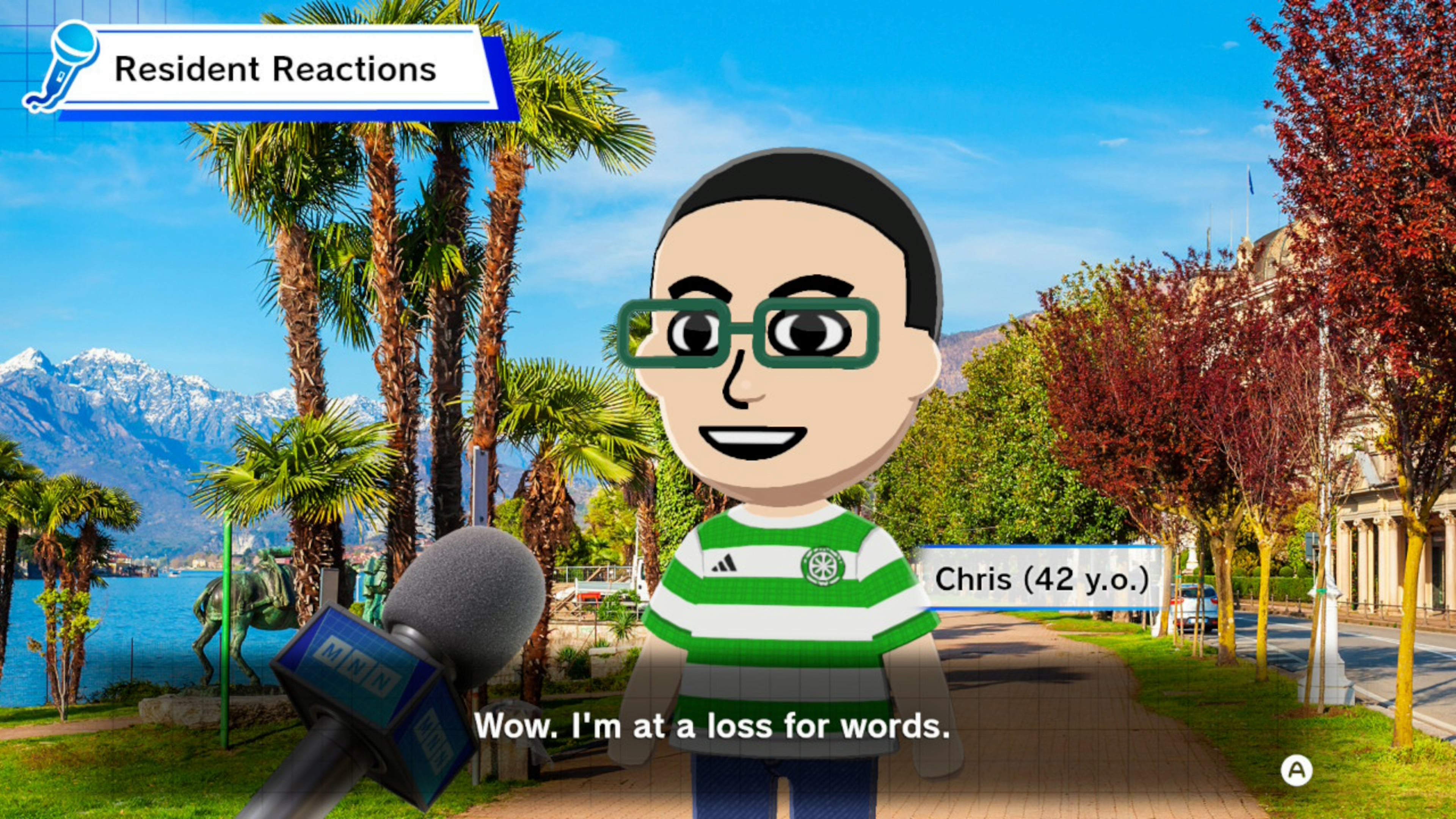
Tomodachi Life: Living the Dream sold 565,405 physical copies in Japan in its first four days, more than 15x the 36,470 units sold by the second-place Pragmata PS5 version. Switch 2 hardware also remained dominant at 44,280 units sold last week, bringing lifetime Japan sales to 5.1 million. The article signals a strong launch for Nintendo’s latest life sim and continued healthy demand for Switch 2 software and hardware, though the broader market impact is likely limited.
This looks less like a one-off game launch and more like proof that Nintendo’s first-party cadence still has outsized elasticity in Japan. The key second-order effect is that a blockbuster family title on Switch 2 can meaningfully extend the console’s “must-own” window, which supports both hardware sell-through and attach-rate expectations into the next several quarters. That matters because the install base is now large enough for software hits to compound, but still early enough that each tentpole can shift platform momentum.
The competitive read-through is bearish for Sony’s Japan software mix. A weak showing from a major PS5 release versus a Nintendo family title reinforces the long-standing asymmetry: Japan’s mainstream consumer market still rewards localizable, character-driven, communal gameplay over high-fidelity core action. If that pattern persists, third parties may continue prioritizing Switch-family SKUs first in Japan, leaving PS5 with lower attach growth and more dependence on a narrow set of genres.
The contrarian point is that the launch spike is probably the easy part; the real test is retention. Life sims and novelty-driven family titles often front-load sales, then decay quickly once the initial social contagion passes. If engagement falls off after the first holiday/weekend cluster, the market may be overestimating the durability of incremental hardware demand and underestimating the extent to which this is a seasonal impulse buy rather than a new baseline for the platform.
For investable implications, the better setup is not chasing the game launch itself but looking for confirmation in hardware and first-party guidance over the next 1-2 earnings cycles. The upside case is that this becomes a template for recurring Switch 2 software blowouts, which would support a higher multiple on Nintendo; the downside case is that sales normalize sharply and the stock gives back launch-driven enthusiasm once the charts roll over.
AI-powered research, real-time alerts, and portfolio analytics for institutional investors.
Request TrialOverall Sentiment
moderately positive
Sentiment Score
0.60
