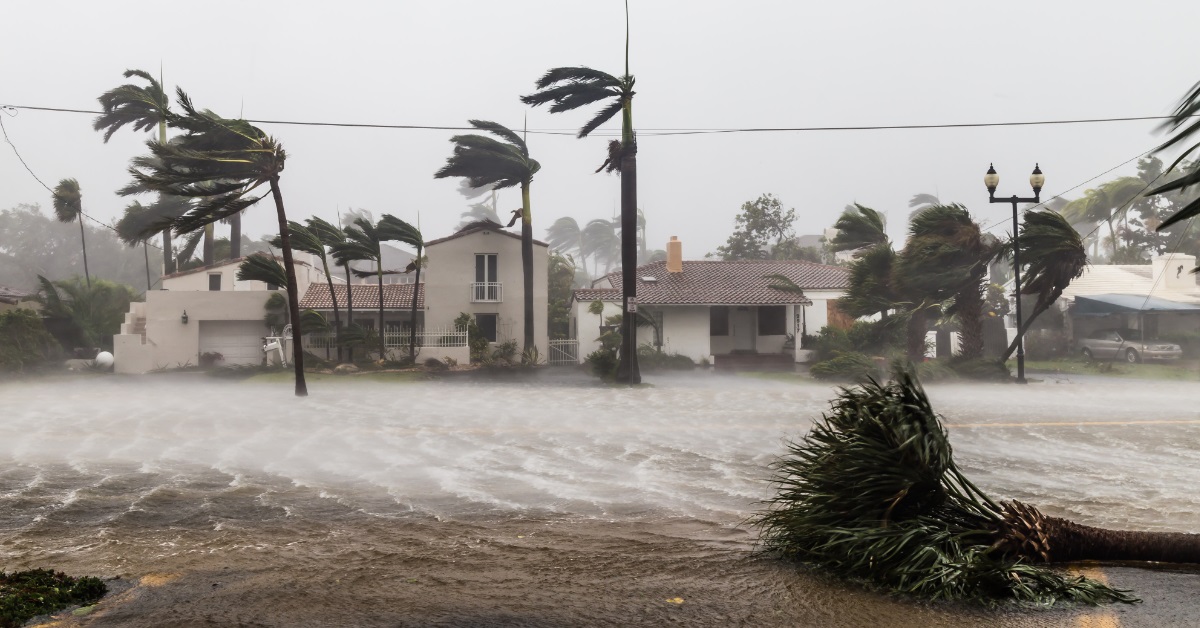
Florida ranks 49th for affordability and statewide median home price is cited around $410k, while some residents report homeowners insurance rising 2x–3x and other premiums doubling. Rapid population growth and tourist influx are straining infrastructure and services, and rising heat plus increased hurricane activity elevate climate and insurance risks. These factors weigh on cost of living and real estate affordability for retirees, implying localized pressure on housing demand, insurance markets, and municipal services rather than broad market-moving consequences.
Migration + climate is bifurcating the Florida economy into high-margin resilience trades and stressed local balance sheets. Rising frequency of weather shocks and insurance repricing is shifting discretionary retiree dollars from leisure to home hardening (generators, shutters, HVAC), creating a multi-year replacement/retrofit cycle concentrated in consumer durables and home-services. This is not a one-off: even modest annual increases in AC replacement rates or pest-control contracts compound into mid-single-digit revenue tails for market leaders over a 2–3 year window.
Municipal and insurance-sector stress is a second-order lever for asset allocators. Local tax bases become more volatile when high-value homeowners exit after catastrophic events, forcing either tax hikes or cuts to services — both increase default/credit sensitivity of Florida muni credits and push demand into alternative risk channels (reinsurers, ILS). Reinsurers and specialty insurers that can rapidly reprice are positioned to capture a multi-year margin reset, but they remain exposed to fat-tail events that can wipe short-term gains.
Tourism and retail are resilient but noisier: continued visitor growth props leisure operators and regional retail but also drives congestion externalities that raise operating costs (logistics, wages, parking capex). The net is dispersion: winners are scale players with pricing power and recurring revenue (national pest-control, major home-improvement retail, HVAC OEMs); losers are highly concentrated regional insurers, smaller builders, and lightly capitalized muni issuers. Timing matters — seasonality and catastrophe risk compress windows for execution (near-term summer and hurricane season vs. multi-year repricing cycles).
AI-powered research, real-time alerts, and portfolio analytics for institutional investors.
Request DemoOverall Sentiment
mildly negative
Sentiment Score
-0.35
