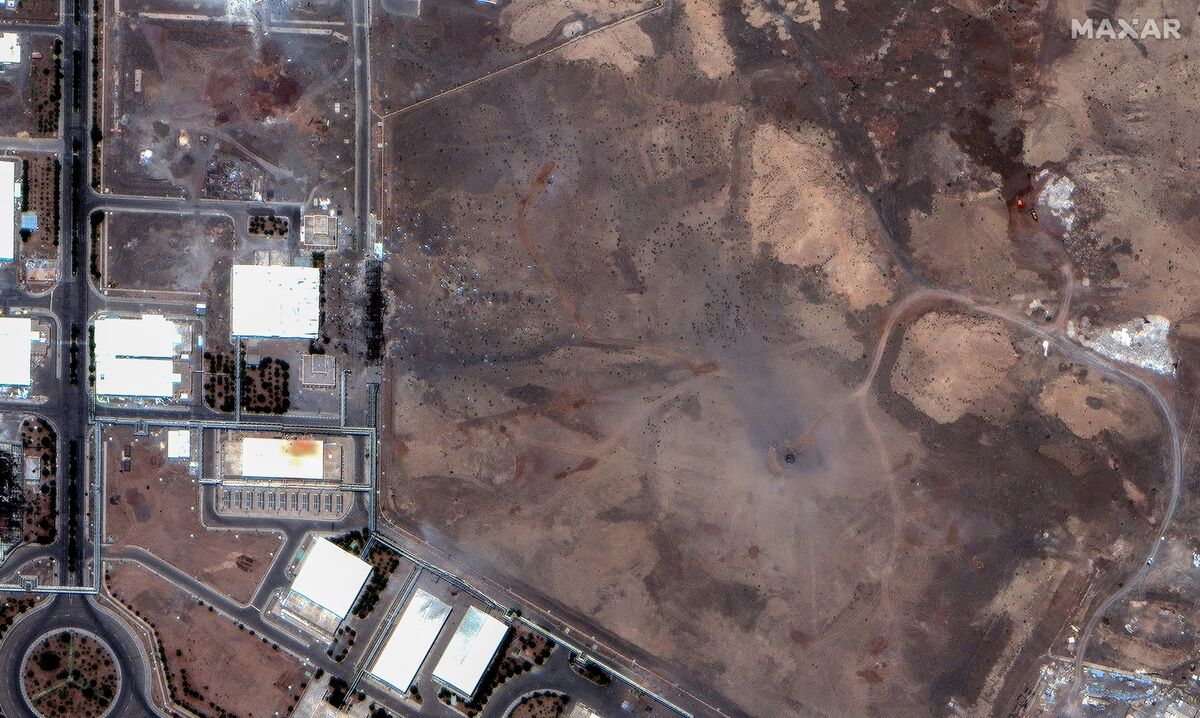
Iran has reportedly ceased communication and cooperation with the International Atomic Energy Agency (IAEA), halting inspections and contact from the UN watchdog's Incident and Emergency Centre, which had been active since June 13. This follows recent attacks by Israel and the US. The move significantly obscures the status of Iran's nuclear program, employing a tactic of strategic ambiguity reminiscent of Cold War nuclear brinkmanship, thereby increasing geopolitical uncertainty regarding its nuclear ambitions.
Iran has significantly escalated geopolitical tensions by ceasing all communication and cooperation with the International Atomic Energy Agency (IAEA), a direct response to recent attacks by Israel and the US. This halt in dialogue, which follows a period of continuous contact initiated by the IAEA's Incident and Emergency Centre on June 13, effectively creates an intelligence blackout on the country's nuclear program. By adopting a posture of 'strategic ambiguity' reminiscent of Cold War tactics, Iran is intentionally obscuring its nuclear capabilities and intentions. This action carries a high market impact score of 0.65 and a strongly negative sentiment, reflecting the substantial increase in uncertainty and the risk of miscalculation by global powers, which could lead to heightened volatility, particularly in energy markets.
AI-powered research, real-time alerts, and portfolio analytics for institutional investors.
Request DemoOverall Sentiment
strongly negative
Sentiment Score
-0.65
