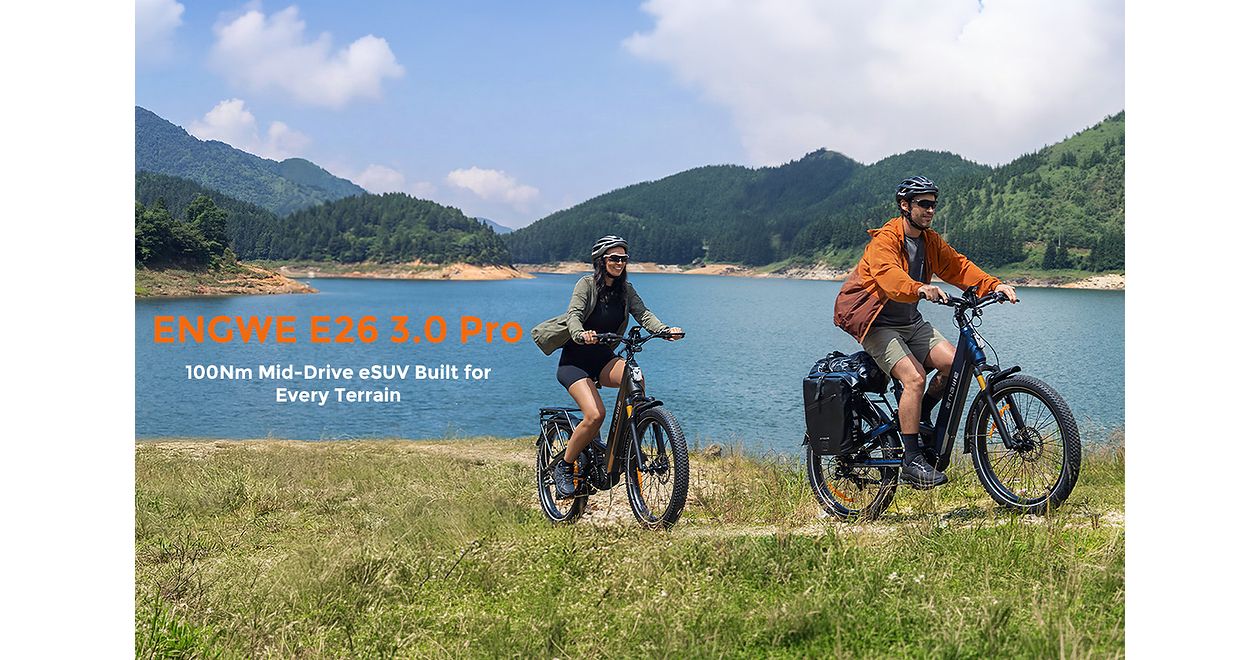
ENGWE annonce le lancement de l’eSUV E26 3.0 Pro le 29 juillet, mettant en avant un moteur central de 100 Nm et une suspension intégrale (cadre à quatre barres) avec fonctions de conduite intelligentes (suivi GPS, détection de mouvement, connectivité via application). Le communiqué positionne le modèle comme un compromis entre usage urbain et performances hors route, alimentant la demande croissante d’eSUV en Europe. Aucune information financière (prix, disponibilité, résultats) n’a été fournie à ce stade.
This reads more like a mix-shift signal than a standalone demand shock. If the eSUV category gains traction, the economic value moves upstream into mid-drives, suspension, battery management, and connected-security features, while commodity frame builders and low-end assemblers face faster commoditization. That is a better setup for premium component suppliers and brands that can monetize software/service than for pure hardware sellers.
Near term, there is no obvious public-market catalyst until pricing, third-party reviews, and early sell-through data show whether this is truly premiumization or just a feature refresh. The main short-horizon risk is regulatory: Chinese-origin e-mobility products in Europe remain exposed to safety scrutiny, customs/tariff friction, and battery compliance issues, any of which could hit demand and gross margins within 1-2 quarters. Over 6-18 months, the bigger debate is whether eSUV expands the category or simply redistributes share from existing e-bike formats.
The contrarian view is that the market may be overestimating incremental TAM. 'One bike for everything' can just mean fewer bikes per household, so unit growth may be muted even if ASPs rise. If that substitution effect is right, the winners are the few brands with real pricing power and ecosystem attach; everyone else gets a shinier product but less incremental profit.
AI-powered research, real-time alerts, and portfolio analytics for institutional investors.
Overall Sentiment
mildly positive
Sentiment Score
0.12
