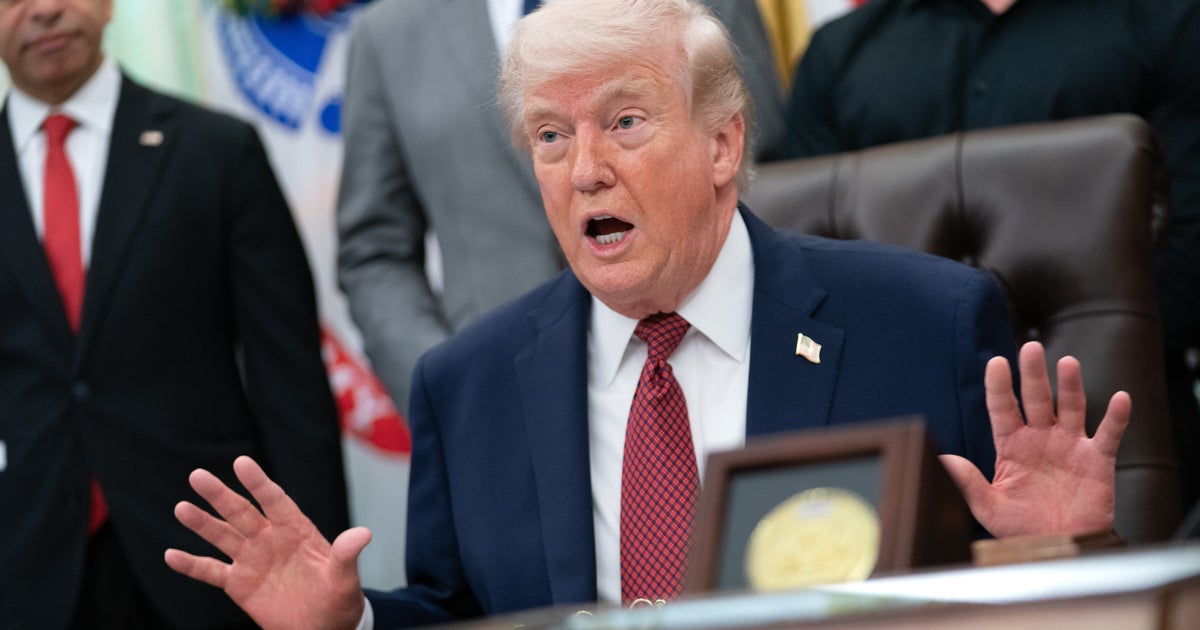
Donald Trump drew sharp criticism after claiming the U.S. “would have won” the Vietnam War quickly under his presidency, with backlash amplified by his past draft deferments and bone spur exemption. The remarks came as scrutiny intensified over his war on Iran, now in its eighth week, adding to political volatility but offering limited direct market impact. Sen. Mark Kelly and other commentators framed the comments as evidence of poor judgment and a lack of a clear plan to end the Iran conflict.
The market is not pricing the rhetoric itself; it is pricing the probability distribution of policy volatility. The key second-order effect is that every escalation in domestic war messaging raises the odds of either a larger-than-expected defense posture or, more likely, a disorderly de-escalation later when political costs bite. That asymmetric path tends to favor defense primes and select ISR/cyber names in the near term, while punishing businesses exposed to shipping, aviation, and broad consumer confidence if the conflict premium widens.
The bigger signal is institutional fatigue: public combativeness plus open-ended objectives increase the probability of a credibility gap with Congress, allies, and commanders. That gap typically compresses decision cycles and increases headline risk around procurement, munitions replenishment, and industrial base bottlenecks; the beneficiaries are firms with already-booked backlog and inventory, not those dependent on new awards. If rhetoric hardens into operational restraint, the winners can quickly flip to diplomatic risk hedges and lower-beta domestic assets as market participants unwind the war premium.
The contrarian setup is that the most obvious trade — buying defense on geopolitics — may already be partially crowded. The underappreciated risk is that a noisy but inconsistent policy process can delay funding visibility for smaller defense suppliers and contractors with less pricing power, even as the largest platforms stay protected. That makes relative value inside defense more interesting than a sector-wide chase, especially over the next 1-3 months.
Catalyst-wise, watch for shifts in appropriations language, strike authorization headlines, and any sign of broader consultation with allies; those are the triggers that convert rhetoric into budget and procurement changes. If the narrative softens or attention moves to another domestic issue, the war-premium trade can unwind quickly, because there is no direct earnings link to sustain multiple expansion absent fresh orders or higher utilization.
AI-powered research, real-time alerts, and portfolio analytics for institutional investors.
Request TrialOverall Sentiment
mildly negative
Sentiment Score
-0.25
