

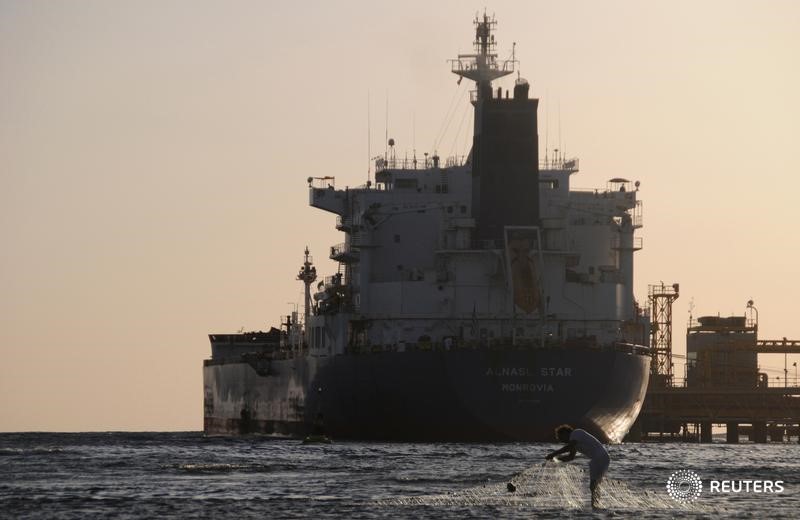
A US-sanctioned tanker linked to China, the Rich Starry, reversed course after transiting the Strait of Hormuz, highlighting ongoing enforcement pressure on Iran’s oil shipments. The vessel had been blacklisted by Washington in 2023 for helping Tehran evade energy sanctions, and its route has been closely watched amid signal jamming and spoofing concerns. The story is primarily geopolitical and sanctions-related, with limited direct market impact beyond energy shipping and tanker-tracking sentiment.
The market is likely underpricing the signaling value rather than the vessel itself: a sanctioned tanker reversing course after testing the chokepoint suggests enforcement is becoming operationally credible, which can raise the implied cost of moving crude out of the region even without a physical disruption. That matters most for freight, insurance, and inventory financing before it matters for outright barrel supply, so the first-order winner is not necessarily oil producers but any asset tied to higher realized transport friction.
For energy markets, the bigger second-order effect is volatility term structure. If traders believe more transits will be challenged or spoofed, prompt prices can stay bid while longer-dated contracts lag, flattening the backwardation curve and favoring firms with storage, blending, and trading optionality over pure upstream beta. That setup also pressures refiners and global shippers with limited ability to pass through sudden war-risk surcharges, especially over the next 1-4 weeks.
AMZN is only a secondary beneficiary from the broader article context, but the takeover premium may be viewed as a strategic signal: large-cap tech/infra balance sheets are still willing to buy scarce network assets when valuation compresses. The interesting read-through is to other satellite and secure-connectivity names, where geopolitical fragility around maritime tracking increases the value of resilient positioning, GPS-denied navigation, and sovereign data infrastructure. GSAT’s move may be less about direct economics and more about optionality on a world where trusted space-based communications become a defense-like asset class.
The contrarian view is that markets may overreact to a single turnaround event if the blockade remains more theater than sustained interdiction. If Hormuz traffic normalizes over the next few sessions, volatility will collapse faster than spot crude, and crowded geopolitical longs could unwind sharply. The risk-reward is asymmetric for tactical traders: short-duration options are better than cash equity exposure because the catalyst horizon is days, while the fundamental rerating for logistics/security infrastructure is months to years.
AI-powered research, real-time alerts, and portfolio analytics for institutional investors.
Request TrialOverall Sentiment
neutral
Sentiment Score
-0.10
Ticker Sentiment
