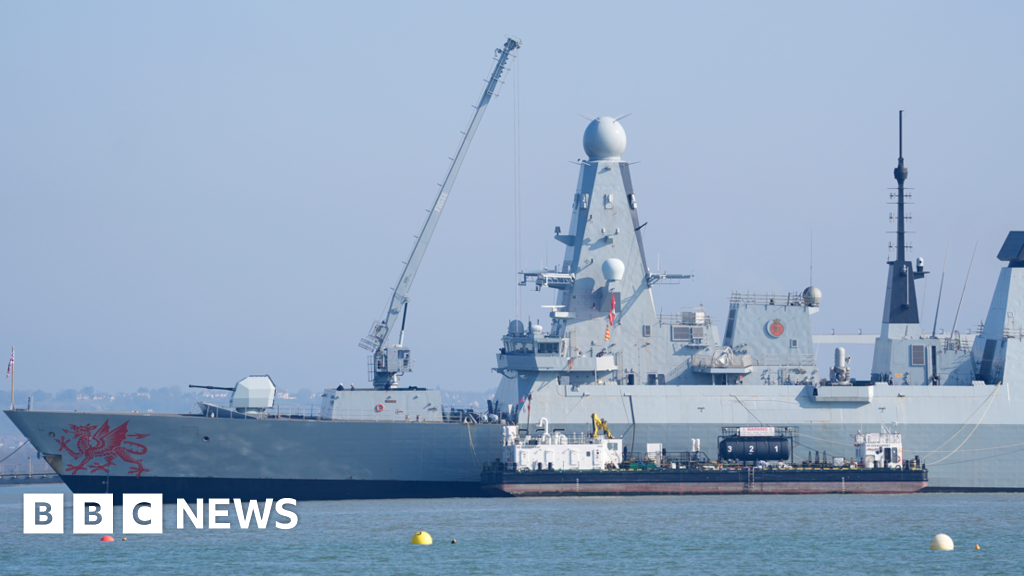
The UK is sending HMS Dragon, a Type 45 destroyer, to the Middle East to pre-position for a possible multinational defensive mission in the Strait of Hormuz. The article highlights continued tension around a waterway carrying about 20% of global oil and LNG flows, with recent accusations of attacks and no lasting US-Iran settlement. The move is framed as prudent planning, but the security backdrop keeps risk to shipping and energy markets elevated.
The near-term market impact is less about immediate barrels lost and more about the repricing of delivery reliability. A visible naval escalation in Hormuz typically widens the forward risk premium first in LNG and refined-product freight, then in crude, because buyers hedge transport risk before they fully reprice supply loss. That sequence tends to favor operators with contracted acreage and low shipping exposure while pressuring import-dependent refiners and airlines before the headline oil move fully shows up.
The second-order winner is defense readiness spending across European navies, missile defense, maritime surveillance, and secure communications rather than pure shipbuilders. A “pre-positioned” posture signals that governments are willing to fund persistent presence, spares, maintenance, munitions, and ISR capacity, which translates into multi-quarter procurement tailwind for diversified defense primes with naval and electronics exposure. Conversely, any logistics names with Middle East route concentration face higher insurance and rerouting costs even if cargo volumes hold.
The key risk is that markets may underprice the duration of friction: even without a full closure, intermittent harassment can keep tanker rates elevated for months and create episodic gas/Oil spikes. The contrarian view is that the headline may be more tactical than structural; if the mission is framed as purely defensive, authorities may avoid actions that directly impair flow, capping the upside in crude while still leaving freight, insurance, and defense budgets permanently higher. That makes the better trade not a blunt long oil bet, but a relative-value expression on volatility and transport frictions.
For investors, the most attractive setup is owning conflict-duration beneficiaries and fading outright directional energy beta if the strait remains technically open. The timing matters: immediate dislocation trades work over days to weeks, while procurement and security-spend winners compound over quarters. If diplomatic channels stabilize the corridor, freight and defense premiums can mean-revert quickly even as crude gives back only part of the move.
AI-powered research, real-time alerts, and portfolio analytics for institutional investors.
Request DemoOverall Sentiment
mildly negative
Sentiment Score
-0.15
