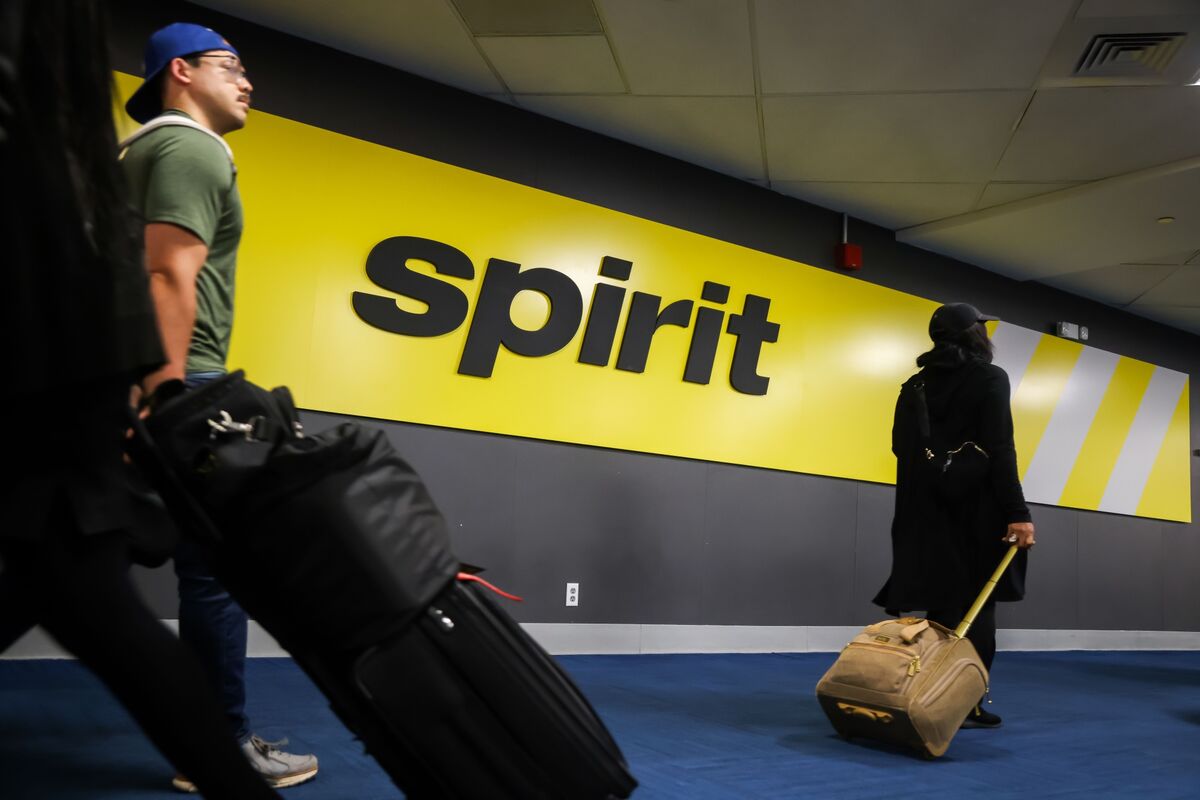
Spirit Airlines Inc. secured a $275 million revolving credit facility to avert a critical cash crunch that threatened its ability to process customer credit card payments, with at least $50 million allocated to satisfy its credit card processor. This financing addresses immediate liquidity concerns and prevents a potentially catastrophic operational disruption for the airline.
Spirit Airlines has secured a $275 million revolving credit facility in a defensive move to address acute liquidity pressure. The financing was critically necessary to avert an operational shutdown, as the company faced the imminent risk of being unable to process customer credit card payments. The stipulation that at least $50 million of the proceeds be set aside specifically for its credit card processing bank highlights the severe counterparty risk perceived by its financial partners and underscores the gravity of the cash crunch. The strongly negative market sentiment, reflected in a -0.8 score for the ticker, indicates that investors view this not as a strategic capital raise but as an emergency measure to stave off a potentially catastrophic disruption, pointing to deeply troubled company fundamentals.
AI-powered research, real-time alerts, and portfolio analytics for institutional investors.
Request DemoOverall Sentiment
strongly negative
Sentiment Score
-0.70
Ticker Sentiment
