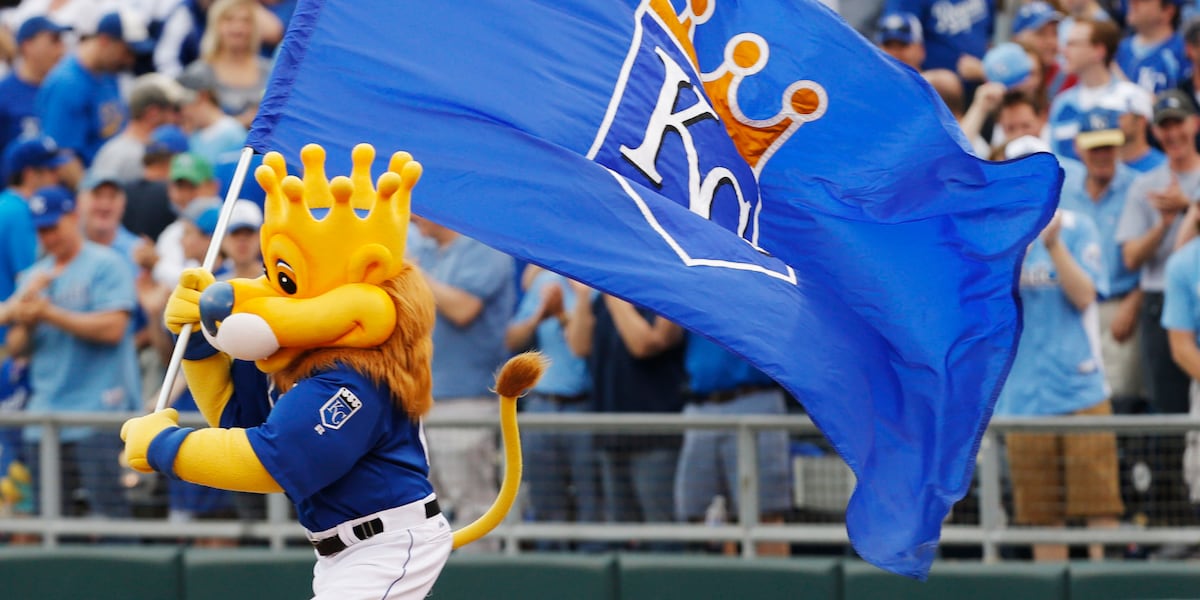
Kansas City plans to contribute up to $600 million toward a new $1.9 billion Royals stadium and surrounding district at Crown Center and Washington Square Park. The project follows the collapse of a county sales tax extension in April 2024 and comes as the team moves away from Kauffman Stadium after its lease expires. The announcement is primarily a civic and public-finance development, with limited direct market impact.
This is less a sports headline than a real-estate and public-finance monetization event. The location choice near an established mixed-use node shifts the project from a pure stadium subsidy debate to an urban redevelopment trade: the public sector is effectively underwriting land value uplift, transit adjacency, and adjacent hospitality spending. The second-order winner is the ecosystem of construction, engineering, parking, and district retail/food operators that can piggyback on a multi-year capex cycle, while the loser is any remaining leverage the county had to force concessions now that venue uncertainty is largely removed.
The key market implication is timing asymmetry. Equity upside for adjacent property owners and local contractors should begin well before opening day because entitlement, infrastructure, and site prep drive early cash flow, whereas the fiscal drag is immediate through debt service and opportunity cost. If state support is structured as a back-end reimbursement or tax diversion rather than direct cash, the project is also vulnerable to traffic assumptions and occupancy ramps; if those underdeliver, the political narrative can flip quickly and spark pressure to cap follow-on subsidies.
The contrarian angle is that stadium districts often disappoint as catalysts once the novelty wears off. The consensus will likely focus on "downtown revitalization," but the real economic transfer is from taxpayers and existing retail corridors into a narrowly defined submarket with limited incrementality. That means the broader metro impact may be more neutral than bullish, while specific parcels and infrastructure contractors capture most of the value.
From a time horizon perspective, the best risk-adjusted trade is in the pre-construction phase over the next 6-18 months, not at ribbon-cutting. Any delay in approvals, financing structure, or intergovernmental disputes could create volatility, but once the financing closes the trade shifts from event-driven to execution-driven and the upside compresses.
AI-powered research, real-time alerts, and portfolio analytics for institutional investors.
Request TrialOverall Sentiment
neutral
Sentiment Score
0.05
