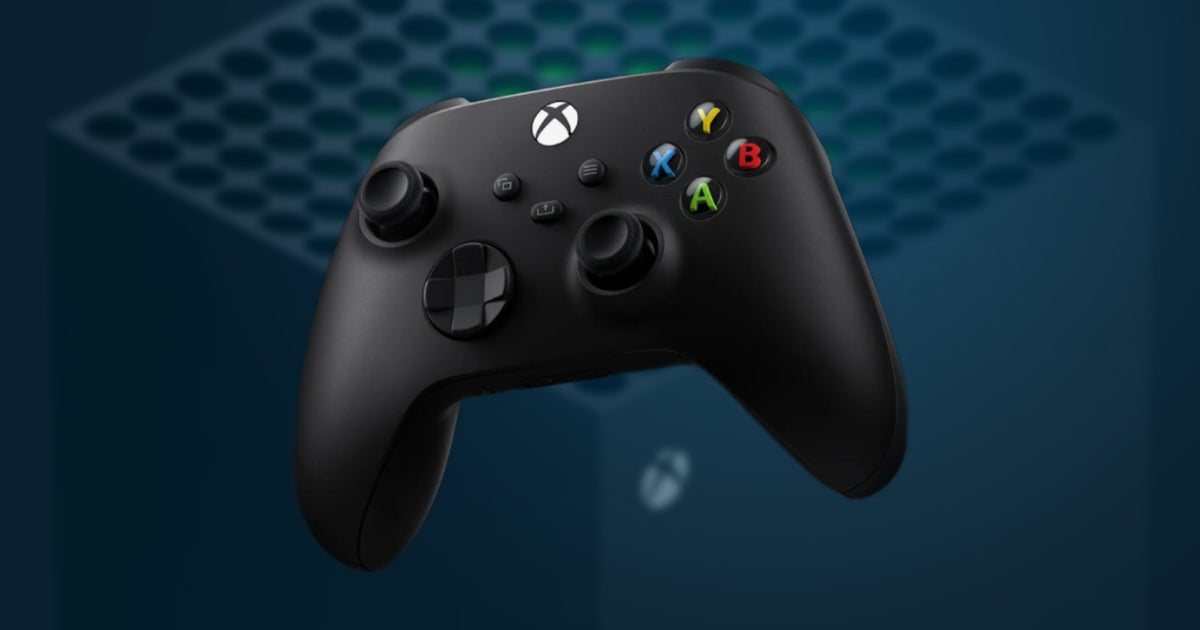
Two senior Xbox leaders—Lori Wright (corporate VP, partnerships/business development/marketing) and Haiyan Zhang (GM, gaming AI)—have left Microsoft after more than a decade; Zhang is joining Netflix's gaming team. These departures follow Xbox CEO Phil Spencer's retirement after nearly 40 years and the appointment of Asha Sharma, who announced Project Helix, a next‑gen console that will run PC and Xbox titles and "lead in performance." The moves raise governance and execution uncertainty within Xbox but are unlikely to materially affect Microsoft at the enterprise level given its size.
Recent senior departures at Xbox raise the probability of near-term execution noise around the console roadmap and first‑party release cadence — noise that markets can materially misprice because Xbox represents a mid-single-digit percent contribution to Microsoft’s consolidated revenue and is highly calendarized around hardware and marquee software launches. Misses or delays on the upcoming console cycle would show up as sequential revenue shortfalls and partner churn within 3–9 months, not years, and could compress Xbox segment margins as marketing and platform subsidies ratchet up to protect install base.
The move of senior technical leadership into streaming/media gaming squads (e.g., competitors building out cloud/interactive stacks) creates a measurable talent-competition effect: expect hiring velocity and senior comp for gaming-AI and platform engineers to accelerate in the high‑teens percent range over the next 12–24 months, increasing operating leverage pressure for incumbents and making M&A for studio/IP consolidation both likelier and more expensive. A PC-first console strategy amplifies this: cross‑platform tooling vendors and middleware (engines, cloud streaming tech) are second-order beneficiaries while traditional console supply-chain OEMs face lower marginal upside.
Key catalysts to watch are: (1) the next public product milestone/demonstration (0–6 months) that can re-anchor execution credibility, (2) sequential Xbox quarterly guidance and first‑party release schedule (3–9 months) that will expose any delivery slippage, and (3) additional senior exits or high‑profile hires that would meaningfully change talent flow assumptions (within 1–6 months). Tail risks include a larger culture shock under new leadership causing a 12–18 month slowdown in exclusive content, or a decisive competitor move (e.g., Valve/Steam or a cloud gaming partnership) that accelerates platform share shifts — either could provoke >5% downside in Xbox-attributable revenues over a year.
AI-powered research, real-time alerts, and portfolio analytics for institutional investors.
Request DemoOverall Sentiment
neutral
Sentiment Score
0.00
Ticker Sentiment
