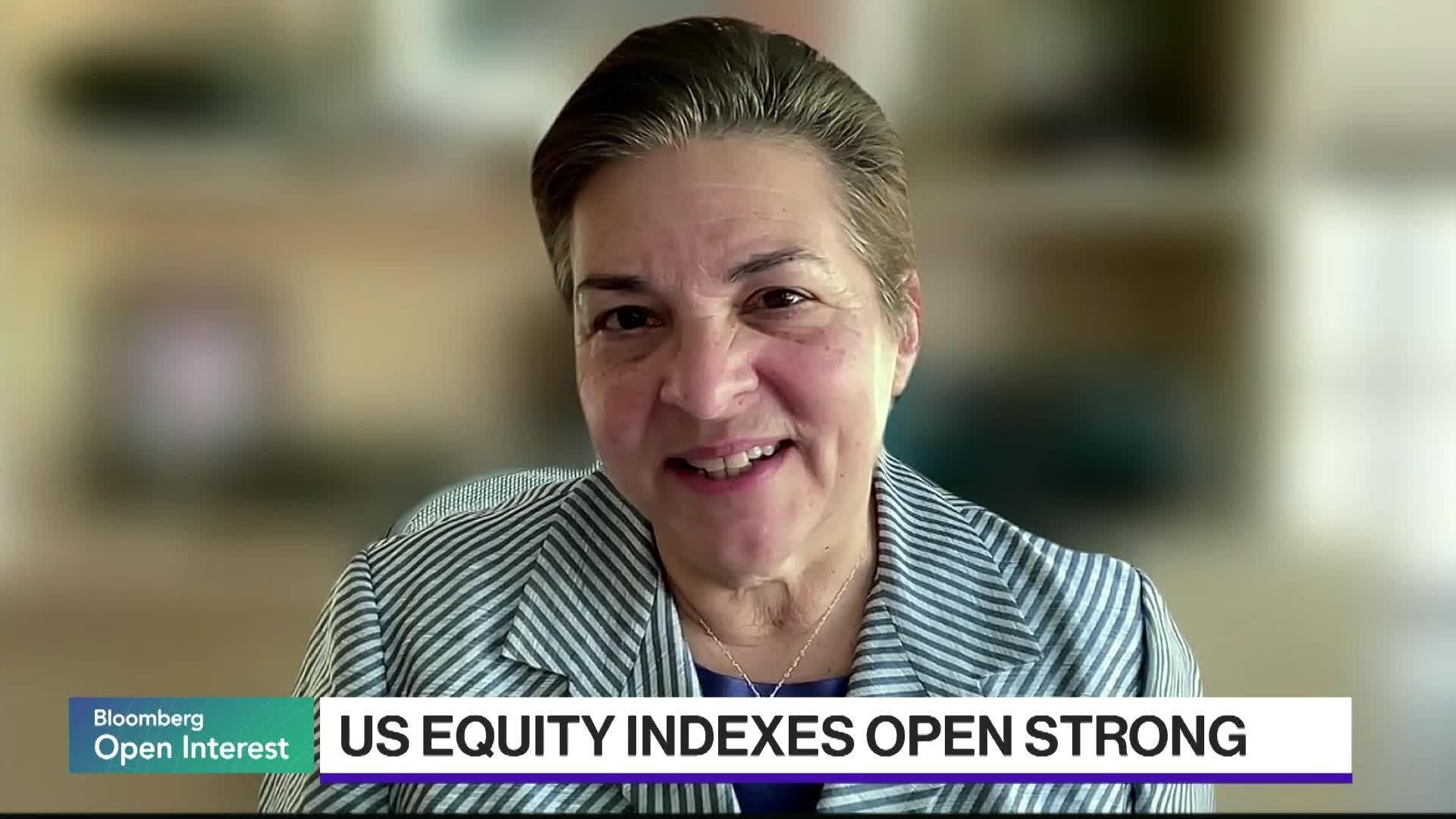
Morgan Stanley's Chief Investment Officer of Wealth Management, Lisa Shalett, advises investors to adopt a 'hold on loosely' strategy for stocks, signaling a need for caution and flexibility in the current equity market environment.
Lisa Shalett, the Chief Investment Officer of Wealth Management at Morgan Stanley, has adopted a cautious outlook on equities, advising clients to 'hold on loosely.' This specific phrasing suggests a market environment characterized by uncertainty, where neither a strong bullish conviction nor an outright defensive pivot is warranted. The guidance implies that while investors should remain invested, they must also maintain a high degree of flexibility and be prepared to adjust their positions. The associated 'mixed' sentiment score of -0.1 and 'cautious' tone reinforce this non-committal stance, indicating that potential risks and rewards are viewed as being finely balanced. This perspective, categorized under themes of investor sentiment and market technicals, points toward a tactical rather than a long-term strategic call, urging vigilance against potential shifts in market dynamics.
AI-powered research, real-time alerts, and portfolio analytics for institutional investors.
Request DemoOverall Sentiment
mixed
Sentiment Score
-0.10
Ticker Sentiment
