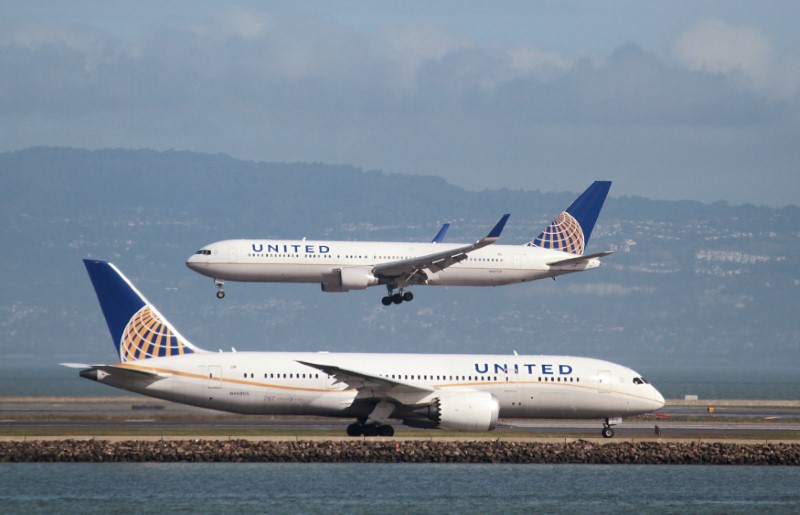
United Airlines CEO Scott Kirby reportedly floated a possible combination with American Airlines to senior government officials, according to Bloomberg, though no formal deal process was clear. A merger would create the largest U.S. carrier and likely face intense antitrust scrutiny given the consolidation implications for a domestic market dominated by four major airlines. American shares rose 4.5% after hours and United gained 1.1% on the report.
This is less about an immediate merger probability and more about the signal it sends to capital allocation across the airline complex: management is testing whether a size premium can overwhelm antitrust friction and labor complexity. The first-order winner is AAL because it has more optionality embedded in a strategic process, but the deeper beneficiary would be the entire sector if investors start pricing a higher probability of industry consolidation or capacity rationalization. That matters because domestic airlines are still trading like standalone cyclical assets; any credible path to reduced price competition can expand terminal margins by 100-200 bps over a multi-year horizon, which is far more important than the one-day gap move. The key second-order effect is on competitors, not just the two names involved. Delta and Southwest would likely see the market re-rate their relative strength if investors assume a more disciplined fare environment, while smaller network carriers could become targets or be forced into more aggressive capacity and loyalty-spend responses. Aircraft lessors, MRO providers, and airport-related service businesses could also benefit if a larger carrier pushes for fleet harmonization and network optimization, but that upside is slower and contingent on a long regulatory process. The main risk is that this becomes a headline-driven multiple event rather than a realizable transaction. Antitrust review, labor integration, route divestitures, and DOJ politics can keep this in limbo for 6-18 months, during which time AAL’s balance sheet and UAL’s execution may diverge enough to kill the logic. The contrarian read is that the market may be underpricing the chance that the best outcome is not a merger but a coordinated change in industry behavior; if so, the real trade is on pricing power and capacity discipline, not on deal spread capture.
AI-powered research, real-time alerts, and portfolio analytics for institutional investors.
Overall Sentiment
moderately positive
Sentiment Score
0.35
Ticker Sentiment
