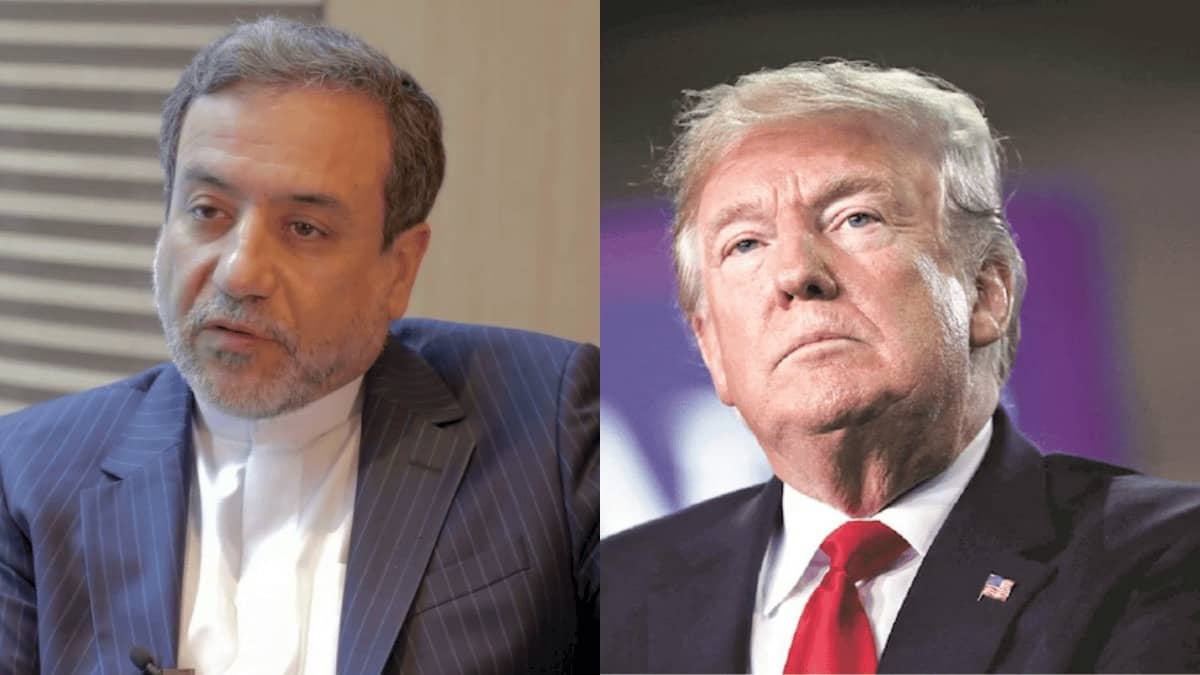
US President Donald Trump said the US and partner countries will send warships to keep the Strait of Hormuz open and threatened bombing shorelines and shooting Iranian vessels; Iran's FM Seyed Abbas Araghchi condemned the US 'security umbrella' as failing and urged neighbours to expel foreign 'aggressors'. This marked escalation in rhetoric raises near-term risk-off dynamics for energy and shipping markets and could increase oil price volatility and insurance/freight costs for shipments transiting Hormuz. Monitor crude price moves, tanker insurance spreads, and regional military posturing for portfolio hedging and sector exposure adjustments.
The immediate market transmission will be through shipping risk premia and insurance, not just crude fundamentals: a sustained perception of contested transit raises tanker and container voyage costs by 10-30% within weeks as owners demand premium rates or re-route via the Cape of Good Hope (adds ~10-14 days and ~$0.5–$2.0m per VLCC voyage). That mechanically tightens short-cycle oil and refined-product availability to Asia — expect Brent volatility to spike intra-day and for prompt spreads to widen 20–60¢/bbl on supply routing disruption, even if physical volumes stay intact over months.
Defense and naval logistics contractors should see order-lead opportunities (auxiliary vessels, munitions, ISR) with revenue visibility over 6–24 months, while commercial shipowners with large tanker fleets capture the most immediate cashflow upside; conversely, Asian refiners and trade-dependent exporters suffer margin compression from higher freight and insurance. Financial intermediaries — P&I clubs, specialist marine insurers, and short-term charter counterparties — face outsized tail risk: a single loss event could spike claims and pull capacity, forcing a hard repricing.
Tail risks are asymmetric: a rapid de-escalation (diplomatic corridor, negotiated freedom-of-navigation guarantees) could normalize spreads in 2–8 weeks, but a miscalculated kinetic episode would persistently reroute traffic and keep insurance elevated for 6–18 months. Watch three catalysts closely: (1) confirmed multinational naval deployments announced with timelines, (2) an attack on commercial tonnage or mines recovered in shipping lanes, and (3) formal insurance market statements restricting cover — any of which would compress reaction time to days and reprice asset values.
AI-powered research, real-time alerts, and portfolio analytics for institutional investors.
Request DemoOverall Sentiment
strongly negative
Sentiment Score
-0.60
