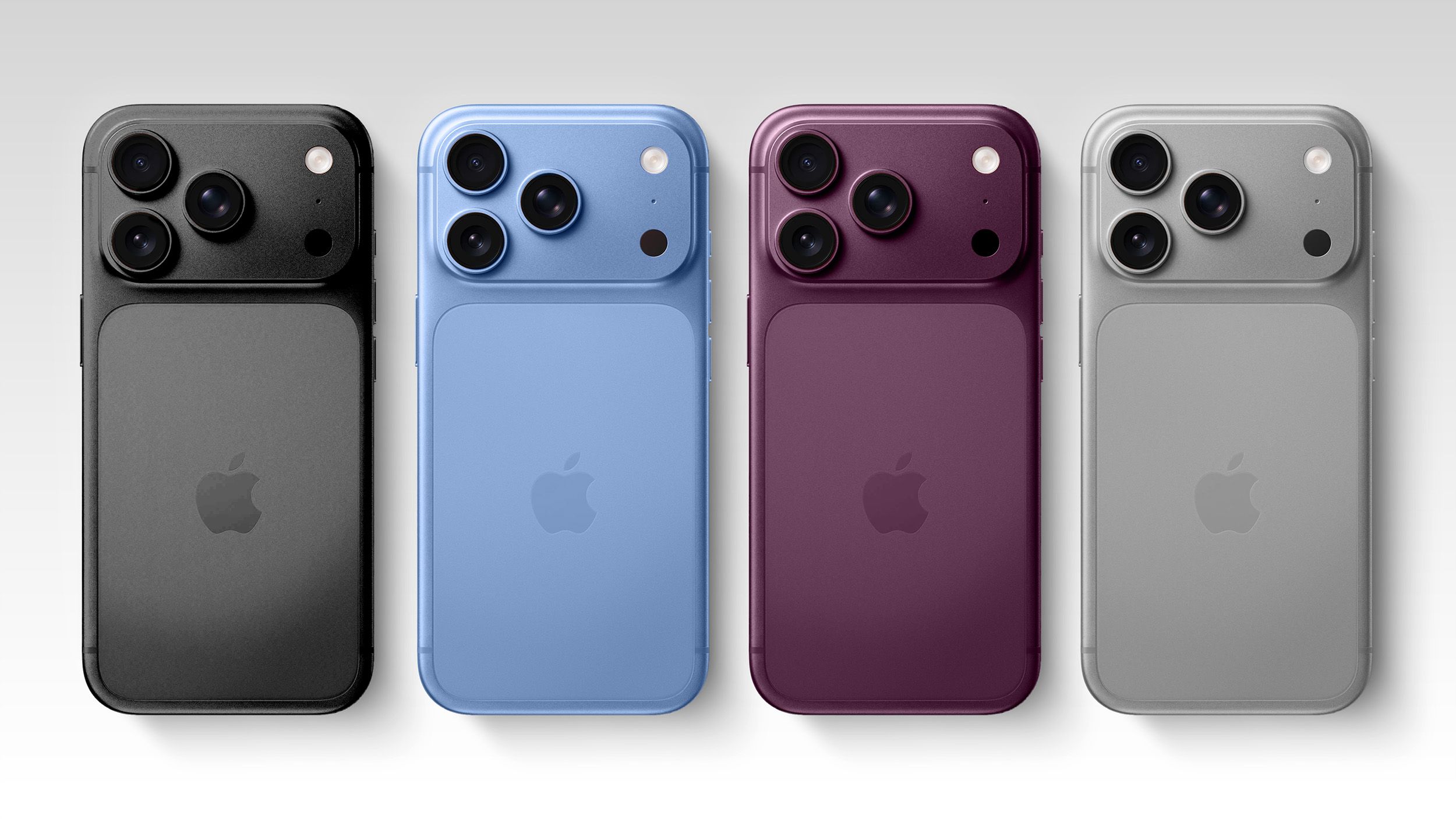
Apple's iPhone 18 Pro and Pro Max are expected in September with several rumored upgrades, including a smaller Dynamic Island, LTPO+ displays, a variable-aperture 48MP main camera, and the A20 Pro chip on TSMC's first-generation 2nm process. The article also points to a C2 modem with 5G via satellite, an N2 chip, simplified Camera Control, and a redesigned rear Ceramic Shield area, but all details remain rumor-based. The piece is largely a product preview and is unlikely to move shares materially on its own.
The near-term market read-through is less about a single handset feature and more about Apple extending its premiumization playbook while tightening vertical integration. A smaller interface cutout and incremental industrial design changes are not enough to move unit demand alone, but they do reinforce ASP resilience at the high end and keep upgrade intentions intact among the most profitable cohort. That matters because the base case for Apple is now more dependent on mix, services attach, and replacement-cycle durability than on explosive unit growth.
For suppliers, the more important implication is that Apple is continuing to shift critical functionality onto proprietary silicon and in-house RF/networking architecture. That is structurally favorable for TSM over a multi-quarter horizon if 2nm ramps on schedule, because Apple remains one of the few customers able to absorb leading-edge wafer cost inflation and help de-risk early-node utilization. The offset is execution: any packaging yield issues, modem integration problems, or thermal/power regressions would compress the launch window and push content gains into later cycles, which would be a headwind to near-term expectation setting for the entire iPhone supply chain.
The contrarian angle is that investors may be overestimating how much marginal hardware refinement can drive a replacement supercycle. The feature set reads like a set of small utility improvements rather than a step-change consumer upgrade, so the biggest upside is probably not iPhone unit volume but gross margin durability and ecosystem lock-in. If consumer spending softens over the next two quarters, the premium tier should hold up better than the mass market, but the market could still punish any signs of slower sell-through if launch enthusiasm fails to translate into channel inventory turns.
Catalyst timing matters: the next 1-3 months are mostly rumor-driven sentiment, while the real test is supply-chain commentary and preorder data into launch. The highest-risk outcome is that Apple’s attempt to compress design complexity while adding new silicon content creates a launch hiccup; the highest-reward outcome is a clean 2nm transition that supports margin expansion into FY27. Relative to expectations, the move looks modestly constructive for Apple and more directly positive for TSM than for the handset itself.
AI-powered research, real-time alerts, and portfolio analytics for institutional investors.
Request DemoOverall Sentiment
neutral
Sentiment Score
0.10
Ticker Sentiment
