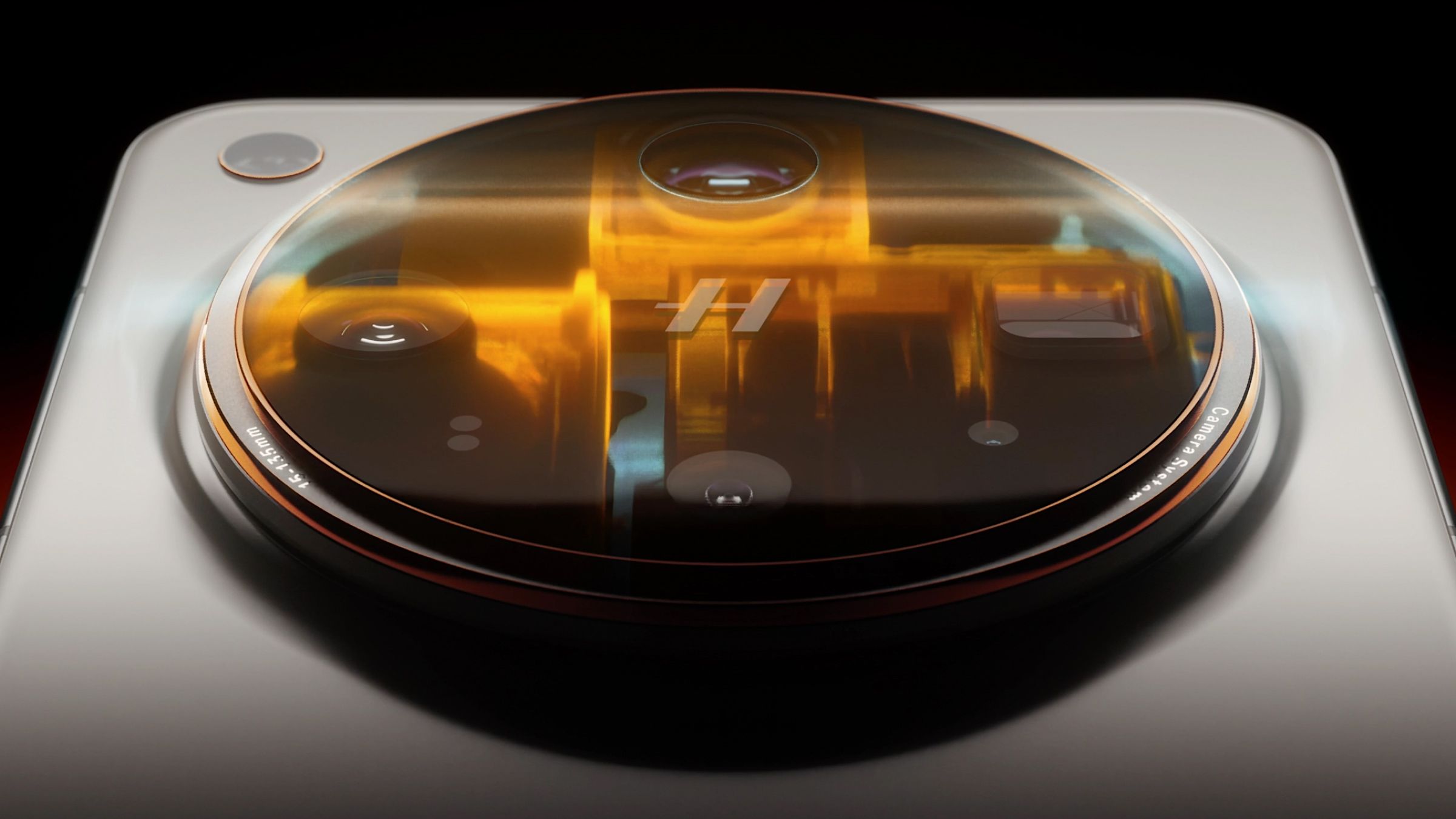
Oppo confirmed Find X9 Ultra camera specs ahead of its 21 April launch, including dual 200-megapixel cameras, a 10x optical zoom lens, and a 50-megapixel ultrawide and selfie camera. The flagship is positioned as a major upgrade over the Find X8 Ultra and will be Oppo's first Ultra phone to receive a global release. The article also expects a Snapdragon 8 Elite Gen 5, 7,000mAh battery, 6.8-inch display, and Android 16, but pricing remains undisclosed.
This is less a handset story than a signal that premium smartphone differentiation is shifting toward computational photography and battery/computation budgets, which tends to compress the upgrade cycle among high-end Android users. A globally available ultra-premium model with extreme camera specs raises the bar for flagship performance and forces rivals to spend more on sensors, optics, ISP tuning, and thermal management just to defend share. The near-term beneficiaries are the component vendors with leverage to optical modules, image sensors, and premium display supply chains; the risk is that higher bill-of-materials pressure gets absorbed by OEMs unless pricing power holds.
The second-order effect is competitive stress on Samsung and Xiaomi rather than Apple. Apple is insulated in the near term because its buyer base overindexes on ecosystem lock-in, but Android premium buyers are more spec-sensitive, so a credible camera lead can take share at the margin within 1-2 product cycles. If Oppo can launch globally without execution issues, the bigger implication is not one model’s units but a repricing of what a flagship must include, which should benefit suppliers tied to high-end camera stacks while punishing OEMs with weaker hardware software co-optimization.
The main catalyst is launch-to-review confirmation over the next 2-6 weeks: if independent tests validate the zoom and low-light advantage, expect a short-lived halo across premium Android names and select suppliers. The main tail risk is that megapixel optics sound better than they perform; if image processing, battery life, or heat control disappoints, the narrative reverses quickly and the market will dismiss the spec sheet as marketing inflation. Another risk is pricing: if the device comes in above the Xiaomi premium tier, unit demand could be more niche than the marketing suggests, limiting any supply-chain upside.
AI-powered research, real-time alerts, and portfolio analytics for institutional investors.
Request DemoOverall Sentiment
mildly positive
Sentiment Score
0.35
